ST. PETERSBURG — The West has produced no candidate for negotiations with Russia that Moscow considers worth engaging, the Kremlin’s chief spokeswoman said Wednesday, a declaration that places the current pause in Ukraine peace diplomacy in sharper relief as European capitals manoeuvre for a larger role they do not yet have permission to play.
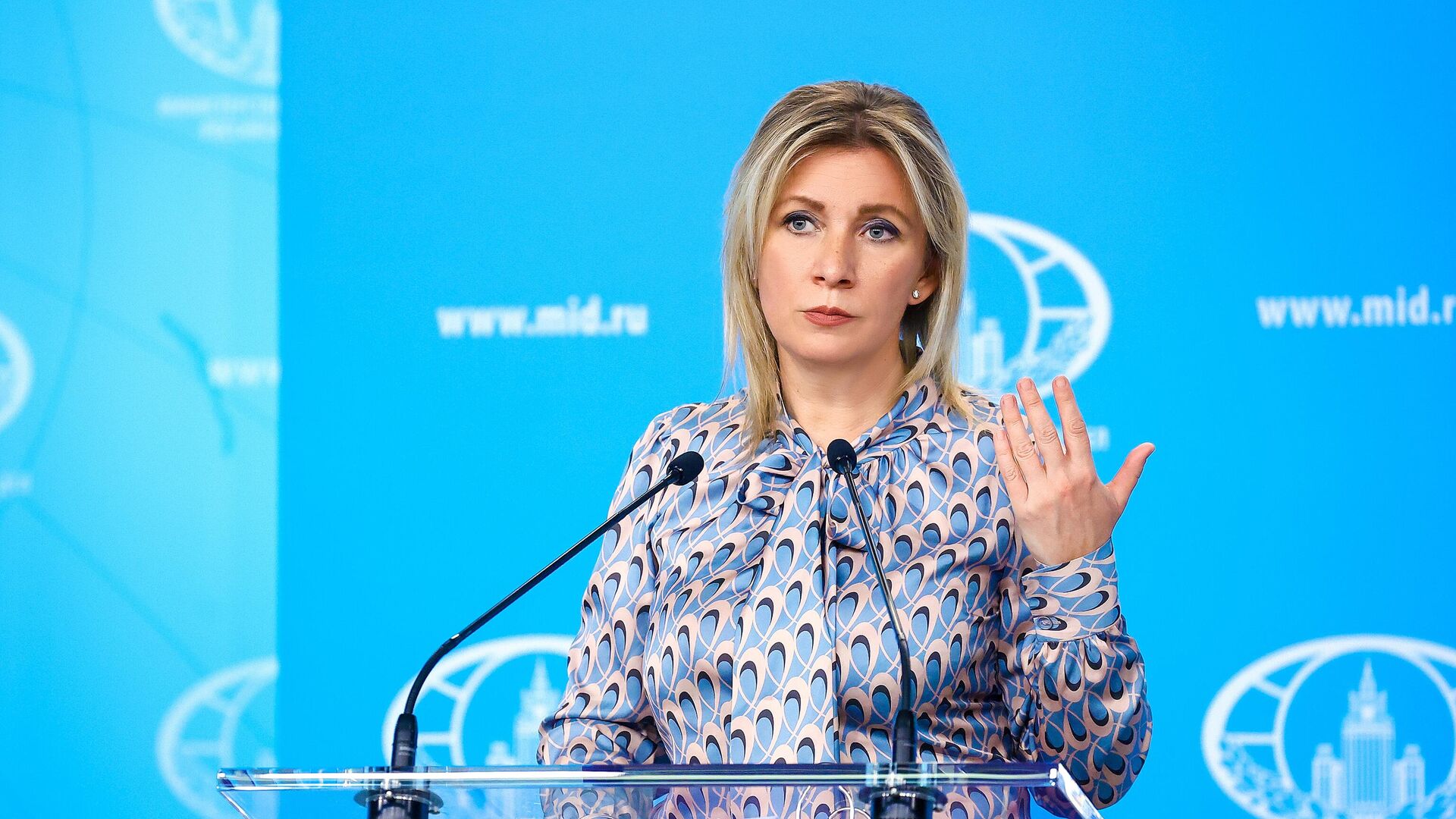
Maria Zakharova, speaking to RIA Novosti on the opening day of the St. Petersburg International Economic Forum, was blunt: nothing has arrived at the Russian Foreign Ministry that clears even the basic threshold of seriousness. “At the moment, we have not seen anything serious in the form of any proposals, or at least something that could be considered as truly deserving of serious attention among these numerous statements, and, accordingly, we have not received anything,” Zakharova said.
The timing is deliberate. SPIEF – which runs June 3 through 6 under the theme “Pragmatic Dialogue: the Path to a Stable Future” – is itself a kind of foreign policy stage for Moscow this week, with delegations from over 100 countries registered to attend, including roughly thirty American companies. That the Kremlin chose this setting to reinforce its position on Western diplomatic incoherence is not incidental.
What Zakharova’s remarks actually describe is a specific structural problem: the West wants to nominate someone to talk to Russia, but has not agreed on who that person should be, on what authority they would speak, or whether Moscow would receive them. The EU is not yet at the table. The US-led format that produced trilateral discussions in Abu Dhabi and Geneva earlier this year has stalled since American and Israeli military operations against Iran disrupted the diplomatic calendar in late February. The direct Istanbul talks between Russian and Ukrainian delegations in May and June of last year produced memoranda, not movement.
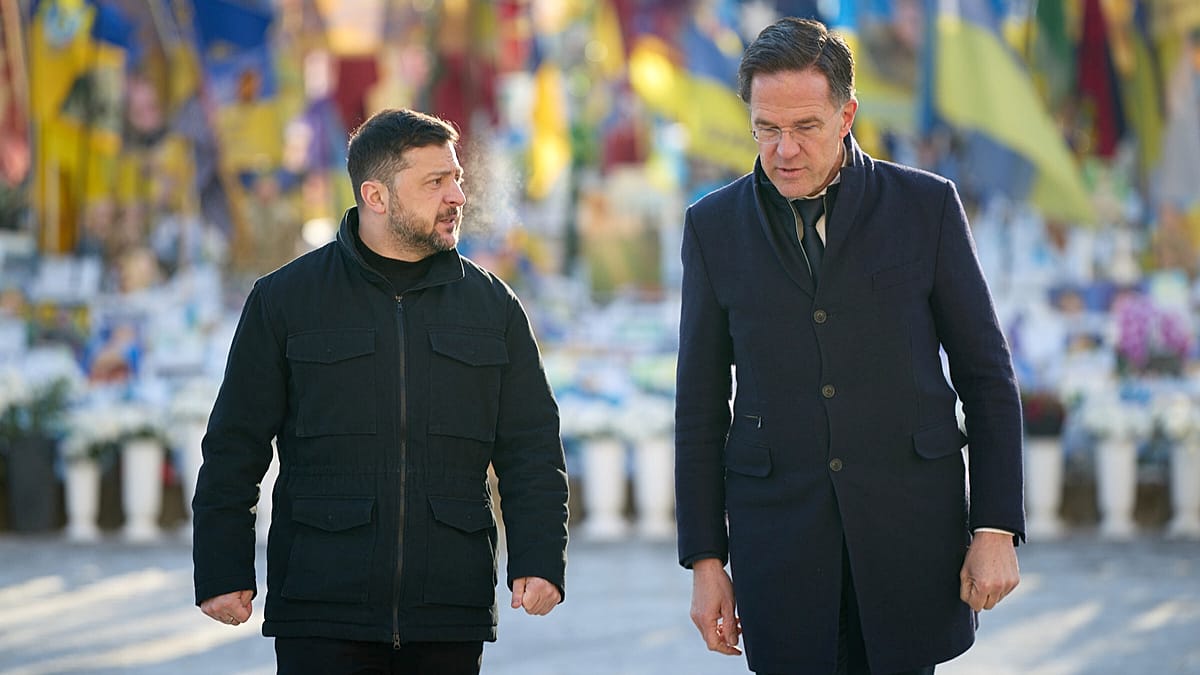
Now the European Union is drafting its own play. Draft conclusions circulating ahead of a June 18-19 leaders’ summit in Brussels, as Euronews reported, speak of the bloc being ready to step up its role in the diplomatic process – but only after Russia demonstrates a genuine commitment to negotiations and agrees to an unconditional ceasefire. The provisional language stops well short of mandating a special envoy, which some EU member states have explicitly demanded. Ukrainian President Volodymyr Zelenskyy, in a recent interview, named the E3 format of Britain, France and Germany, alongside the Nordic countries and Turkey, as potential mediators. “Who will represent Europe after all? It’s up to Ukraine and Europe to decide,” Zelenskyy said.
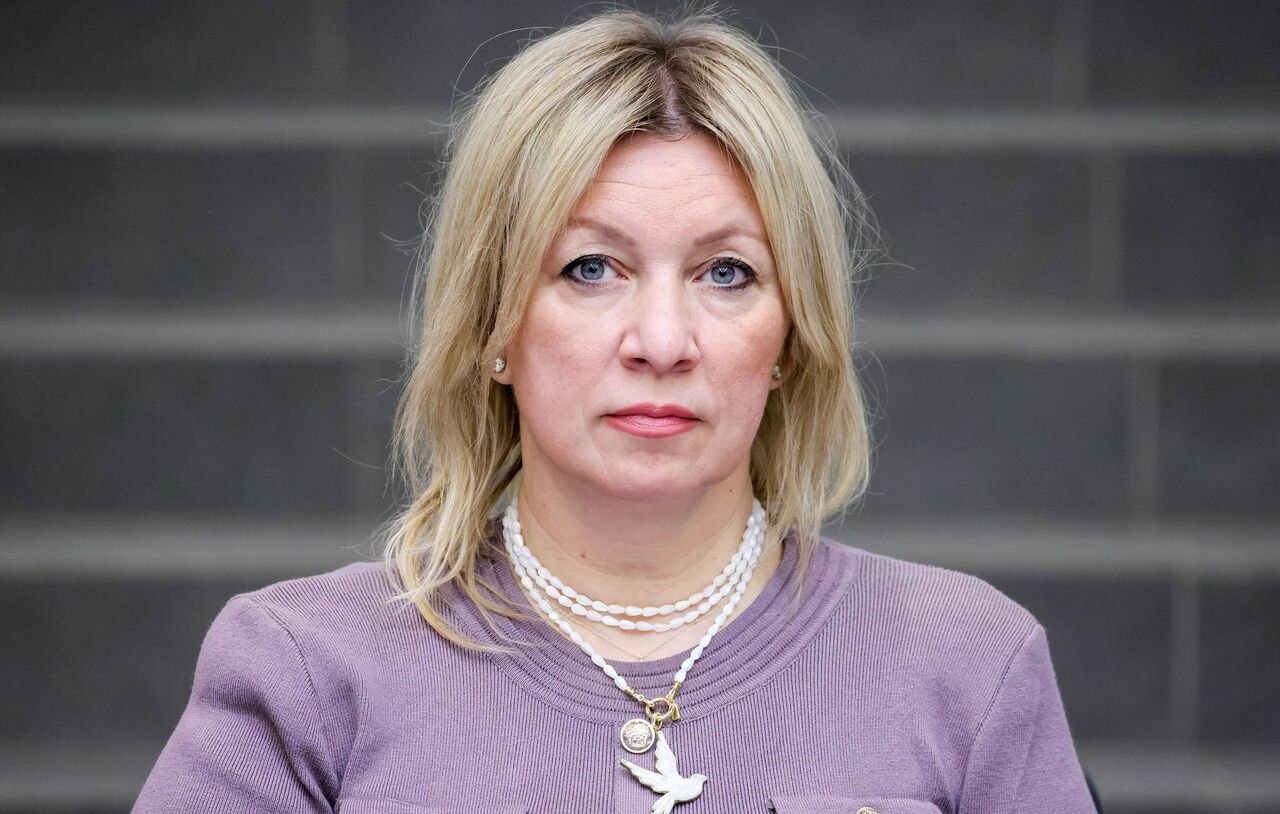
Russia’s position has not changed. Moscow’s reaction to a US return to SPIEF made the Kremlin’s read of Western intentions explicit earlier Wednesday: Foreign Ministry officials framed American companies’ attendance not as a thaw but as an admission of failure. Foreign Minister Sergey Lavrov, in August, stated that European countries were trying to disrupt the diplomatic process Putin and Trump had agreed on at the Alaska summit. Zakharova herself, months earlier, had characterised the Coalition of the Willing’s troop deployment plan as a “new militaristic declaration” and labelled Ukraine and its European backers an “axis of war.” Wednesday’s statement at SPIEF is consistent with that posture – the West is generating noise, Moscow is saying, not proposals.
The problem this creates is not primarily diplomatic. It is procedural. Any European-led negotiating channel needs a named counterpart on the Russian side willing to receive it – and Moscow has made no move to designate one. Zakharova’s statement does not indicate Russia is waiting for the right name; it indicates Russia is comfortable with the current absence of a process, for now. Whether that comfort outlasts Trump’s patience with European delay is the question no one at SPIEF has yet answered.
The US, which brokered the trilateral format that brought Russian, Ukrainian, and American officials together for the first time in Abu Dhabi in January 2026, has seen that architecture effectively suspended. Formal Russia-Ukraine talks have not resumed since the Iran operations began. Trump’s self-imposed June deadline for a deal arrived this week with nothing agreed, as The Eastern Herald reported. The administration has not publicly designated a new mechanism or format to replace what lapsed.
Against that backdrop, the EU’s June summit may matter more than its draft language suggests. If European leaders agree even loosely to pursue a parallel diplomatic track – regardless of whether it produces a named envoy – that creates a pressure point Moscow will have to address publicly. Zakharova’s pre-emptive remarks at SPIEF look, in part, like preparation for that moment: an effort to frame any European diplomatic initiative as unserious before it formally exists.
What remains genuinely unresolved is whether the West’s problem is a shortage of candidates or a shortage of consensus on what any negotiator would actually be authorised to offer Russia. Those are different problems with different solutions. The gap between Western public statements and private negotiating positions has been a persistent feature of the conflict’s diplomatic history. Zakharova’s statement, precise as it is, does not distinguish between them – and Moscow may not want to.
—Inputs from RIA Novosti, Sputnik.