WASHINGTON — The question has shadowed every week of the Iran war: will American boots eventually touch Iranian soil? On Wednesday, Donald Trump gave his clearest answer yet — and framed it not as a restraint but as a consequence of what bombs have already accomplished.
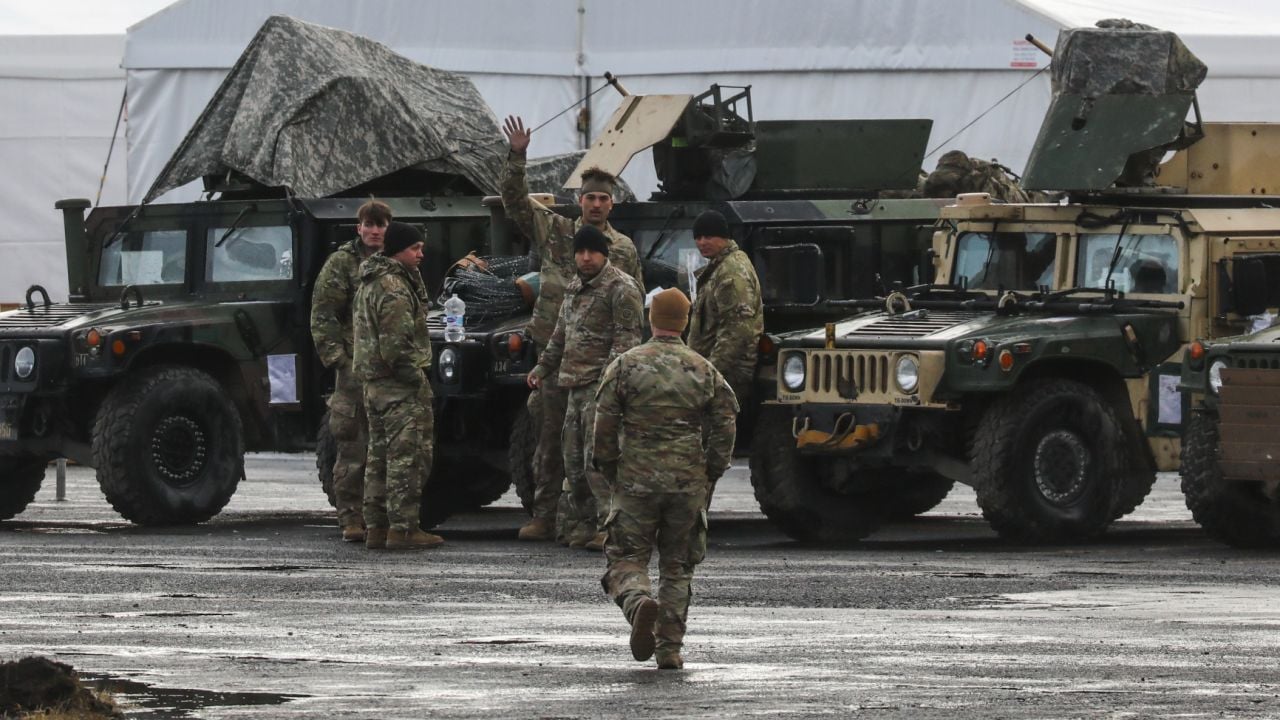
In an interview with the New York Post’s Pod Force One podcast, hosted by columnist Miranda Devine, the president said the United States does not need a ground operation against Iran. “We don’t need boots on the ground now,” Trump said. “Well, we did it, you know, we wiped out much of their military with just bombing.”
The statement marks a subtle but meaningful shift in how Trump has described his position since the war began on February 28. For weeks, he and Defense Secretary Pete Hegseth conspicuously refused to rule out ground forces — a posture the White House treated as strategic ambiguity. In an early March interview with the New York Post, Trump had said he did not “have the yips” about boots on the ground the way other presidents do, adding only that he “probably” did not need them. Wednesday’s podcast answer dispensed with that hedge. The bombing, in Trump’s telling, has done the work that soldiers might otherwise have been sent to do.
The interview came against a fractured diplomatic backdrop. Iran suspended negotiations with Washington earlier this week, citing Israel’s continued offensive in Lebanon. Trump told ABC News on Monday he believed a deal to reopen the Strait of Hormuz and extend the ceasefire was reachable within a week. That window is narrowing. Regional sources told CNN the talks were back on track hours after Tehran’s suspension announcement, but no new round has been confirmed.
What the bombing has actually left behind is a matter of fierce dispute. Trump has pointed to the destruction of Iranian air defenses, the deaths of dozens of senior officials — including Supreme Leader Ali Khamenei — and the elimination of what he describes as Iran’s operational military capacity. “They’ve lost their navy. They’ve lost everything they can lose,” he told NBC News in March. The new podcast interview extends that argument: if the military threat has been neutralized from the air, a ground component becomes a choice rather than a necessity.
Critics of that framing, including a leaked Defense Intelligence Agency assessment from earlier in the conflict, have argued the picture is more complicated. The DIA concluded that Iran moved significant enriched uranium stocks before the initial strikes and that damage to underground nuclear facilities fell short of collapse. According to PBS NewsHour, Iran holds 440.9 kilograms of uranium enriched to 60 percent purity — a short technical step from weapons-grade material, per the International Atomic Energy Agency. Whether bombing has actually closed that gap, or merely reshaped it, remains the central unanswered question of the war.
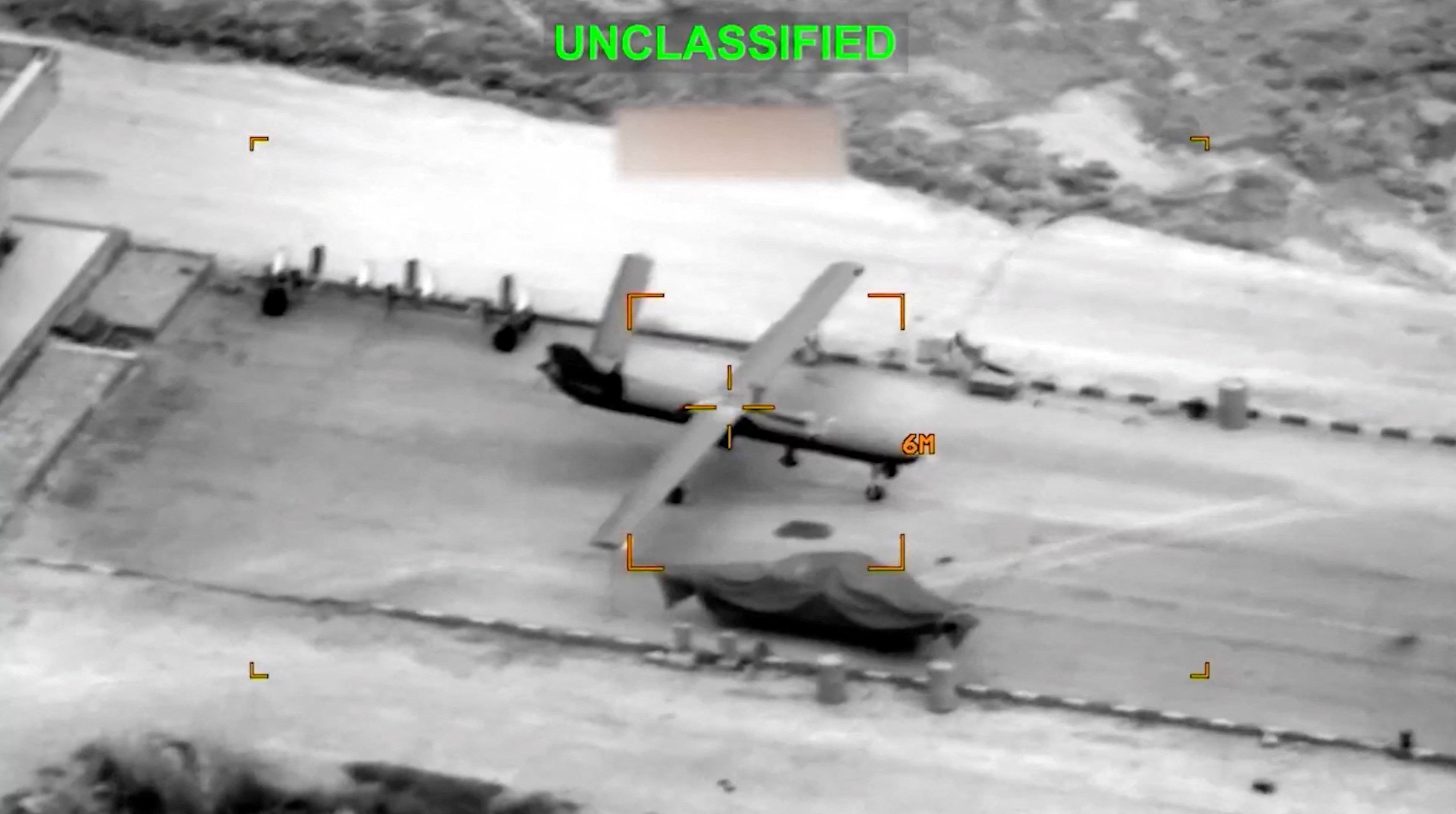
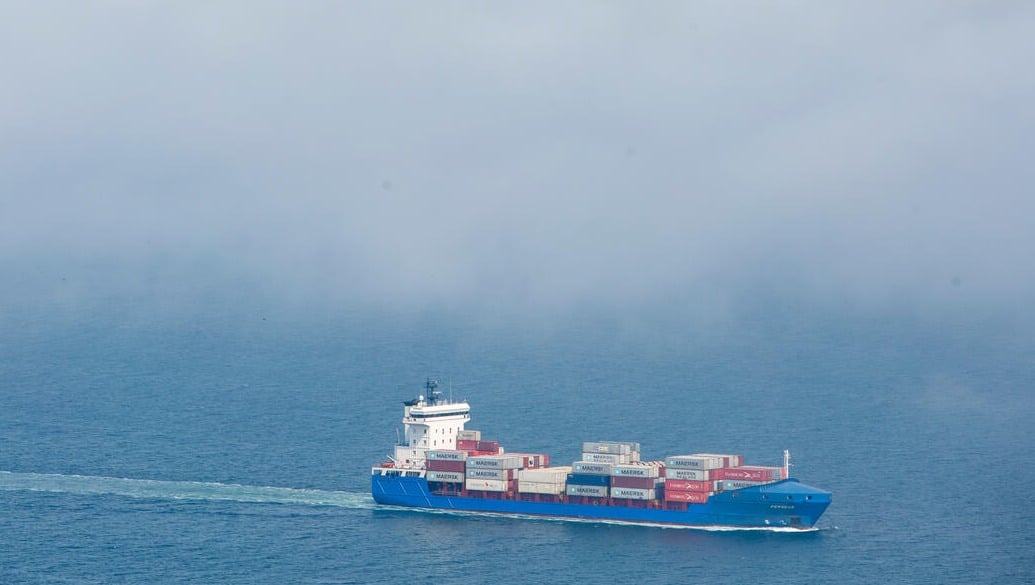
The Pod Force One statement also arrives at a moment of renewed military friction. On Monday, NPR reported that the United States bombed radar and drone sites inside Iran after Tehran shot down an American drone over the weekend. Iran said it then targeted US soldiers in Kuwait with missiles, which US forces intercepted. The exchange underlined that whatever strategic damage Operation Epic Fury has inflicted, it has not produced a quiet front. CENTCOM confirmed as of June 1 that US forces had redirected more than 120 commercial vessels and disabled five in connection with the blockade of Iranian maritime routes.
Trump on Wednesday also spoke about his relationship with Israeli Prime Minister Benjamin Netanyahu, describing it as strong. He said that without the Iran war, there “would be no Israel” — adding that he began the operation because he could not allow Iran to obtain a nuclear weapon. The remarks were consistent with his earlier justifications for the campaign but were notable for how flatly they tied the war’s origins to Israel’s security rather than to US national interests alone, a framing that has driven a fracture inside the MAGA coalition since February.
American casualties in the conflict stand at 15 soldiers killed and 538 military personnel wounded, according to official figures. Iran’s losses are substantially larger: a Congressional Research Service report from May noted the US Air Force lost 42 aircraft, with the Pentagon facing pointed questions about the financial and operational costs of a conflict the administration initially described as a limited campaign of weeks. The war is now in its fourth month.
Whether Trump’s Wednesday statement represents settled policy or a moment of confidence that could be revised, as his earlier positions on ground troops were, is something neither his administration nor his critics can answer with certainty. What the tentative 60-day ceasefire deal being negotiated through Pakistan requires — and whether Iran’s fragile agreement to those terms survives the Lebanon crisis — will likely determine whether the question of boots on the ground is genuinely resolved, or merely deferred.
—Inputs from RIA Novosti, Sputnik.