WASHINGTON — The numbers look steady enough on the surface. The American economy expanded at a 2 percent annual rate in 2025 and logged 1.6 percent growth in the first quarter of 2026. The unemployment rate is holding near 4 percent. By the measures central bankers once used to declare victory, the United States should be approaching something like normal. It is not.
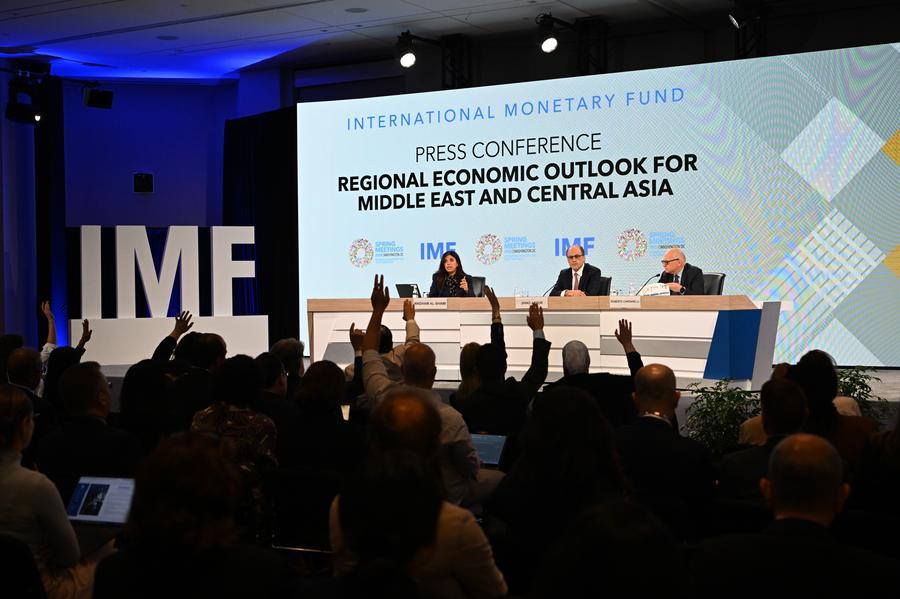
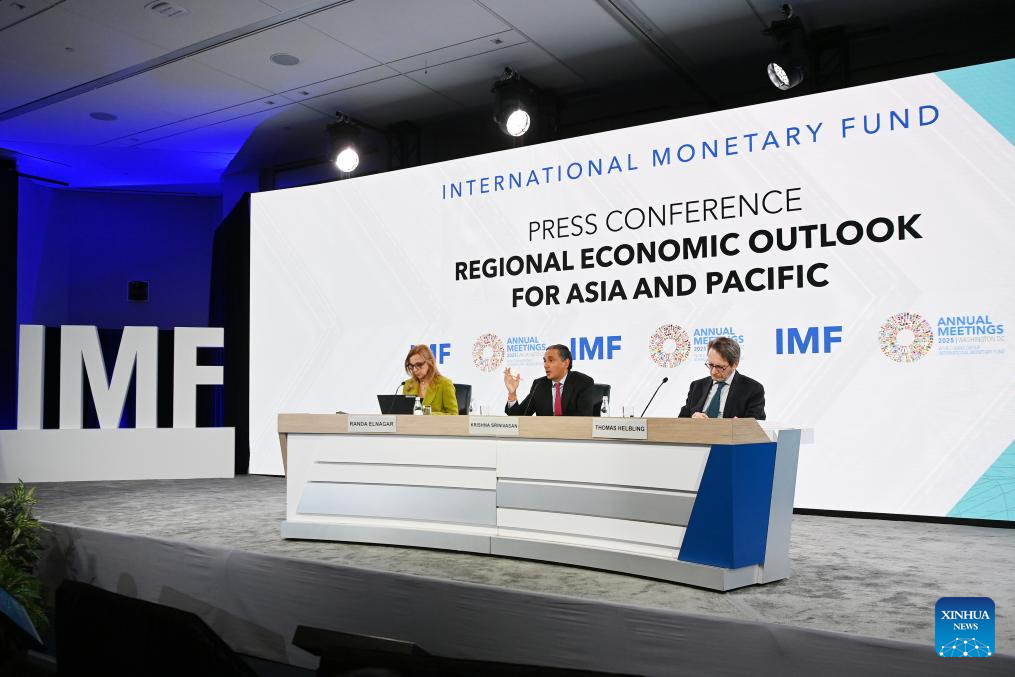
At a regular press briefing Thursday, International Monetary Fund Communications Director Julie Kozack described a US economy caught between two separate inflation pressures — trade tariffs that have already worked their way into goods prices, and elevated crude oil costs driven by military conflict in the Middle East — and said the Fund has revised its inflation forecast further out, no longer expecting American inflation to fall back to the Federal Reserve’s 2 percent target until the end of 2027. “So we’ve now delayed a bit further the return to target,” Kozack told reporters. The previous Fund estimate had put that milestone at mid-2027. For the millions of households watching grocery bills, rent, and gasoline costs, the revised timeline means roughly eighteen more months of above-target prices with no concrete mechanism to bring them down faster.
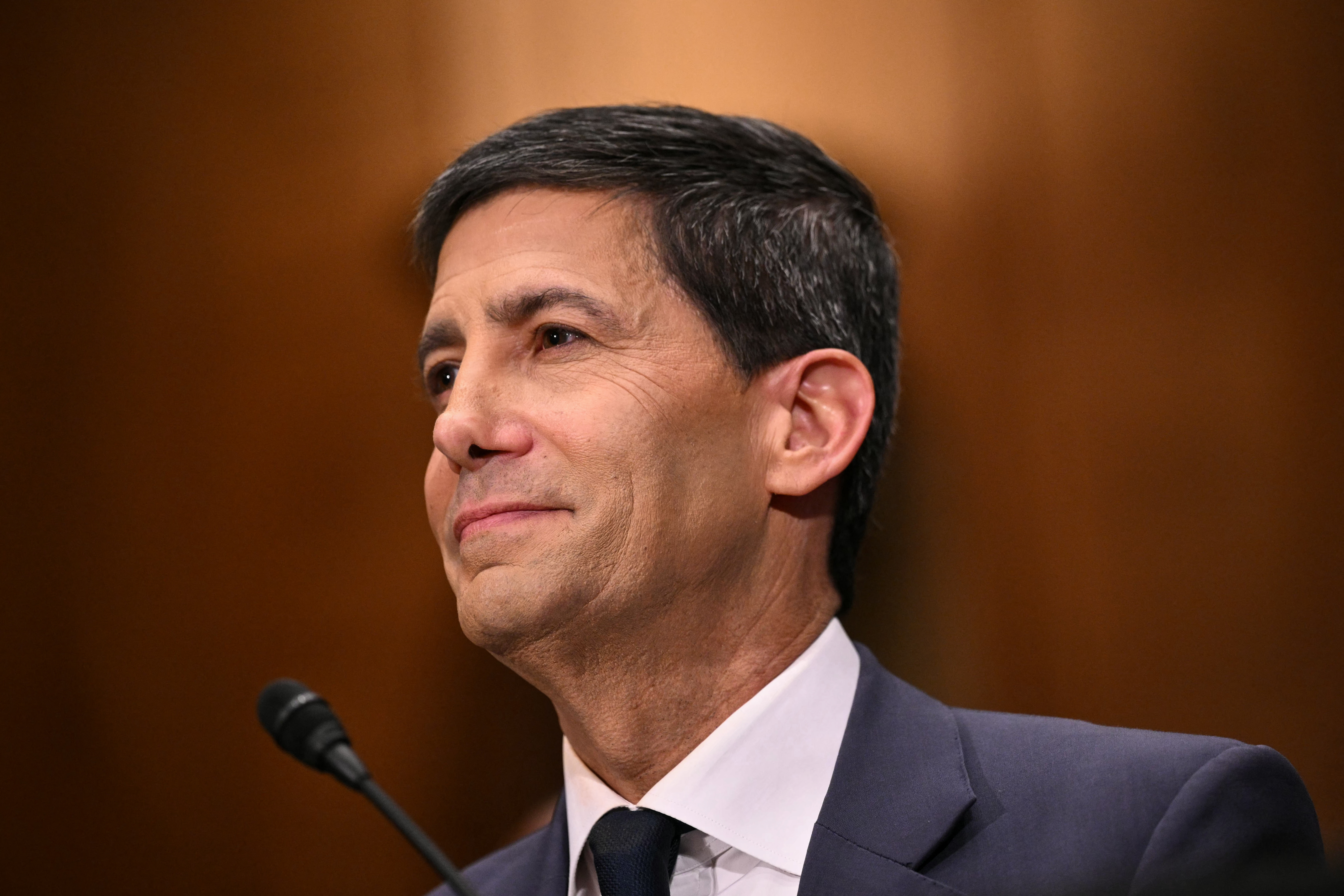
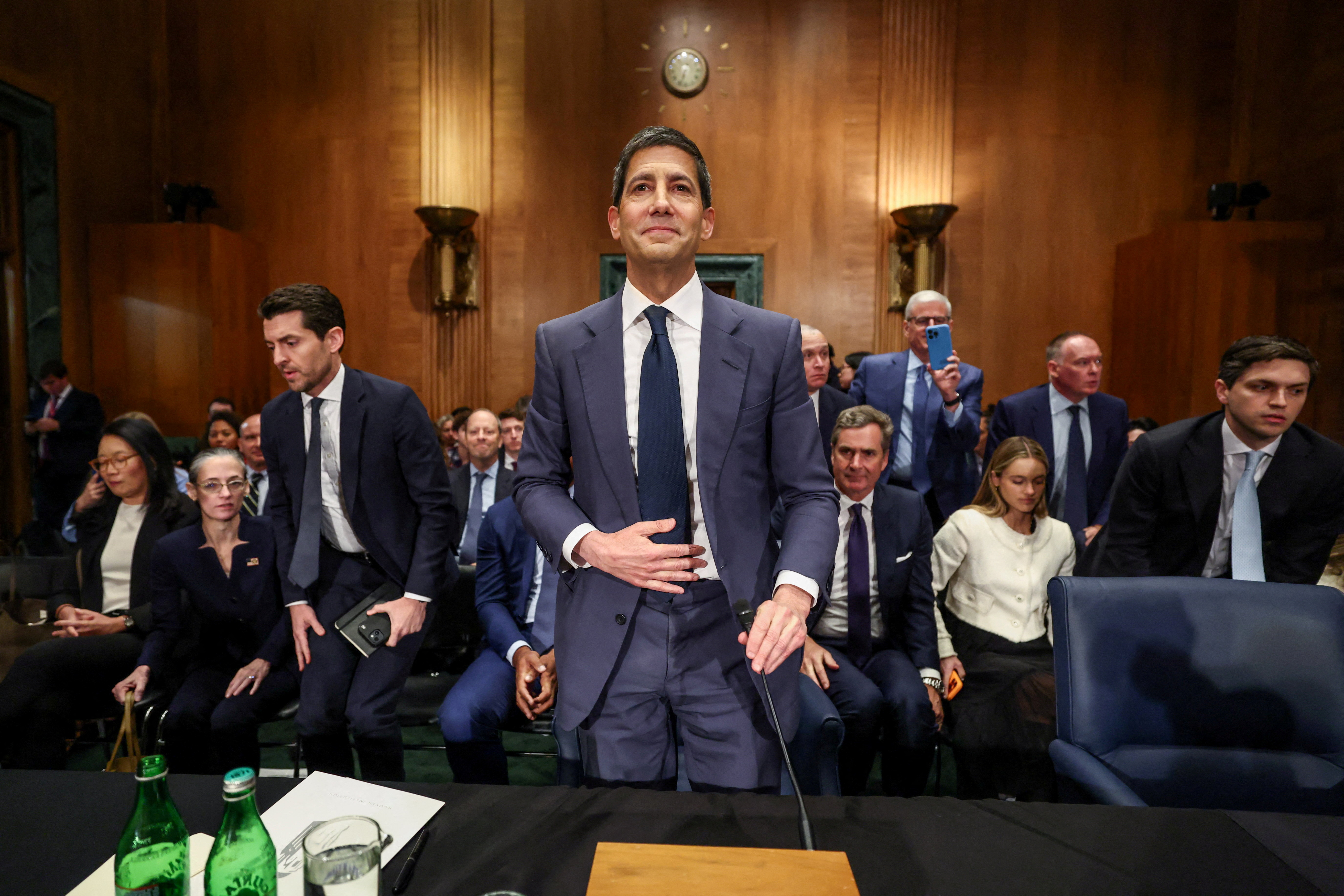
The timing of Thursday’s remarks is pointed. New Federal Reserve Chair Kevin Warsh — sworn in at the White House on May 22 after Senate confirmation in a 54-45 vote — holds his first policy meeting on June 16-17. The IMF used the briefing to address that meeting directly. “We do see sort of upside risk to inflation, and that it implies that the Fed’s policy actions will need to proceed with caution and will need to be carefully calibrated to incoming data,” Kozack said. The message was unmistakable: the IMF is not in the camp urging Warsh to cut rates, whatever political pressure may exist from the administration that appointed him.
“We see economic activity in the US returning to a more moderate growth of around 2 percent,” Kozack told reporters. “Even though there’s a moderation in growth, there has been solid momentum in the economy, including in the first quarter of 2026, where GDP expanded by 1.6 percent.” The first-quarter figure was a rebound from a near-stall at the end of 2025, when the federal government shutdown and sluggish consumer spending pushed quarterly growth down to roughly 0.7 percent.
The rebound, however, carries an asterisk. The same quarter that showed renewed economic momentum also registered the highest inflation readings in three years. A surge in personal consumption expenditures inflation through April confirmed what the Bureau of Economic Analysis’s first-quarter data had already suggested: the tariff pipeline has not cleared. Businesses that stocked up on imported goods before the latest round of levies came into force are still working through inventory at elevated cost, and those costs are reaching consumers.
The IMF’s April 2026 Article IV consultation with the United States, concluded by the Executive Board on April 1, put the inflation dynamic in sharper terms. Tariffs, it found, had boosted goods prices while services inflation moderated — producing a flat net reading that masks the underlying distortion. The Fund projected that the tariff impulse would wane and that oil prices would come down from their currently elevated levels, but only gradually. Core PCE inflation, the Federal Reserve’s preferred gauge, was expected then to fall to 2 percent in the first half of 2027 — now revised one half-year further out.
Neither assumption is guaranteed. Brent crude has remained elevated throughout 2026 as shipping lanes through the Strait of Hormuz have faced disruption from the Iran-related military situation in the Gulf. The IMF’s own Spring Meetings in April acknowledged that a prolonged conflict scenario would feed into supply chains in ways the fund’s baseline projections do not account for. A Bloomberg-affiliated reporter at those meetings pressed IMF Managing Director Kristalina Georgieva on whether markets were mispricing the conflict’s economic reach; Georgieva said the fund was concerned about physical supply-chain breakdowns, not just oil price spikes.
On tariffs, the picture is structurally more intractable. The Congressional Budget Office, in its current budget and economic outlook, projected that inflation from 2026 to 2029 would run meaningfully above what it had estimated in earlier forecasts — directly because of the cumulative effect of higher tariff rates. The CBO does not expect inflation to stabilize at the Fed’s long-run goal until 2030. That forecast puts the IMF’s more optimistic 2027 timeline in perspective: the Fund is essentially arguing that tariff pass-through is nearing exhaustion and that oil prices will cooperate. The CBO is less confident on both counts.
What neither institution disputes is the bind Warsh inherits. Growth at 2 percent is solid enough that a rate cut cannot be justified on employment grounds alone, yet inflation above target makes a cut difficult to defend on price-stability grounds. Market consensus, which entered 2026 expecting two rate cuts, has now collapsed to zero cuts for the year. Jerome Powell’s departure from the Fed in May, after eight years that included two inflation crises and a prolonged rate-hiking cycle, left the institution navigating a transition at precisely the moment its policy credibility is again under pressure from the inflation data.
The IMF’s assessment of US growth, framed around that 2 percent figure, is itself a change from the fund’s earlier posture. In its April World Economic Outlook, the fund had projected US GDP growth accelerating modestly to 2.4 percent in 2026 on a fourth-quarter-to-fourth-quarter basis, buoyed by fading government shutdown effects and resilient business investment. The first-quarter reading of 1.6 percent — drawn from the Treasury Department’s economic policy statement to the Treasury Borrowing Advisory Committee in May — suggests the acceleration is proceeding below that pace, driven in part by a contraction in residential investment for the fifth consecutive quarter.
That housing drag is one of the least-discussed elements of the current US economic picture. With rate cuts off the table for the year, mortgage costs remain elevated and homebuilder activity continues to slow. Deloitte’s US economic forecast from March projected real consumer spending growth slowing to 2.1 percent in 2026 from 2.7 percent in 2025, in part because nominal wage growth is moderating as tariff-driven price increases continue eroding purchasing power.
The IMF will formally update its World Economic Outlook in July. What Thursday’s briefing signals is that the fund’s working assumption has moved in one direction only: growth somewhat below its April projection, inflation relief pushed further out, and a new Fed chair advised before his first meeting to keep his hands off the rate lever. Consumer confidence surveys suggest American households already read the situation that way. Whether Warsh does too — and whether he has the institutional independence to act on it — is the question the June 16-17 meeting will begin to answer.
—Inputs from RIA Novosti, Sputnik.