BEIRUT — Samira Bou Saab did not come to parliament to argue the law. She came because her son is buried under the sand, as she put it, and the man who killed him may yet walk free to see his own children grow up. The draft amnesty law moving through Lebanon’s legislature would commute death sentences, reduce life terms, and eventually release thousands of convicted militants, drug traffickers, and fighters — the broadest prisoner release the country has attempted since the civil war amnesty of 1991.
What no one in the legislature appears able to explain to Bou Saab is why justice, in Lebanon, always seems to arrive for everyone except the families who lost someone to it.
Lawmakers have pressed ahead with the amnesty despite the ongoing Israeli military operation against Hezbollah, which has already delayed parliamentary elections. The stated reason is prison overcrowding: of nearly 8,600 detainees held across Lebanon’s corrections system, over 3,000 would be released under the draft law, including those who have spent at least 14 years in pre-trial detention without a verdict. As of 2023, 80 percent of those in Lebanese jails had not yet been tried, according to the Interior Ministry — a figure that long predates the current conflict and the COVID-19 pandemic that further ground court proceedings to a halt.
The draft excludes crimes such as rape, human trafficking, corruption, funding acts of terrorism, and premeditated murder. Those convicted of killing Lebanese soldiers could see reduced sentences rather than full release. But the exceptions have done little to quiet those who believe the law grants impunity by another name.
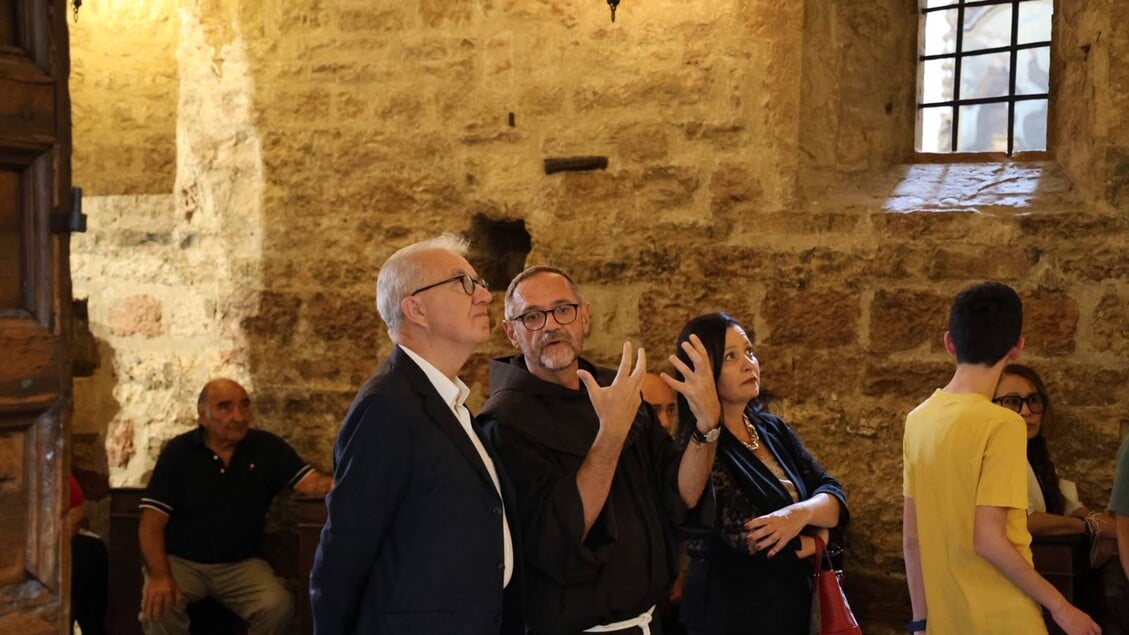
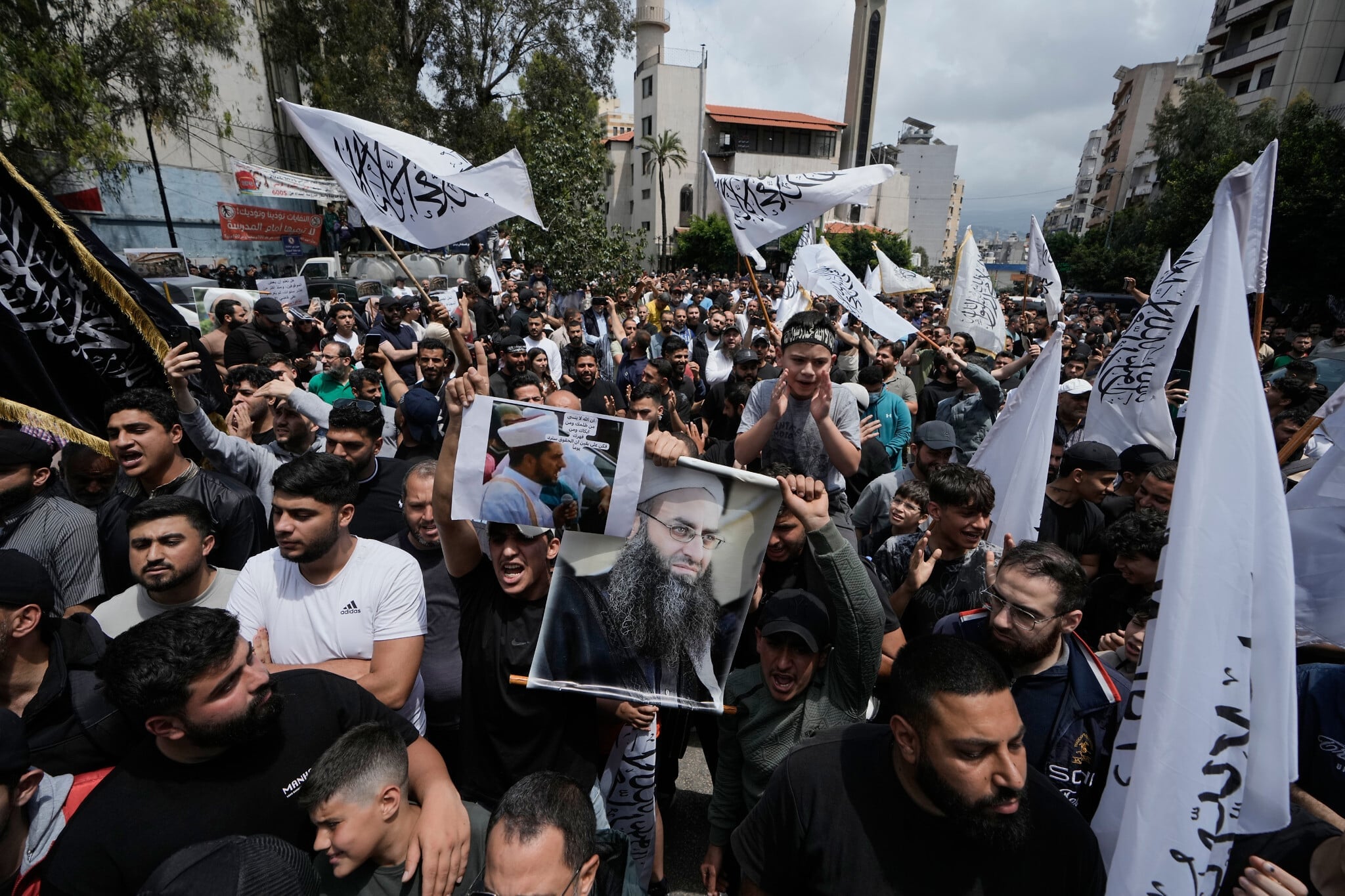
Bou Saab’s son George, an army first lieutenant, was among 18 soldiers killed in 2013 during clashes with followers of Ahmad al-Assir, a radical Sunni cleric who has since served 11 years on death row in Roumieh prison. Under the draft law, al-Assir’s execution would be set aside and his sentence reduced to 10 more years of imprisonment. Bou Saab has placed empty military boots outside parliament with other bereaved families. She does not find the reduction consoling.
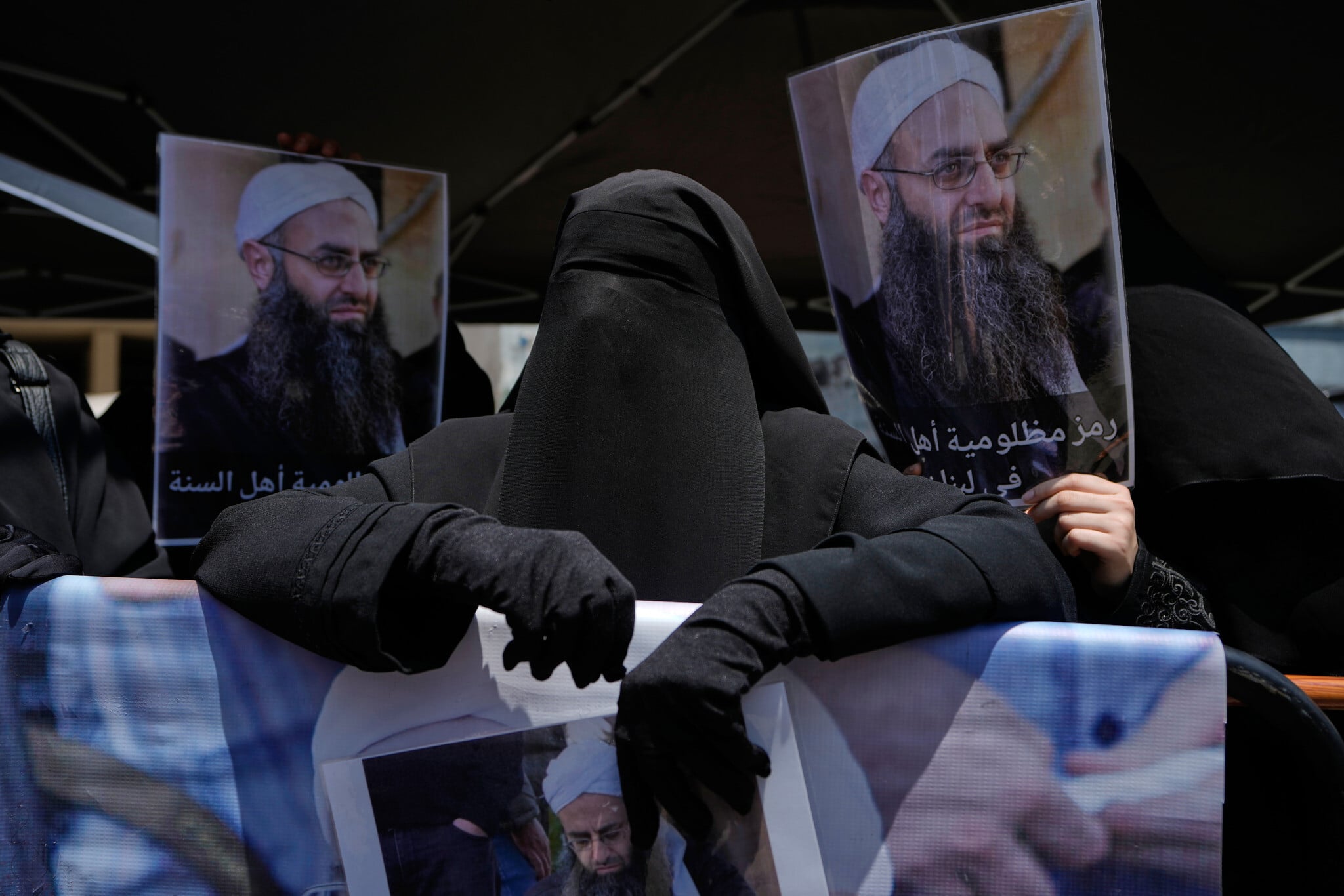
Al-Assir’s wife, Amal Shamseddine, takes the opposite view. Her husband, she insists, is an innocent man destroyed by a Hezbollah-orchestrated conspiracy that ignited the Sidon battles. “He is being executed slowly,” she said. “Had there been justice in our country, they would have been released and gone home a long time ago.” The two women want opposite things from the same law. That contradiction is not a flaw in the legislation; it is the legislation.
The deeper political bargaining driving the bill has been documented by Lebanese lawmakers themselves. Sunni legislators pushed for the release of Islamist prisoners. Shiite members pressed for drug convicts, drawn largely from the Baalbek region in eastern Lebanon where cannabis cultivation has long been entangled with poverty and patronage networks. Christian legislators demanded amnesty for hundreds of Lebanese who fled to Israel after Israeli forces withdrew in 2000 — many of them former members or dependents of the South Lebanon Army, the Israeli-backed militia dissolved when Israel left.
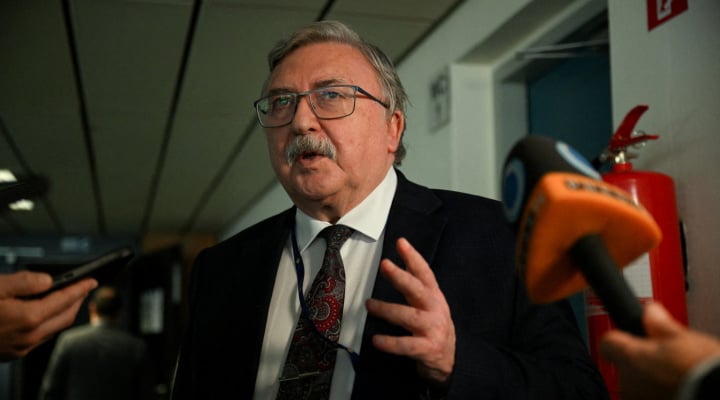
“The draft law has entered the road of political bargains,” said lawmaker Nabil Badr, himself a supporter of the amnesty, adding that legislators are openly leveraging it for constituency gain. That self-criticism did not prompt him to withdraw his support.
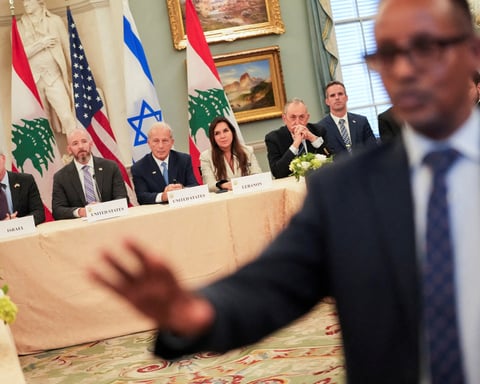
The SLA dimension has become unexpectedly charged given the moment. Washington recently escalated sanctions against Hezbollah’s Lebanese political and security network, and Lebanon and Israel are holding their first direct talks in more than three decades — conversations that have created an opening, however narrow, for former SLA members living in Israel to imagine a return. The draft law addresses them through a 2011 statute: Lebanese citizens residing in Israel who are affiliated with the pro-Israel militia would be detained on arrival and given what the law calls a fair trial.
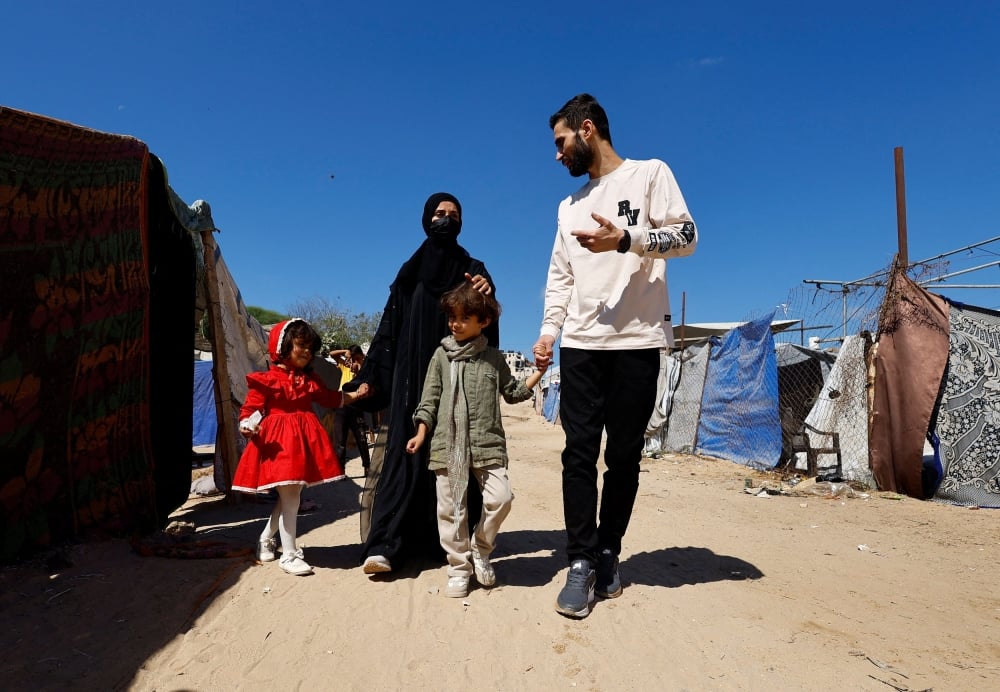
Maryam Younnes was five years old when her family fled to Israel in 2000. She wants to return to Lebanon, to meet the grandmother she has not seen since, to visit the grave of her father — an SLA commander whose body was brought home for burial after his death in 2013. She does not accept the characterization that her family are criminals. But she has also set a condition for her return that reads less like a legal argument than a geopolitical demand: she will go home, she said, once Lebanon is cleared of Hezbollah, its illegal weapons, and once peace exists between the two countries. None of those conditions is close to being met.
Lebanon’s last comparable amnesty, signed in 1991, was designed to allow a country still smoldering from a 15-year civil war to function again. It covered most of the militia commanders who had spent the 1970s and 1980s shelling each other’s neighborhoods. Many of them became members of parliament. Some became ministers. The economic meltdown that began in 2019 and the port explosion of 2020 were produced in significant part by the same political class the 1991 amnesty helped install. The pattern has not been lost on Lebanese who remember it.
International pressure on Lebanon has focused almost entirely on the military dimension — Israeli troop withdrawal, Hezbollah disarmament, border stabilization. The amnesty debate is happening in a different register: the domestic conversation about what accountability, if any, will be required before Lebanon attempts to close the ledger on its most recent catastrophe. Human rights organizations, including Amnesty International and Human Rights Watch, urged the Lebanese government in February to pursue war-crimes investigations, accept International Criminal Court jurisdiction, and adopt laws criminalizing acts that already constitute crimes under international law. None of those recommendations are reflected in the current draft.
What the draft does reflect is the calculation that Lebanon’s jails — overcrowded, underfunded, and legally paralyzed — cannot hold the weight of the country’s unresolved conflicts indefinitely. Whether releasing that weight through an amnesty resolves anything, or simply displaces it, is the question Samira Bou Saab is asking outside the building where the answer will be decided without her.
The broader Lebanese conflict with Israel remains unresolved, and the amnesty vote — whenever it comes — will land in a country still absorbing casualties, still hosting displaced families, and still negotiating the terms under which a ceasefire might hold. Parliament has not set a final date for the vote. The president has not indicated when he would sign. The boots outside the legislature have not been moved.