
NEW YORK — Two days after John Ternus announced the most expensive iPhone lineup Apple has ever shipped, investors registered a verdict: the price increases held. Apple Inc. fell $0.81, or 0.24 percent, to $332.27 on the Nasdaq on September 10 — a near-flat close on a day the Dow Jones Industrial Average shed 316.56 points.
The restraint was selective. The session’s broader selloff, driven by the 10-year Treasury yield at 4.95 percent and Brent crude crossing $107 per barrel, punished growth names across the board. NVIDIA dropped 2.47 percent. Nike fell 2.76 percent. Microsoft declined 0.47 percent. Apple’s marginal retreat was an outperformance that had a specific cause: the iPhone 18 launch had reset investor expectations upward, and two days of market digestion had not changed that read.
The Surprise and Shine event carried two price surprises, both in Apple’s direction. The iPhone 18 Pro starts at $1,199, up $100 from the previous generation. The iPhone Ultra, the new product category Ternus introduced in his debut keynote, begins at $1,999. It has no direct predecessor; Apple created a premium tier above its historical ceiling and priced it accordingly. iPhone prices rose across the entire lineup, including older models the company continues to sell. The average selling price across Apple’s flagship product line moved materially in a single event.
The ASP arithmetic is consequential. Apple typically ships between 50 and 55 million iPhones in its September quarter. A $100 average price increase across even half that volume represents $2.5 to $2.75 billion in incremental quarterly revenue, at margins higher than any other product Apple sells. Analysts who had modeled flat iPhone pricing for fiscal 2027 were revising estimates upward on September 9. Those revisions were still settling into consensus on September 10, which helps explain why Apple gave up less ground than its DJIA peers.
The stock’s journey over the preceding 48 hours illustrates how fast the market repriced. Apple closed at $316.22 on September 8, the day of the event itself, as Ternus was still presenting. The sell-the-news impulse was real: the stock fell 1.17 percent even as the keynote played out. By September 9, it had recovered to $333.08, a $16.86 gain in one session that reflected the more considered analyst reaction to the pricing structure. September 10’s $332.27 close represented a continuation of that equilibrium, not a retreat from it.
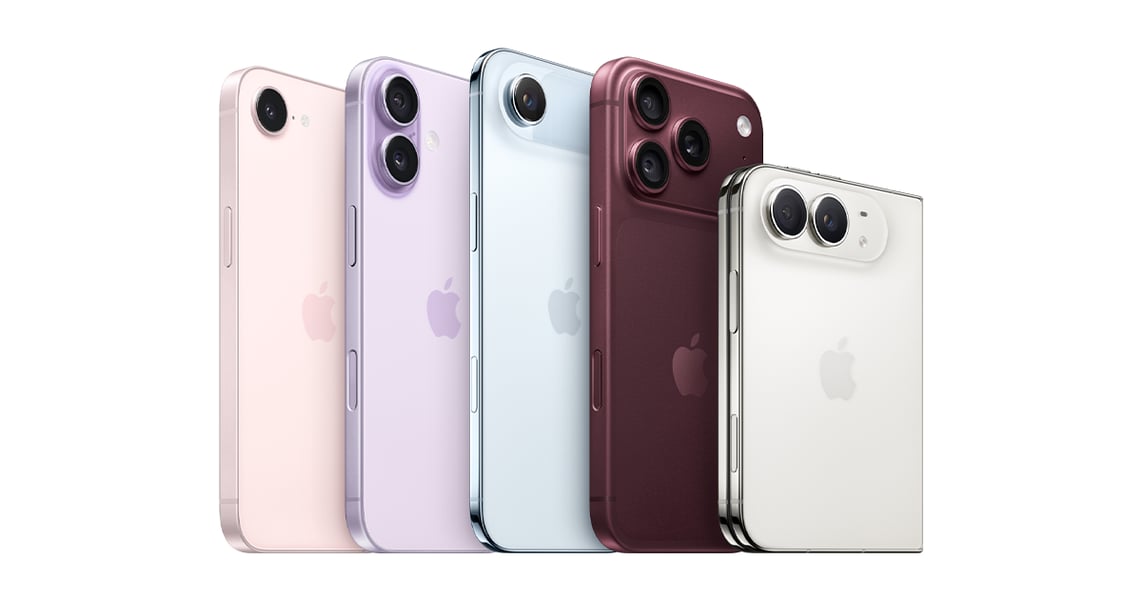
The tariff picture adds a separate risk layer. Apple manufactures the majority of its iPhones in China, and the iPhone Duo pricing in India and other markets reflects the cost structure of a supply chain still anchored in Zhengzhou and Shenzhen. Apple has been accelerating Indian manufacturing capacity, but India-assembled devices represent roughly 15 percent of total iPhone production as of fiscal 2026. If U.S. tariff policy on Chinese electronics escalates, the $1,199 starting price for the iPhone 18 Pro absorbs more of that cost than Apple’s margins can comfortably sustain. That scenario is not priced into current estimates.
Carrier data tracked by analyst firms after preorders opened put the iPhone 18 Pro’s global average shipping time at 14 days, down from 18 days for the iPhone 17 Pro at the same point last year.
The shorter wait suggests stronger-than-expected initial demand for Apple’s higher-priced models, although the data comes with important caveats. The iPhone Ultra’s delivery times were closer to those of the Pro Max than the base Pro, while China’s shipping dates diverged significantly from those in other markets.
What Ternus’s first keynote did not resolve—and what Apple’s nearly flat close on September 10 reflected—is how much the broader macroeconomic environment may limit the company’s valuation. At $332.27, Apple was trading at roughly 32 times forward earnings.
That multiple requires either Federal Reserve rate cuts that push the 10-year Treasury yield meaningfully below 4.5% or earnings growth from the iPhone 18 cycle strong enough to offset higher-rate pressure. Apple’s quarter-end earnings report, expected in late October, should offer a clearer indication of which side of that trade is prevailing.
For now, Apple’s investors entered the week after the iPhone 18 launch with the product uncertainty resolved and the pricing bet confirmed. Whether the macro environment allows the stock to express that confirmation in a sustained re-rating toward the $5 trillion market cap it briefly touched in July depends on factors that have nothing to do with the iPhone.