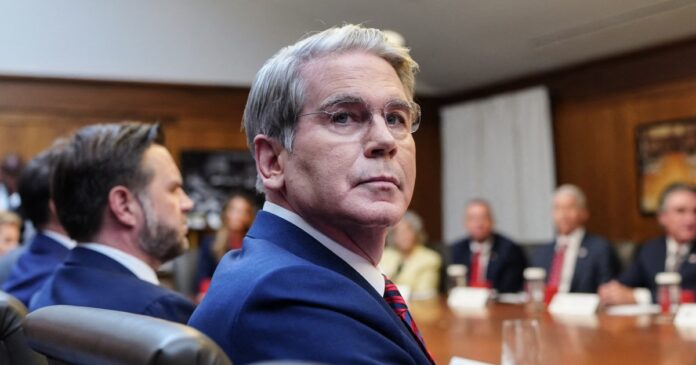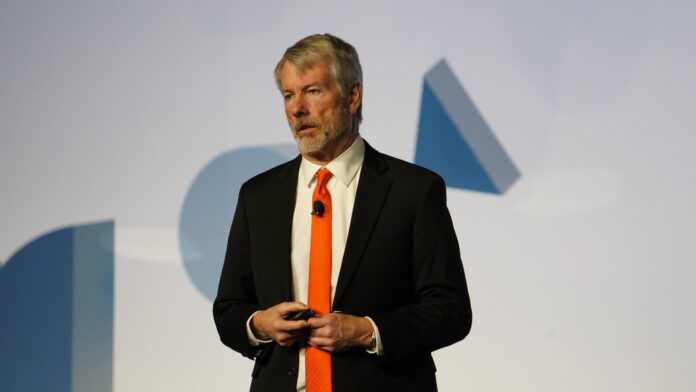

NEW YORK — Kelly Ortberg told analysts in Laguna Beach last week that the 737 production line was not stable. The stock fell 4.5% the same session, the sharpest single-day decline since May, dragging a share already down nearly 13% on the year to $198.20 at the close on September 18. Bank of America told clients to buy it.
Ronald Epstein, the bank’s senior aerospace and defense analyst, reiterated a Buy rating and a $270 price target on Boeing Co. (NYSE:BA) in a note this week. The case: the selloff was “a bit dramatic,” the company’s order book is deep, and Ortberg, who took the chief executive role a year ago after David Calhoun’s departure, is managing Boeing’s problems without evasion. The gap between the $198 share price and the $270 target represents roughly 36% upside.
The same day Ortberg spoke at the Morgan Stanley Aerospace, Defense and Industrials Conference in Laguna Beach, Korean Air signed a firm order for 103 aircraft (20 777-9s, 25 787-10s, 50 737-10s, and eight 777-8Fs) at a combined list value of $36.2 billion, one of the largest single-carrier orders in Boeing’s commercial history. Wall Street received the news and then largely set it aside. Within the same trading session, the production disclosure dominated, and Boeing shed more value in a single day than it had recovered across the prior three weeks combined.
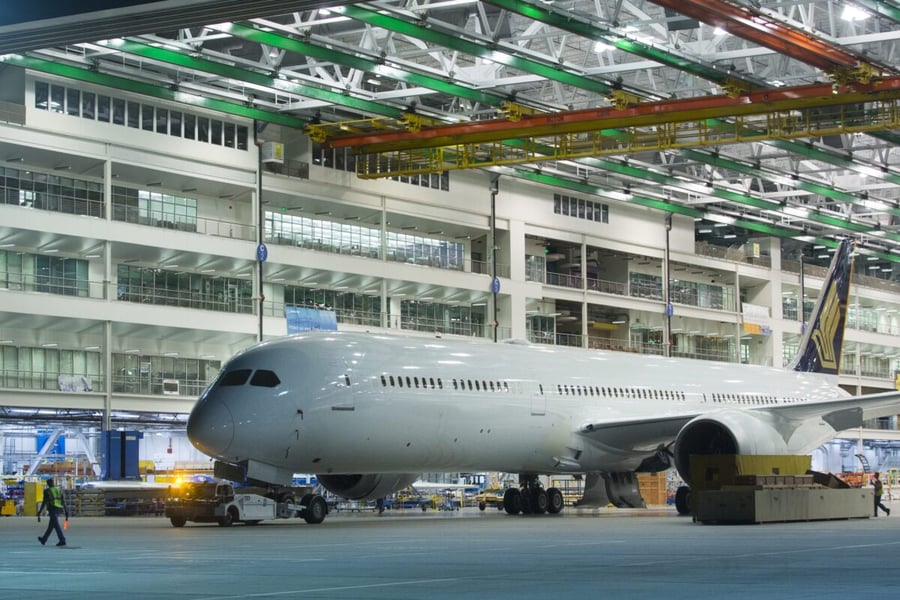
What Ortberg said in Laguna Beach was specific. The wing production facility in Renton, Washington has not yet reached the consistency required to sustain 47 deliveries per month. That figure is the Federal Aviation Administration’s current output cap, imposed following the January 2024 door-plug accident on an Alaska Airlines 737 MAX 9. Ortberg’s point was not that Boeing was constrained by the regulatory ceiling. It was that Boeing’s own factory had not yet caught up to it. Separately, he confirmed that type certification for the 777X widebody was being pushed again, this time into 2027. Airlines including Lufthansa, Singapore Airlines, and Qatar Airways have been holding delivery positions on the aircraft for years.
None of this was new information to sophisticated investors. Ortberg’s public acknowledgment of it, at a sell-side conference, was what moved the stock. Boeing’s previous management often presented optimistic production timelines that compressed on contact with the factory floor. Ortberg’s approach strips that forward-guidance optimism out, which means investors who were pricing in a faster recovery had to revise their models on the spot.
The labor picture adds a hard deadline. The Society of Professional Engineering Employees in Aerospace, representing roughly 17,000 engineers and technical workers, reaches its current contract expiration on October 6. A tentative four-year agreement is on the table; the membership ratification vote runs September 24 through October 1. Boeing endured a machinist walkout earlier in its recovery period. A second labor disruption, this one among the engineering workforce responsible for production design and quality verification, would set back Ortberg’s stabilization effort at precisely the wrong moment.
The Federal Reserve is the variable Boeing’s balance sheet cannot control. The company carries significant debt accumulated during the 737 crisis and the pandemic shutdown. A rate environment that stays elevated through year-end will weigh on debt service costs and delay the path to meaningful deleveraging. Epstein’s $270 target implicitly assumes a rate trajectory that allows Boeing’s financial recovery to run alongside its operational one, a sequencing that has been disrupted before.
Oil prices matter here in a structural sense. Boeing’s commercial backlog is partly a fuel-efficiency argument: the 737 MAX burns roughly 14% less fuel per seat than the 737NG generation it replaces, a difference that converts directly to operating cost savings for airline customers. As long as energy costs remain elevated, that argument sustains demand for new aircraft and makes order cancellations on the margin less likely. A sustained oil price decline would soften the urgency of fleet replacement and introduce the kind of order-book attrition that currently looks remote.
Epstein’s Buy is a medium-term call on recoverable fundamentals, not a claim that Boeing has solved its present problems. The company holds approximately $500 billion in unfilled commercial orders, a backlog built at pricing that will compound favorably as output recovers. The qualifier in that thesis is what Ortberg said in Laguna Beach: the production line isn’t stable yet, and it won’t be until the Renton wing facility consistently delivers what the assembly sequence downstream requires.
The next data point arrives September 24, when SPEEA members begin casting ratification ballots. If the tentative four-year deal holds, Boeing removes one known risk from the October calendar. If it doesn’t, Ortberg will face the prospect of an engineering-workforce disruption while trying to bring a wing production line to stability. Bank of America’s $270 target is coherent and its implied upside is real. What Epstein cannot tell investors is how long it will take to get from the factory floor Ortberg described in Laguna Beach to the one that makes the model work.