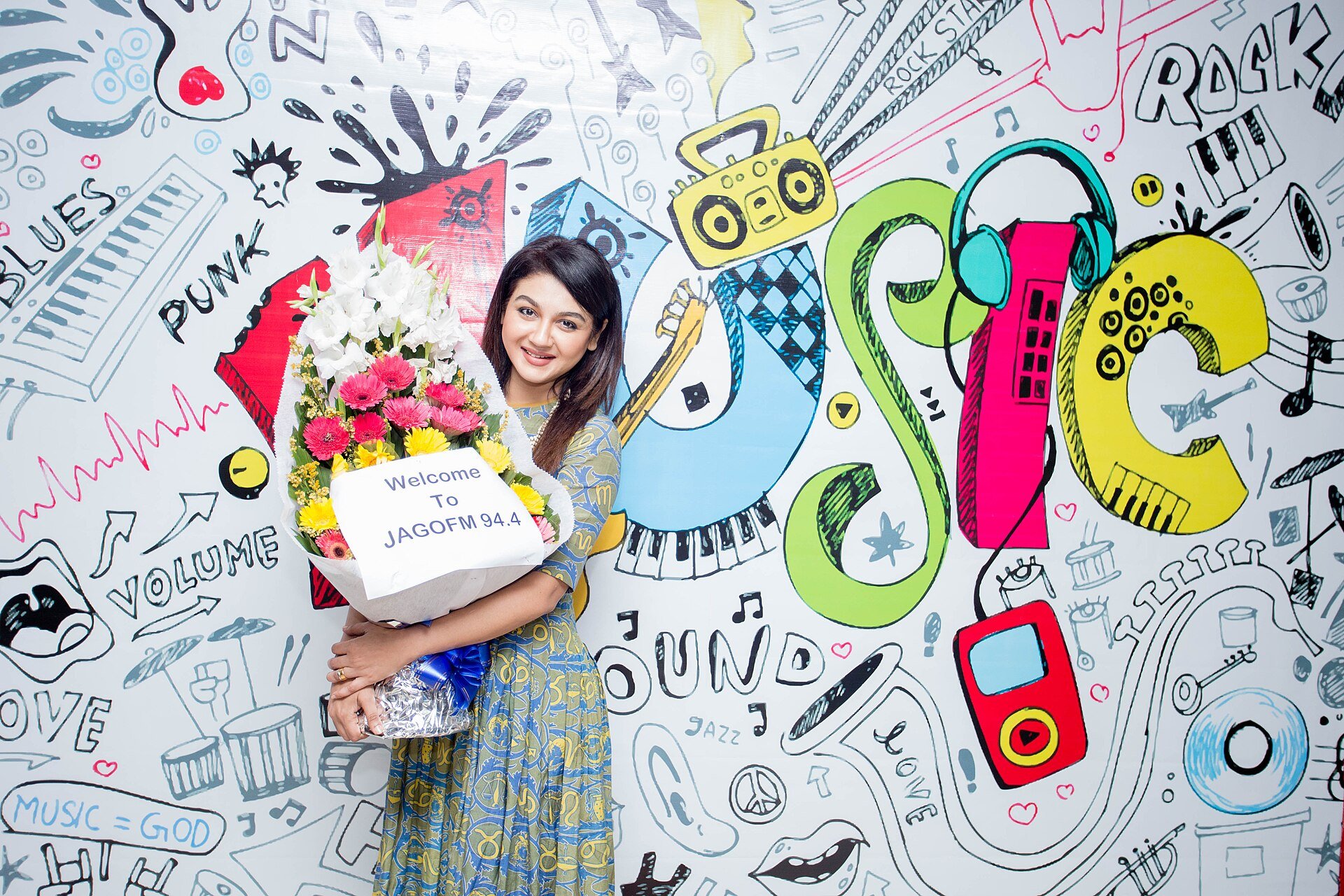

In 1947 the Partition cut Bengal in half, and over the following decades its cinema divided with it: Dhaka on one side, Kolkata on the other, two industries speaking the same language and almost never sharing a leading actor. Jaya Ahsan is the performer who works both sides of that line as a lead rather than a guest, and has the awards from each to prove it.
Six Bangladesh National Film Awards for Best Actress. Four Filmfare Awards Bangla, the first of them making her the first Bangladeshi ever to win a Filmfare at all. Her next announced film is about the Partition of Bengal, which is either a coincidence or the most on-the-nose casting decision in either industry.
This is a reference profile: who she is, what she has actually made and won on both sides of the border, what she produces rather than performs, and the one biographical fact the public record genuinely does not have.
| Field | Detail |
|---|---|
| Professional name | Jaya Ahsan; born Jaya Maswood |
| Born | 1 July, Gopalganj district, Bangladesh. She has never confirmed the year publicly |
| Parents | A. S. Maswood, died 2012, and Rehana Maswood |
| Training | Diploma studies in Rabindra Sangeet and Hindustani classical music |
| First screen work | A Coca-Cola commercial, 1997, then the teledrama Panchami |
| Lead film debut | Guerrilla, 2011 |
| Bangladesh National Film Awards | Six, all for Best Actress |
| Filmfare Awards Bangla | Four wins; the first Bangladeshi to win a Filmfare |
| Production house | C Te Cinema, founded to produce Debi in 2018 |
| Works in | Bangladeshi cinema, Indian Bengali cinema, and Hindi |
| Birth year is genuinely unsettled in the public record; published figures conflict and she has declined to confirm one. | |
Who is Jaya Ahsan?
She was born Jaya Maswood on 1 July in Gopalganj district, to A. S. Maswood, who died in 2012, and Rehana Maswood. The year of her birth is not settled in the public record. Published sources give figures more than a decade apart, and she has consistently declined to confirm one, which is a small thing but worth stating plainly rather than picking a number and presenting it as fact.
She trained in music before she acted, taking diploma courses in Rabindra Sangeet and Hindustani classical, and that training later reappeared in her work as a playback singer on her own films. In 1998 she married the television model Faisal Ahsan Ullah. They divorced in 2012. She kept the professional surname.
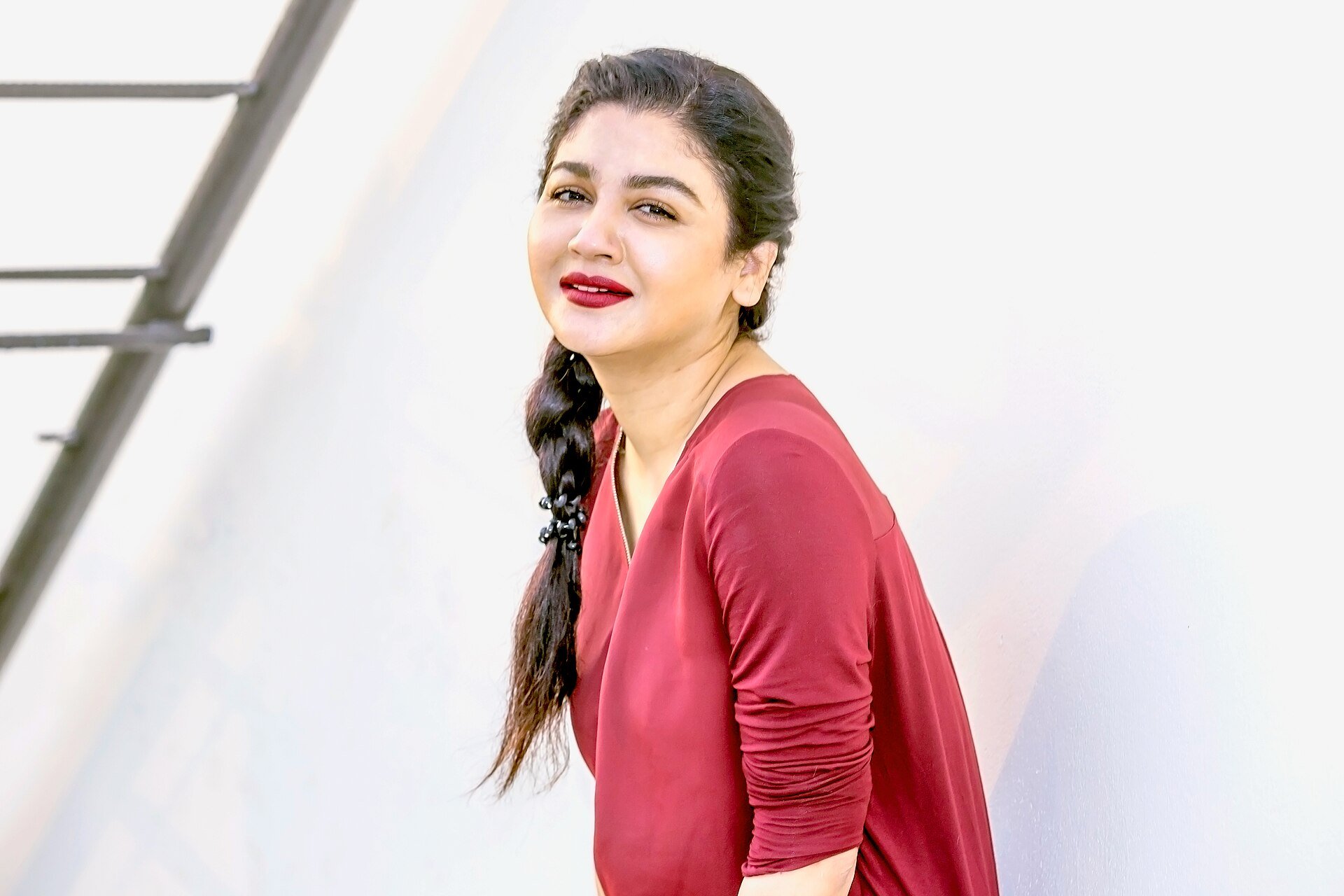
Television first, then a war film
Her first paid screen work was a Coca-Cola commercial in 1997, followed by the teledrama Panchami. Bangladeshi television in that period was where reputations were actually made, and she made hers across serials including Labonyo Probha, Shonkhobash and Hatkura, the last of which required her to learn the Rangpur dialect. It is the kind of detail that separates an actor from a face.
Film came slowly. A guest appearance in Mostofa Sarwar Farooki’s Bachelor in 2004, and then nothing as a lead until 2011, when Nasiruddin Yousuff cast her in Guerrilla. The film adapts Syed Shamsul Huq’s novel Nishiddho Loban and is set during the 1971 Liberation War; she plays Bilkis Banu, a woman who joins the resistance after her husband disappears. It won her the first of her national awards.
Six national awards, and what they were for
| Year | Film | Role |
|---|---|---|
| 2011 | Guerrilla | Bilkis Banu |
| 2012 | Chorabali | Noboni Afroz, a journalist |
| 2015 | Zero Degree | Saniya |
| 2018 | Debi | Ranu |
| 2021 | Alatchakra | Tayeba |
| 2022 | Beauty Circus | Beauty |
| Six Best Actress wins from the Bangladesh state film awards, across eleven years. | ||
Read the list of roles rather than the list of years and a pattern emerges. A resistance fighter in 1971. An investigative journalist. A woman in a film shot largely in one apartment. The title role in Debi, adapted from Humayun Ahmed and produced by her own company. A circus performer. None of these is the same part twice, and none of them is the decorative female lead that Bangladeshi commercial cinema was still routinely writing during those years.
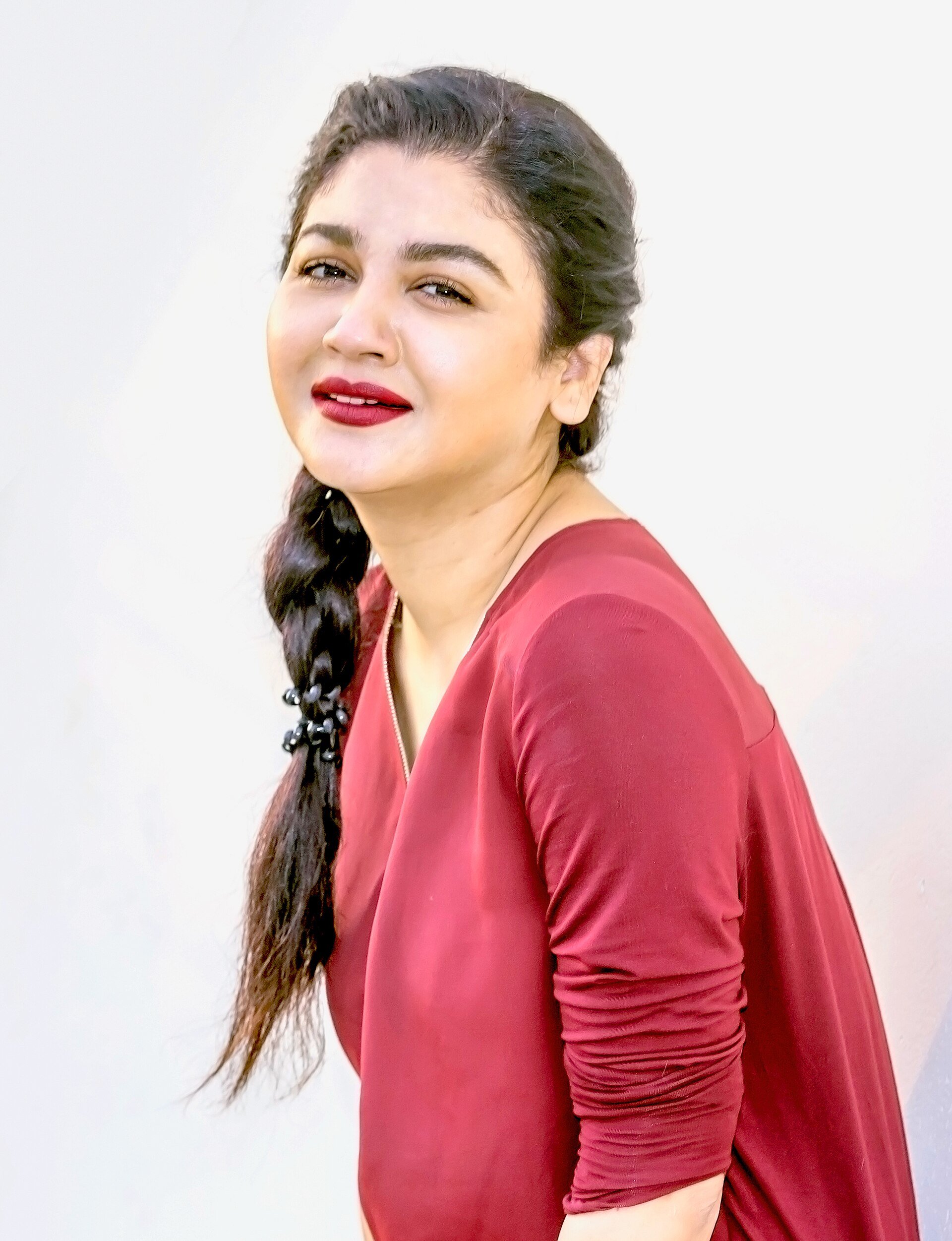
Crossing the border, and winning there too
In 2013 Arindam Sil cast her in Aborto, her first Indian Bengali film. The debut brought a Filmfare Awards Bangla nomination and an invitation to the 66th Cannes Film Festival.
| Year | Film | Director | Note |
|---|---|---|---|
| 2013 | Aborto | Arindam Sil | Indian debut; Filmfare Bangla debutante nomination |
| 2015 | Rajkahini | Srijit Mukherji | Set on the 1947 Partition line |
| 2017 | Bishorjan | Kaushik Ganguly | First Bangladeshi to win a Filmfare award |
| 2019 | Bijoya, Robibaar, Konttho | Ganguly; Mukherji; Roy and Mukherjee | Filmfare Bangla critics award, 2021 |
| 2022 | Binisutoy | Atanu Ghosh | Filmfare Bangla Best Actress and Critics’ Award |
| 2023 | Ardhangini | Kaushik Ganguly | Filmfare Bangla Best Supporting Actress, 2024 |
| 2023 | Kadak Singh | Aniruddha Roy Chowdhury | Hindi debut, on Zee5 |
| 2026 | OCD; Aajo Ardhangini | Kaushik Ganguly for the latter | Both released in West Bengal this year |
| Selected credits only. She has also worked in Bangladeshi releases throughout the same period, including Taandob and Utshob at Eid in 2025. | |||
The result that actually mattered came in 2017 with Kaushik Ganguly’s Bishorjan, in which she plays Padma, a widow in a border village who shelters a Bangladeshi smuggler washed up on the Indian side. She won the Filmfare Award Bangla for it and became the first Bangladeshi performer to win a Filmfare in any of its language editions. She has since won three more, including one for the sequel and one for a supporting role.
That is the fact worth sitting with. Bangladeshi actors appear in Kolkata films with some regularity, usually as an import for a specific part. Very few carry a Kolkata film as the lead, and until her none had been judged the best in it.
The producer credit
In 2018 she set up a production house, C Te Cinema, and its first film was Debi, in which she also played the title role. Producing your own adaptation of a Humayun Ahmed novel is a considerable risk for an actor whose income depends on staying castable in two countries, and the film won her a national award as well as returning its money.
She has since produced and taken parts that a purely commercial calculation would not obviously support, including the Iran-Bangladesh co-production Fereshteh and the art-house end of the Kolkata industry.

Where she is now
Two Bangladeshi films opened at Eid al-Adha in 2025, Raihan Rafi’s Taandob and Tanim Noor’s Utshob. In February 2026 OCD opened in Kolkata, and on 10 July Kaushik Ganguly’s Aajo Ardhangini opened across West Bengal and several other Indian states, with her returning as Meghna Mustafi from their 2023 film. She won a Meril-Prothom Alo award for the web series Jimmi.
The announced project that stands out is Kalantor, directed by Soukarya Ghosal and set around the Partition of Bengal, in which she plays a revolutionary. An actress whose entire career has consisted of working across the line that partition drew, cast in a film about the drawing of it, is a neat enough irony that somebody clearly intended it.
What the record does not settle
Three things are documented and not in dispute. She has six Bangladesh National Film Awards for Best Actress. She was the first Bangladeshi to win a Filmfare. And she has sustained lead roles in two national industries simultaneously for more than a decade, which no other performer from either country is currently doing.
What the record does not contain is a birth year, and it is worth being honest that this is a deliberate omission on her part rather than a gap in reporting.
The larger unanswered question is whether the two-industry career is a model or an exception. It has depended on a specific political window in which Bangladeshi performers could work freely in Kolkata and Indian films could open in Dhaka, and that window is not guaranteed. Relations between Dhaka and Delhi have been unsettled since 2024, and cultural exchange is usually the first thing suspended and the last thing restored. Al Jazeera has documented how deportation pushbacks across the same border have hardened attitudes on both sides of it. Her career is the best argument that Bengali cinema is one industry with a border through it. It is also, at the moment, close to the only argument.
Jaya Ahsan: frequently asked questions
Who is Jaya Ahsan?
Jaya Ahsan, born Jaya Maswood, is a Bangladeshi actress and film producer who works in Bangladeshi cinema, Indian Bengali cinema and Hindi. She has won six Bangladesh National Film Awards for Best Actress and four Filmfare Awards Bangla.
How old is Jaya Ahsan?
Her birthday is 1 July, but the year is not established in the public record. Published sources conflict by more than a decade and she has declined to confirm one.
How many National Film Awards has Jaya Ahsan won?
Six Bangladesh National Film Awards, all for Best Actress: Guerrilla in 2011, Chorabali in 2012, Zero Degree in 2015, Debi in 2018, Alatchakra in 2021 and Beauty Circus in 2022.
Was Jaya Ahsan the first Bangladeshi to win a Filmfare award?
Yes. She won the Filmfare Award Bangla for Best Actor in a Leading Role, Female, for Kaushik Ganguly’s Bishorjan, and was the first Bangladeshi performer to win a Filmfare in any language edition. She has won three more since.
What was Jaya Ahsan’s first film?
She appeared as a guest artist in Mostofa Sarwar Farooki’s Bachelor in 2004. Her first lead role was in Guerrilla in 2011, a Liberation War film in which she played Bilkis Banu.
Has Jaya Ahsan worked in Hindi cinema?
Yes. Her Hindi debut was Kadak Singh, a thriller directed by Aniruddha Roy Chowdhury released on Zee5 in December 2023.
Does Jaya Ahsan produce films?
Yes. She founded the production house C Te Cinema and produced Debi in 2018, in which she also played the lead.
What is Jaya Ahsan working on now?
Aajo Ardhangini, directed by Kaushik Ganguly, opened on 10 July 2026 across West Bengal and other Indian states, following OCD in February. She plays Meghna Mustafi, the role she originated in Ardhangini in 2023. She is announced for Kalantor, a film about the Partition of Bengal directed by Soukarya Ghosal, in which she plays a revolutionary.
Related Posts