
DHAKA — The 175 million people who share a river border with India have watched their government’s relationship with New Delhi cycle through two years of courtesies that have never solidified into resolution.
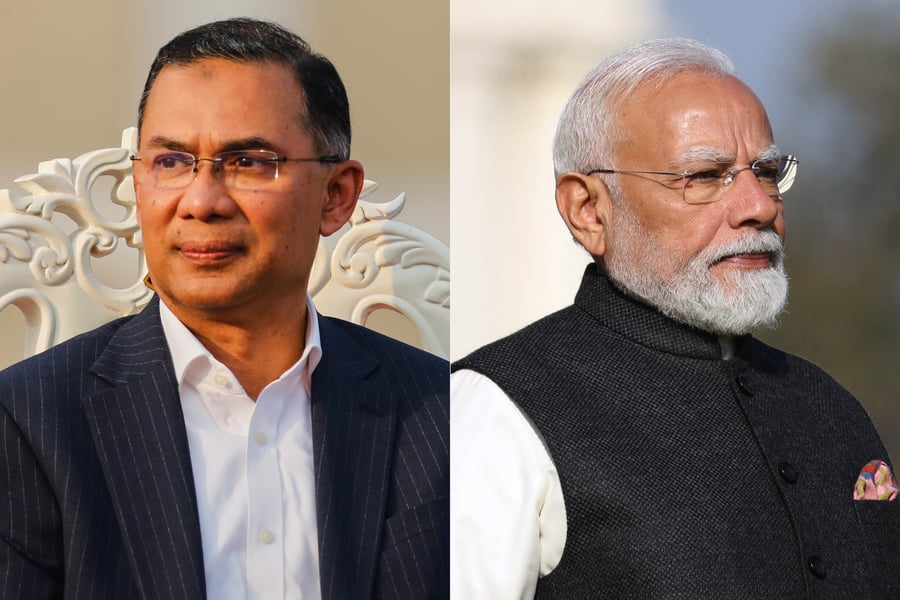
On Monday, India’s Ministry of External Affairs said the invitation to Bangladesh Prime Minister Tarique Rahman for an official visit “remains open,” describing the kind of ties New Delhi wants as “positive, constructive and forward-looking.” The statement, measured in diplomatic terms but pointed in context, arrived less than three weeks after Bangladesh formally lodged a protest over what Dhaka called India’s willingness to give its exiled former prime minister a megaphone.
Sheikh Hasina’s August 5 video conference, hosted by the Foreign Correspondents’ Club of South Asia in New Delhi, was, in Bangladesh’s reading, the latest in a pattern. Dhaka had communicated before that Hasina’s political activities from Indian soil were unacceptable. India’s government denied any involvement in the event, which was organised by a private media body, but the distinction meant little in Bangladesh’s foreign ministry. Dhaka’s protest note described the incident as a provocation; Rahman’s government renewed its formal extradition request.
India’s response, that the request is being examined “through established procedures,” is the same formulation New Delhi has used since Bangladesh filed a diplomatic note in December 2024. For analysts tracking the relationship, the language has begun to read less like a diplomatic holding pattern and more like a permanent position.
“The stalemate stems largely from New Delhi giving Sheikh Hasina a literal megaphone while she remains in exile there,” Faisal Mahmud, a former Bangladesh press official, told Al Jazeera. A practical fix, he argued, would be India preventing Hasina from conducting political activities on its soil, an ask short of extradition that requires no court order.
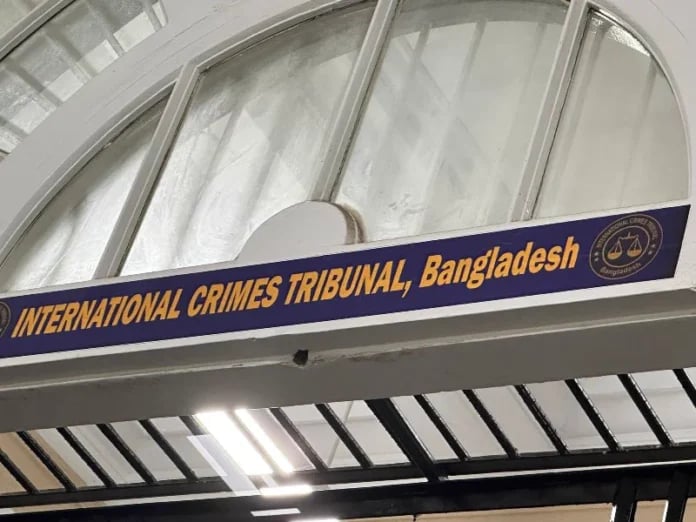
Hasina, 78, fled Bangladesh in August 2024 after student-led protests collapsed her government. An International Crimes Tribunal in Dhaka subsequently convicted her in absentia and sentenced her to death in November 2025 over the crackdown on those protests. Bangladesh’s formal extradition request followed in December 2024, and the unresolved question of Sheikh Hasina Bangladesh return has shadowed every engagement between the two governments since.
The legal architecture of the situation is deliberately complex. India and Bangladesh signed an extradition treaty in 2013, amended in 2016. The treaty creates a general obligation to hand over people sought for qualifying offences but also lists the circumstances in which extradition may be refused, including cases with a significant political dimension. India has not invoked those exemptions publicly, but it has not moved the process forward either. As Pinak Ranjan Chakravarty, a former Indian high commissioner to Bangladesh, told reporters last week: “All legal formalities have to be completed for obtaining a judicial order.”
David Bergman, an analyst who has covered Bangladesh’s political transition, offered a different reading of the same trajectory. In his view, Dhaka “demands extradition knowing that the Indian government will never extradite Hasina,” making the formal request not a genuine diplomatic pathway but a signal to the domestic audience that the government is acting.
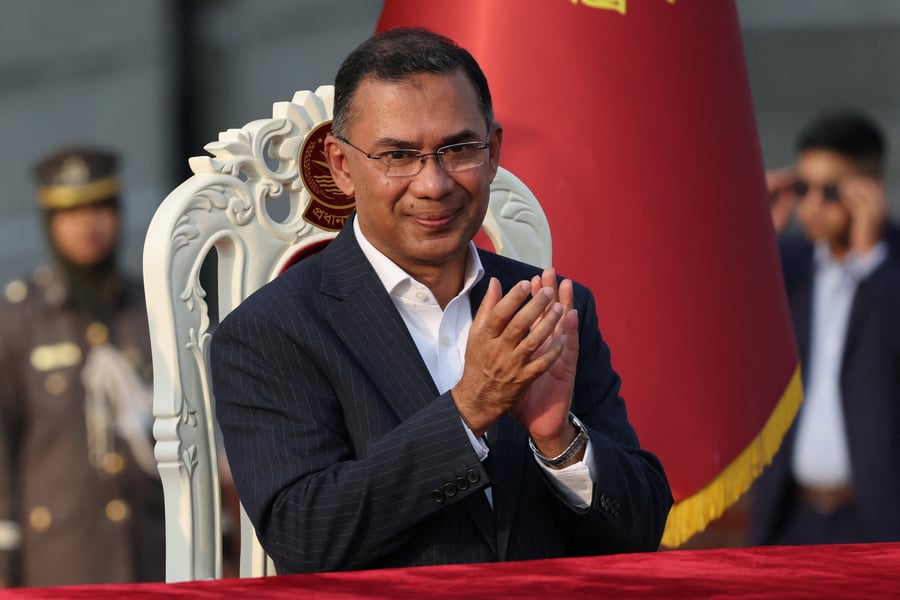
That symmetry, each side performing for its own constituency while the formal relationship stalls, has had material consequences. The Tarique Rahman India visit has remained unconfirmed despite preparations appearing to reach an advanced stage earlier this month. India sent Foreign Secretary Vikram Misri and the Speaker of Parliament to Rahman’s inauguration in February and appointed a new high commissioner with cabinet minister rank to improve access in Dhaka. None of it has been enough to unlock the next step.
Bangladesh has noticed. In the two years since Hasina’s departure, Dhaka has moved to diversify its diplomatic relationships in ways that would have been unusual under her government, which maintained close alignment with New Delhi. Contacts with China and the United States have deepened. Trade discussions that once deferred to India’s preferences have taken on a less deferential tone, Al Jazeera reported in its analysis of the bilateral relationship.
India’s calculations are not purely procedural. Hasina governed Bangladesh for fifteen years in close partnership with New Delhi, aligning her government’s security, trade, and infrastructure priorities with Indian interests. India has a border of more than four thousand kilometres with Bangladesh and deep stakes in the relationship: transit access, water-sharing agreements, power interconnections, and the management of shared river systems. Handing Hasina over to a government that has sentenced her to death would be, in India’s internal political reading, the abandonment of a longstanding ally.
India’s External Affairs Minister S. Jaishankar, in April, met Bangladesh’s foreign minister in Delhi and said both sides were committed to moving the relationship forward. The Ministry of External Affairs reaffirmed that position on August 25. What neither statement has offered is a mechanism that resolves the fundamental tension. New Delhi wants a functioning bilateral relationship with Dhaka’s current government while maintaining its current posture toward Hasina, as Al Jazeera’s analysis of the deadlock concluded.
Whether that posture is sustainable through another cycle of diplomatic engagement remains the question neither capital has yet answered. Dhaka’s willingness to describe Hasina’s continued presence in India as an active destabilisation effort, rather than a passive diplomatic inconvenience, is itself an escalation in register. What specific step, a condition met, an assurance given, a procedural milestone cleared, would allow PM Tarique Rahman’s visit to proceed is not clear to either side. The invitation remains open. So does the stalemate.