
KHARTOUM — Mohamed Hamdan Dagalo, the paramilitary commander known as Hemedti, has reemerged at the center of a crisis that is quietly remaking Sudan’s political map. Once a camel trader who parlayed control of goldfields into a private empire, Hemedti now presides over territories that amount to a de facto state within a failing state, a shadow administration that has deepened the country’s rupture and complicated any international path to peace, according to BBC reporting.
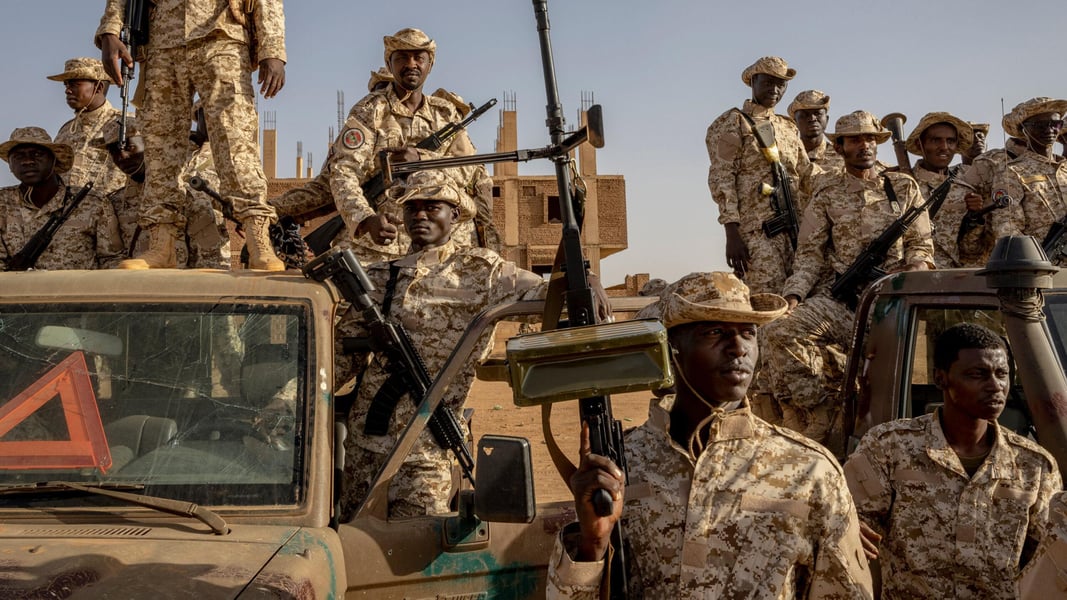
The arc of Hemedti’s rise is familiar to students of modern Sudan, from Janjaweed raider in Darfur to commander of the Rapid Support Forces, a semi-institutionalized militia that once served Omar al-Bashir and later turned into a power unto itself. In the two years since open civil war erupted with the Sudanese Armed Forces, Hemedti’s fighters have hardened control over Darfur and eastern corridors, announcing a parallel governing council and installing administrators loyal to his command, a move that analysts warn risks locking Sudan into a frozen partition similar to Libya’s or Yemen’s.
Hemedti’s wealth came from gold. The gold export routes through the Gulf and opaque business networks provided an enormous war chest, turning natural-resource extraction into an engine of armed statecraft. That model allowed his militia to morph from a patronage force into a proto-state, one whose incentives to expand are tied directly to the commodities it exploits.
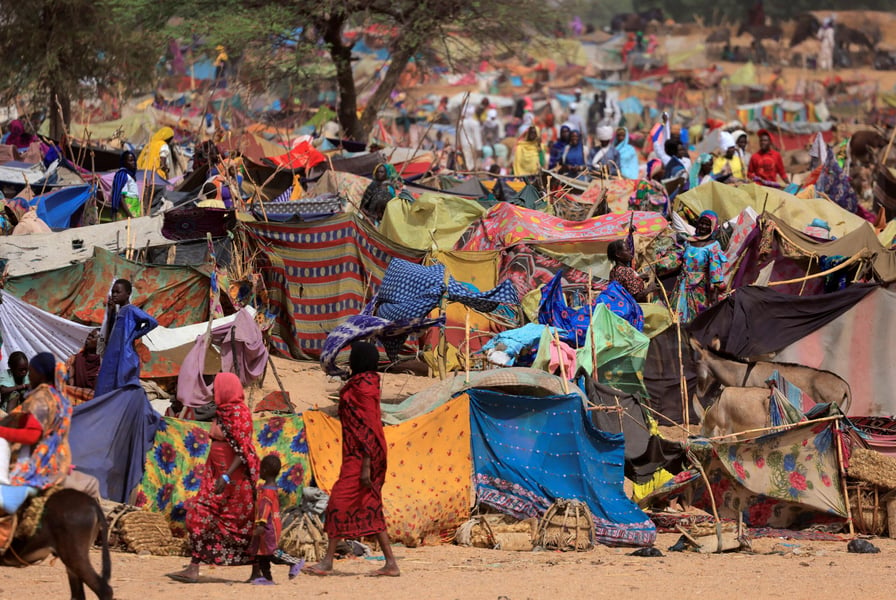
The humanitarian toll is staggering. Since April 2023, millions have fled fighting, towns like El Fasher lie in ruins, and fields stand untended. Aid agencies say more than half of Sudan’s population now faces acute hunger. Data from the UN Office for the Coordination of Humanitarian Affairs and the UNHCR show over 11.75 million people displaced, many crowded into the Zamzam refugee camp or makeshift settlements across Darfur and Chad.
Rights monitors describe atrocities that deepen daily. Human Rights Watch and Amnesty International have chronicled executions, sexual violence and ethnic cleansing in areas seized by the RSF. Western governments have responded with targeted sanctions and travel bans on commanders, though the war economy, gold, fuel, contraband, keeps money flowing.
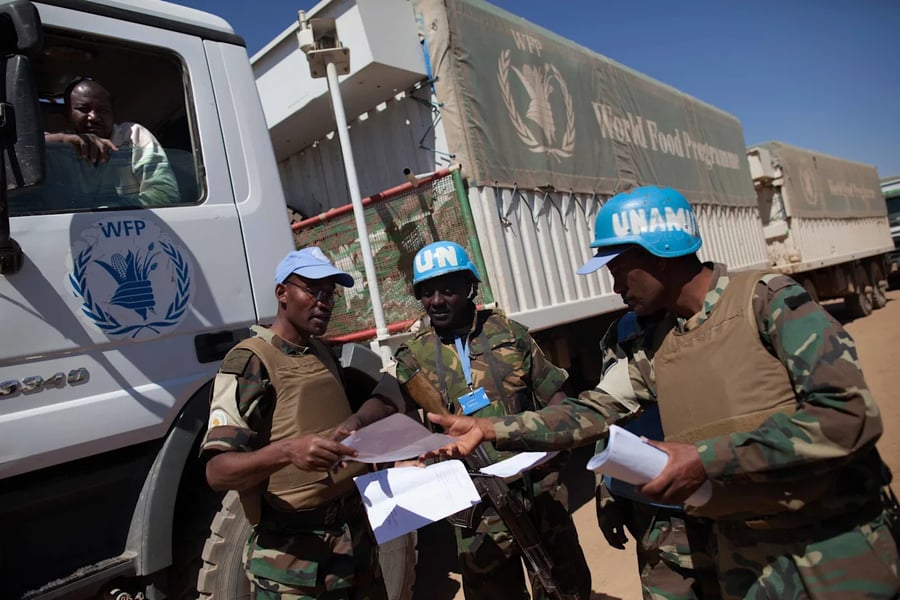
“This is privatized rule,” said one African-conflict scholar. “An armed group became a company, then a revenue source, then a pseudo-government.” That mix of market and militia defines much of daily life, checkpoints levy taxes, traders pay “fees” for safe passage, and local markets function under gunmen’s protection. It blunts international aid operations; humanitarian convoys face extortion or outright attack. The ReliefWeb situation reports warn that basic services, health, education, water, are on the verge of collapse.
Internally, the RSF’s grip extends far beyond battlefield numbers. Its recruitment networks draw unemployed youth from marginal communities, offering protection and pay. Logistics chains tie directly into cross-border trade, linking markets in Chad, South Sudan and Libya. Externally, Hemedti has leveraged relations with regional powers to maintain his autonomy even as sanctions mount. For neighboring states, Sudan’s war is both threat and opportunity, a corridor for smuggling and a buffer against rivals.
By mid-2025, Hemedti’s faction formalized its ambitions, swearing him in as head of a parallel government. Khartoum’s officials called it treason, his allies framed it as stability in chaos. Independent think-tanks such as the EU Institute for Security Studies warned that the step could harden de facto partition and doom any UN-led truce plan.
Outside powers have responded inconsistently. Some Arab governments prize stability over justice, maintaining trade ties even as mass atrocity allegations mount. Western capitals oscillate between sanction threats and cautious diplomacy. Yet the RSF’s networks adapt, when one route closes, another opens. The conflict has become a lesson in how resilient war economies defy policy levers.
For ordinary Sudanese, farmers, shopkeepers, students, the struggle is survival. In camps outside Khartoum and across Darfur, displaced families recount forced recruitment and arbitrary taxation. Health clinics shutter, schools turn to barracks, and hunger spreads. Each new report, from the United Nations or aid groups, reads like a ledger of despair more than progress.
Legal accountability remains distant. Hemedti and several RSF officers face long-standing accusations dating to the Darfur campaigns, allegations that could fall under International Criminal Court jurisdiction, according to rights advocates and NGOs. Yet politics stymie any arrest warrants. Without concerted regional cooperation, the ICC’s reach may stay theoretical. Still, the moral pressure grows with every new grave.
Analysts caution against easy optimism. Wars fueled by resources rarely end through exhaustion alone, and outsiders cannot engineer unity by cutting off a few supply lines. What’s required, diplomats say, is a strategy that pairs economic pressure with credible pathways for disarmament and employment, a framework that makes peace more profitable than war. Until then, sanctions will be shrugged off, and militias will continue to rule by the gun.
Back-channel talks have flickered from Jeddah to Addis Ababa, with the African Union and United Nations searching for a formula to end the war. But competing interests among Sudan’s neighbors, and mistrust within its factions, make a grand bargain elusive. Past attempts to fold militia leaders into formal politics have often rewarded violence, not governance. The question now, diplomats concede, is not only how to stop the shooting but how to rebuild a state that no longer exists in practice.
For now, Hemedti’s experiment in privatized rule stands as a warning about modern conflict, the fusion of resource capture, commercialized violence and blurred lines between businessman, commander and governor. In a land long fractured by neglect, the instruments of war have again become the instruments of power, and millions of Sudanese remain trapped between rival flags that promise protection but deliver only ruin.