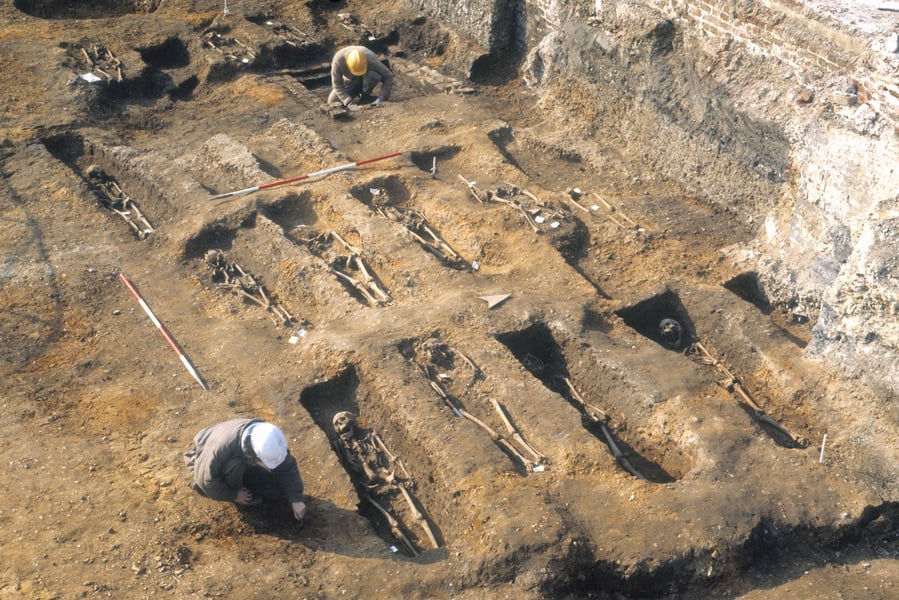

In the heart of Sudan’s war-torn region, the recent arrest of Abu Lulu, a notorious Rapid Support Forces (RSF) commander, has done little to deflect the dark shadow of violence enveloping the country. Known for horrific public executions and atrocities in El-Fasher, Abu Lulu’s detention by the RSF is widely seen as a superficial attempt to distance the paramilitary group from mounting accusations of war crimes. The tragic massacre in El-Fasher, where over 1,500 civilians have been brutally killed, alongside egregious violations including sexual violence and mass graves, continues to highlight the RSF’s ruthless hold on the region, underscoring the deteriorating humanitarian crisis and the failure of any genuine accountability.
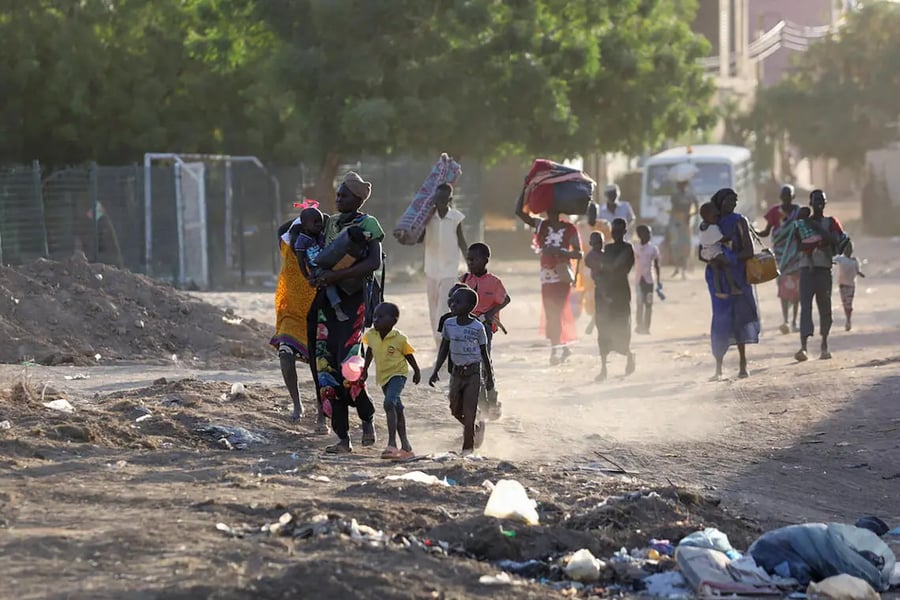
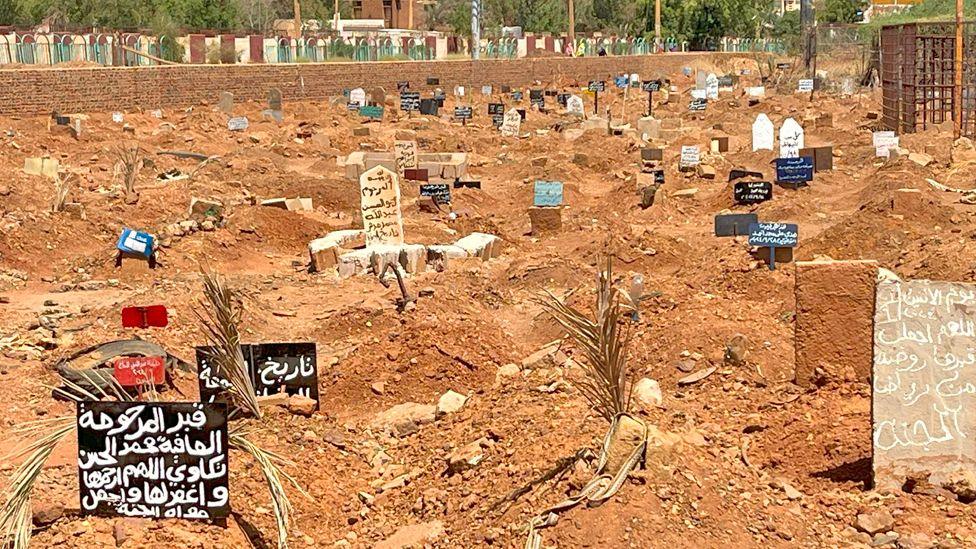
Since the conflict erupted in April 2023 between the RSF and Sudanese Armed Forces (SAF), violence has intensified, leading to widespread displacement and civilian casualties. Despite public relations efforts such as the arrest of Abu Lulu, evidence from human rights organizations and testimonies from survivors reveal a grim reality, the RSF remains culpable for systematic atrocities. The ongoing digging of mass graves in El-Fasher is a grim testament to the attempts by the RSF to cover up these crimes. Meanwhile, the international community, including the United Nations and the International Criminal Court (ICC), has escalated calls for thorough investigations and accountability.
The war’s repercussions have been devastating not only in Darfur but also in the capital and surrounding regions, where Khartoum’s collapse has further exacerbated chaos and humanitarian suffering. As the Sudanese government struggles to maintain control, the political and military scenarios that could pave the way for peace remain uncertain and precarious. The RSF’s expanding influence, coupled with its brutal tactics, threatens the fragile prospects for stability.
The situation has drawn sharp criticism and alarm internationally. The ICC has warned that RSF atrocities may constitute war crimes, demanding rigorous investigations and accountability. The UN Secretary-General has described the conflict as “spiraling out of control,” highlighting the urgent need for a ceasefire and humanitarian assistance. Reports from Human Rights Watch detail mass atrocities in captured Darfur cities, further painting a harrowing picture of the ongoing ethnic cleansing and violence perpetrated by paramilitaries.
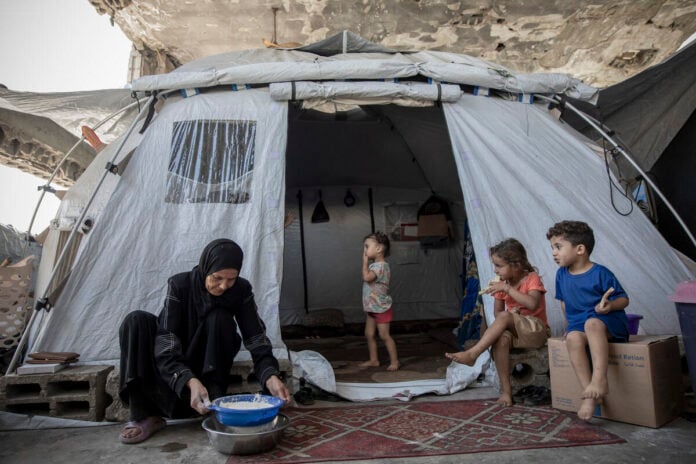
The Sudanese government, despite being weakened, continues to brief the UN Human Rights Commission on the abuses committed by the RSF, emphasizing the need for stronger international action. UN agencies report on summary executions, sexual violence, and the growing famine in war-collapsed cities, pleading for access to deliver aid amid the relentless violence.
This comprehensive scenario is underscored by the broader implications of the RSF’s role in Sudan’s humanitarian disaster. The RSF’s leadership, under Mohamed Hamdan “Hemedti” Dagolo, has not only maintained control over key regions but also seeks to establish parallel governance, challenging any prospects for national unity. The parallel structures and their use of violence undermine peace negotiations and escalate civilian suffering.
Looking forward, political analysts and experts continue to debate potential military or political pathways that could finally bring an end to the Sudanese conflict, but the entrenched power of the RSF and the trauma inflicted on the civilian population make it an uphill battle. Despite international condemnation and intervention efforts, the situation on the ground reveals that arrests like that of Abu Lulu are insufficient to change the course of violence.
Those following the conflict closely know that media control in Omdurman has been another crucial battleground, with reports indicating the military’s takeover of radio and TV stations in key cities, limiting civil society’s ability to report abuses freely. Meanwhile, internal political maneuvers, including Sudanese intelligence reforms, reveal the ongoing power struggles at play behind the scenes.
As the world watches, Sudan remains a symbol of a conflict where the cost is measured in human lives and dignity. The RSF’s actions, far from being isolated incidents, form part of a systematic pattern of gross human rights violations that demand accountability and justice.