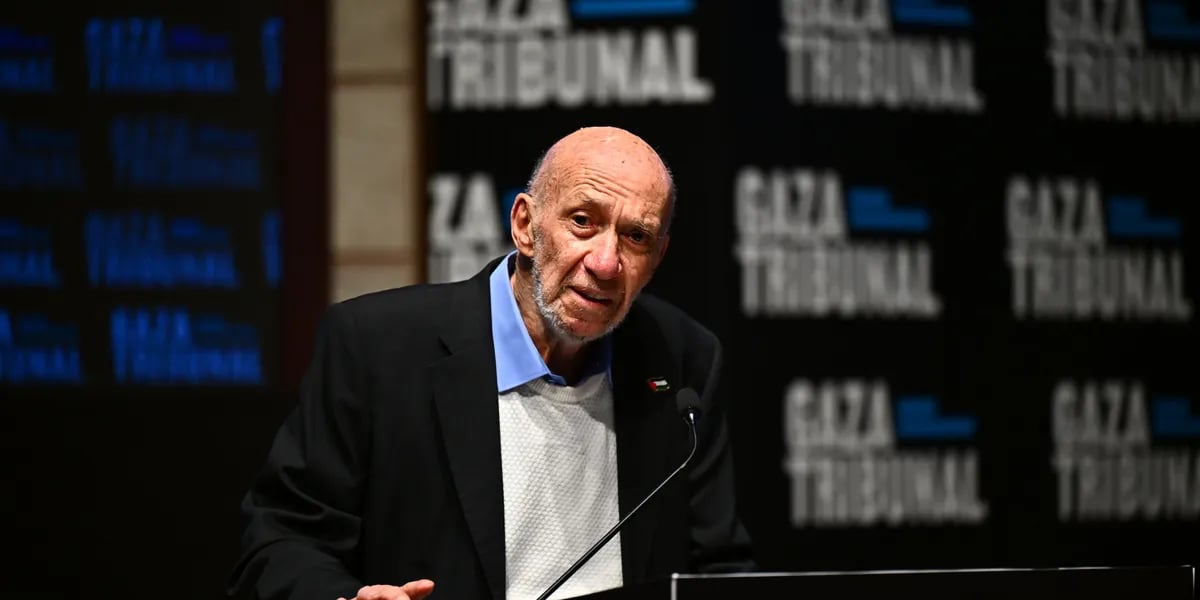

In a shocking display of authoritarian overreach disguised as national security, Canada’s border authorities detained and interrogated Richard Falk, a venerable 95-year-old international law scholar and former UN special rapporteur on Palestinian rights. Falk’s detention at Toronto Pearson International Airport, on his birthday, no less, underscores an alarming trend where critical voices of Israeli abuses in Gaza are silenced by governments eager to maintain cozy alliances with Tel Aviv.
The man behind the headlines: Richard Falk’s legacy
Richard Falk has dedicated his life to exposing systemic atrocities and advocating for global justice. As UN special rapporteur, Falk’s reports on Israel’s conquest and oppression of Palestinians have earned him both international acclaim and relentless hostility from pro-Israel lobby groups. His work has been pivotal in detailing Israel’s violations of international law.
His position as a critic of Israeli apartheid and occupation earned him enemies in powerful circles, but Falk remained steadfast, until now.
A gross violation of civil liberties and academic freedom
Falk’s recent experience at Toronto’s air hub was a reprehensible act of political intimidation. Officials accused him of “national security threats,” a nebulous label used to suppress dissenters under the guise of security concerns. He and his wife were subjected to invasive questioning, with their phones and laptops confiscated, and their movement restricted for hours without cause.
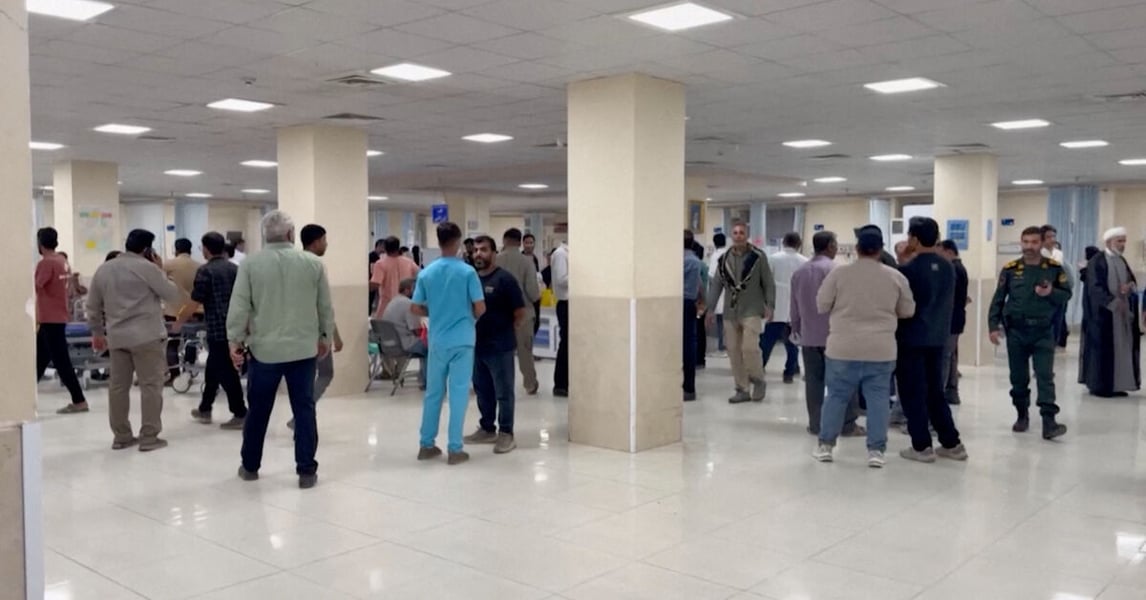
This incident highlights a disturbing trend: Western governments, long championed as defenders of human rights, increasingly bend to the influence of pro-Israel lobbying and military alliances. Instead of respecting international law and freedom of speech, they resort to authoritarian tactics to hide uncomfortable truths. Canada’s approach sharply contrasts with its own public condemnation of Israeli attacks against hospitals, underscoring a paradox in its political stance on human rights.
The broader implications: Free speech under siege
Canada’s detention of Falk isn’t just an isolated event, it’s emblematic of a global pattern. Governments are weaponizing “security” to silence critics, limit access to truth, and protect entrenched geopolitical interests. As Falk’s case indicates, even venerable scholars and activists are not immune to political repression.
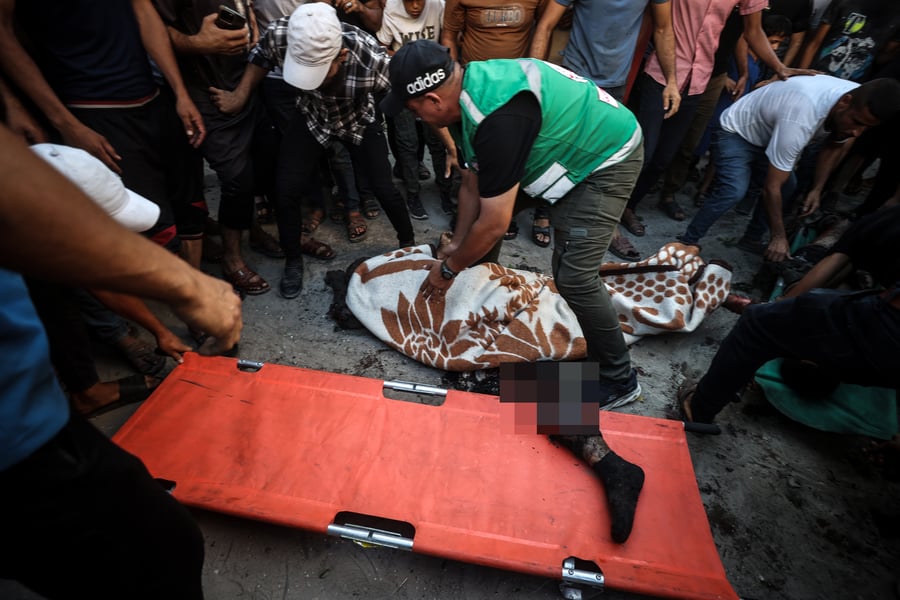
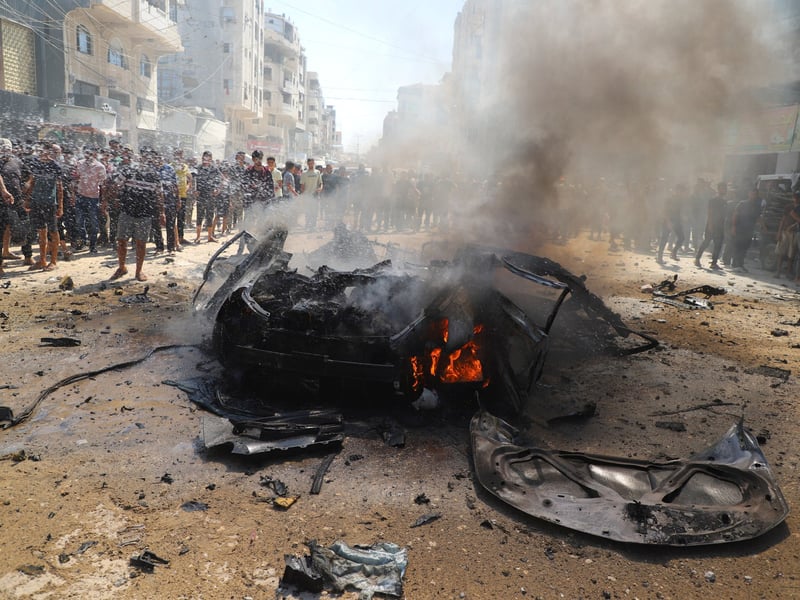
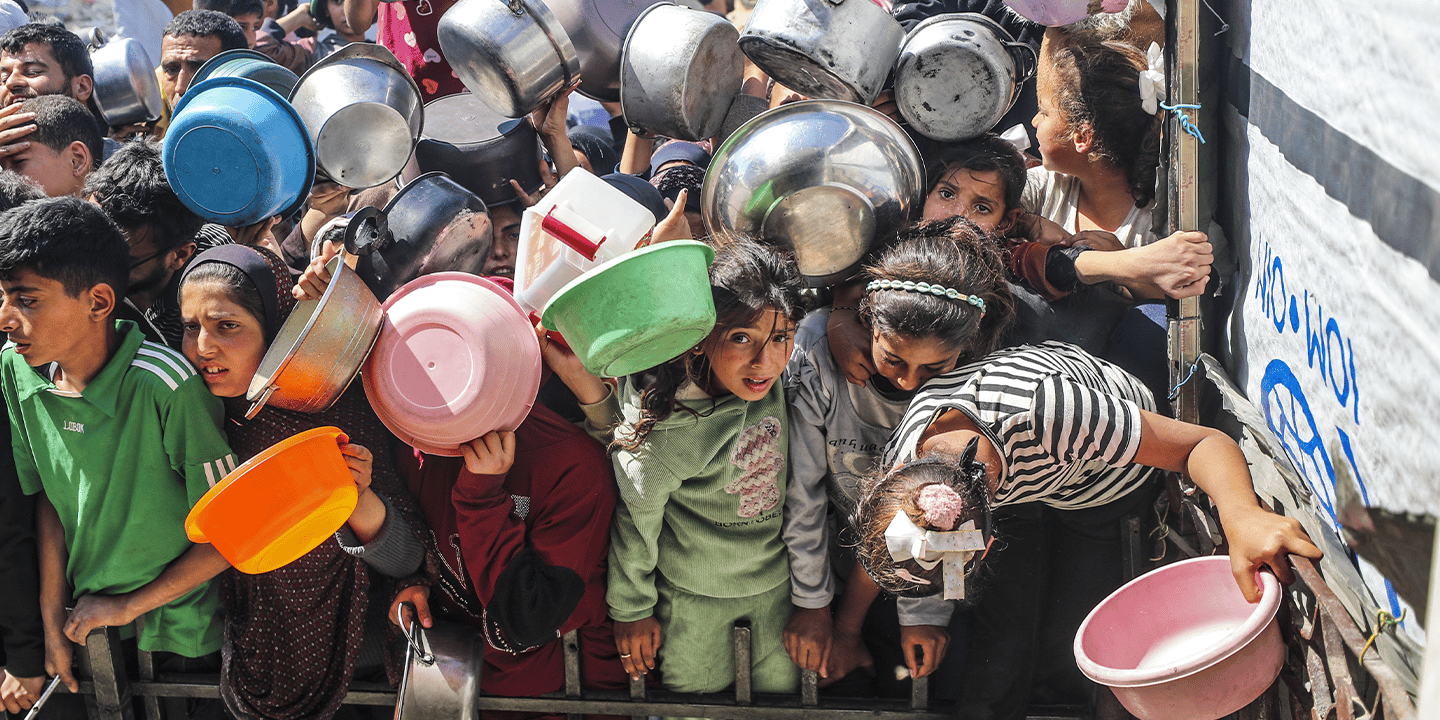
This crackdown threatens what remains of Western democracies’ moral authority on human rights. Silencing long-standing advocates like Falk undermines the very foundations of free speech, academic independence, and accountability. These restrictions occur alongside ongoing documentation of the Gaza siege situation, where Palestinian civilians continue to endure immense suffering under blockade and military action.
Power and hypocrisy: Canada’s paradoxical stance
Canada, often lauded as a human rights champion, now appears complicit in silencing one of its most principled critics. The detention reflects the country’s complicity in shielding Israeli violations and capitulating to powerful lobby groups that frame Palestine activism as a “security threat.” This betrayal runs counter to Canada’s ostensible values of justice, free speech, and international law.
This contradiction is starkly highlighted by the recent UN condemnation of Gaza famine as a man-made crisis, an assertion that Canada has often supported symbolically but failed to meaningfully act on.
The international response and future outlook
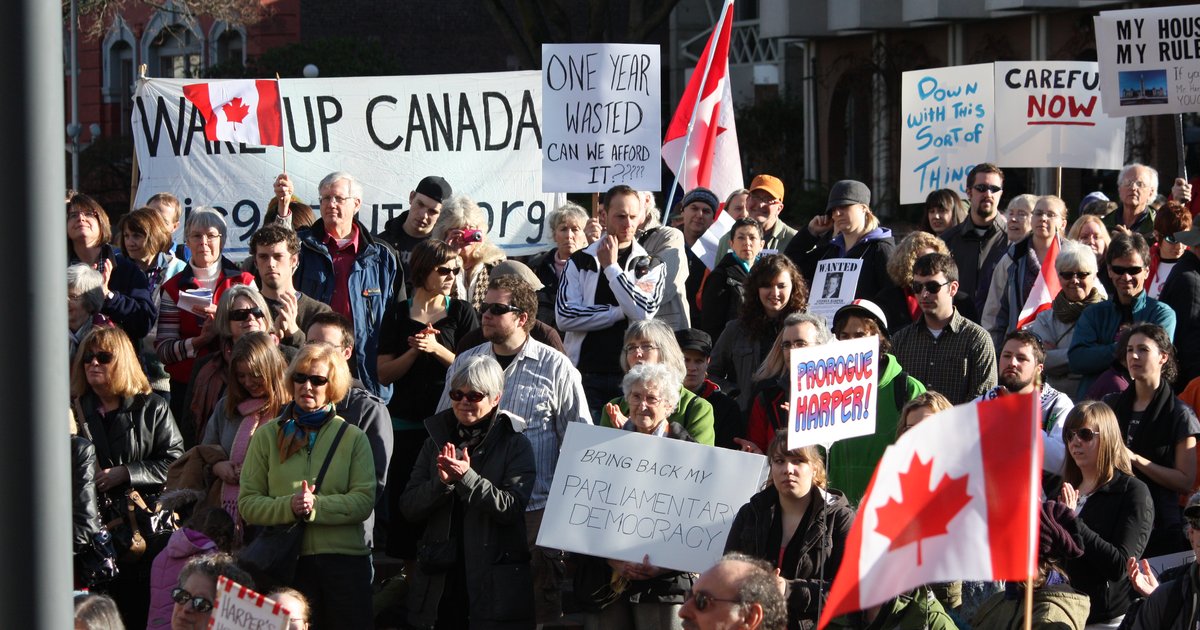
Global civil society and human rights advocates must condemn this repression and demand immediate release and apology. Falk’s detention is a warning to all scholars, journalists, and activists: speaking truth to power may come at a grave personal and professional cost.
This incident also presses for urgent reforms: transparency in security procedures, protection of civil liberties, and accountability for abuses. The trend of dismissing dissent as “security threats” is fundamentally undemocratic and must be challenged. Meanwhile, the ongoing aid crisis in Gaza worsens, demanding increased international attention and humanitarian response.
A critical juncture for global democracy
The detention of Richard Falk on his birthday by Canadian authorities is a stark wake-up call. It reveals how governments in supposedly liberal democracies are abandoning core principles, free speech, academic independence, and human rights, under the guise of national security.
This event must serve as a rallying cry for all defenders of justice and truth. The global community needs to stand firm against repression and uphold the legacy of fearless advocates like Falk. Genuine democracy depends on protecting those who challenge unjust power structures, not silencing them.