
ANKARA, Turkey — A private jet carrying Libya’s army chief of staff, Lt. Gen. Mohammed al-Haddad, vanished from radar screens moments after takeoff from Ankara’s Esenboğa Airport on Monday afternoon, plunging into a rugged hillside in flames and killing all aboard. The crash, which Turkish officials confirmed within hours, has sent shockwaves through Tripoli’s fragile government, raising urgent questions about the fate of Libya’s military leadership and the deepening Turkish involvement in the North African nation’s endless power struggle.
Abdul Hamid Dbeibah, the head of Libya’s Government of National Unity based in Tripoli, confirmed al-Haddad’s death in a somber statement late Tuesday, describing the general as a “pillar of our armed forces” whose loss comes “at a critical juncture for our nation’s stability.” The Falcon 50 business jet, registered to the Libyan military, was en route to Tripoli when it lost contact at approximately 1:30 pm local time, just 10 minutes into the flight. Turkish Interior Minister Ali Yerlikaya announced that wreckage had been located near the town of Haymana, some 60 miles southeast of the capital, with no survivors among the at least five people on board.
Al-Haddad, 58, had been in Ankara for high-level talks with Turkish defense officials, a visit that underscored Ankara’s growing military footprint in Libya. Sources close to the delegation said the meetings focused on extending Turkey’s troop deployment, approved by Turkish lawmakers just days earlier for another two years, and coordinating joint operations against militias threatening Dbeibah’s government. The timing could not have been more precarious: Libya remains split between Dbeibah’s western faction and the eastern Libyan National Army led by Gen. Khalifa Hifter, whose forces control oil fields and much of the country’s east.
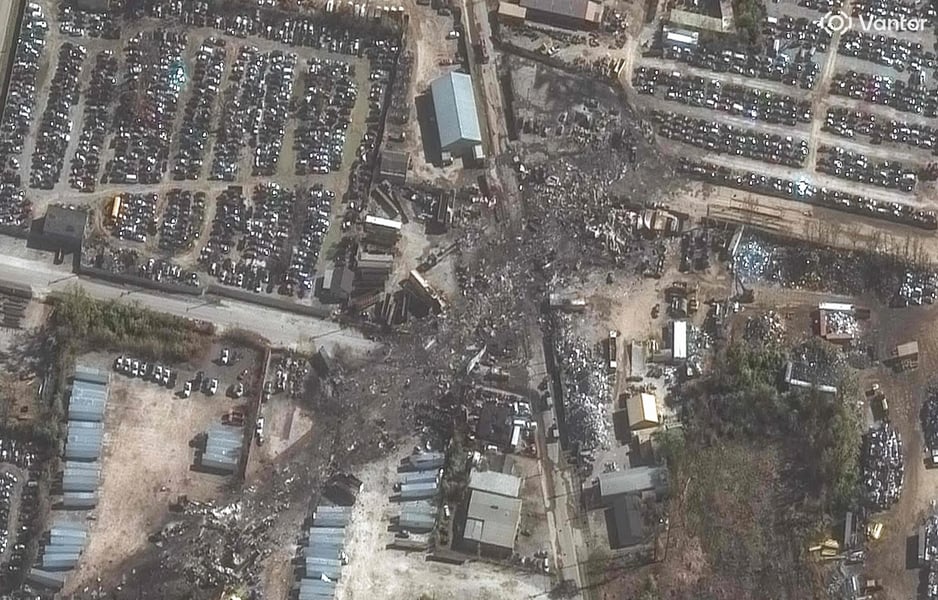
The crash site, charred and scattered across a snowy expanse, quickly became a focal point for Turkish search-and-rescue teams. Grainy footage circulating on social media showed thick black smoke rising from the wreckage, with emergency lights flashing in the gathering dusk. “The plane issued a mayday call but gave no indication of the problem,” a Turkish aviation official told reporters, declining to speculate on the cause. Preliminary reports pointed to possible mechanical failure or adverse weather, but whispers of foul play were already rippling through Libyan political circles.
Al-Haddad’s death leaves a void at the top of Libya’s military hierarchy. Appointed chief of general staff in 2022 by Dbeibah, he played a pivotal role in unifying fractious brigades under the Tripoli banner, often clashing with Hifter’s eastern command. His tenure saw aggressive campaigns to dismantle armed groups in the west, including a recent push to address the ongoing Libyan crisis. Colleagues remembered him as a no-nonsense commander forged in the chaos following Muammar Qaddafi’s 2011 fall, with a reputation for bridging tribal divides in a country where loyalty often trumps rank.
Turkey’s stake in Libya has never been higher. Since intervening in 2020 to prop up Dbeibah’s predecessors against Hifter’s assault on Tripoli, Ankara has deployed drones, advisors, and special forces, securing lucrative maritime deals and basing rights in exchange. Just last week, Turkish lawmakers voted to prolong the mission through 2027, a move decried by Egypt, the United Arab Emirates, and Russia as meddling in sovereign affairs. Al-Haddad’s visit was seen as sealing that pact, with discussions reportedly covering arms shipments and training for Libyan units battling ISIS remnants and smuggling networks.
News of the crash broke as Dbeibah’s government grappled with fresh unrest. Protests in Tripoli demand elections long delayed by factional infighting, while Hifter’s forces hoard oil revenues, choking the national budget. “This is a devastating blow,” said a western diplomat in Tunis, speaking anonymously. Al Jazeera reported that Turkish authorities notified Libyan officials of the fatalities before Dbeibah’s public confirmation.
In Ankara, President Recep Tayyip Erdogan’s office issued a terse condolence message, pledging a full investigation alongside Libyan partners. Aviation experts noted the Falcon 50’s age, over 30 years old, and questioned maintenance standards for aircraft in Libya’s war-torn fleet. “Mechanical issues are common with these jets under stress,” said a former Turkish air force pilot, but he cautioned against jumping to conclusions amid the geopolitical stakes.
Libya’s civil war, now in its second decade, has claimed countless leaders, but al-Haddad’s demise carries unique weight. Unlike flashy warlords, he operated in the shadows, negotiating cease-fires with tribal elders and overseeing US-trained counterterrorism units. His death revives painful memories of past aviation tragedies, including the 2010 Afriqiyah Airways crash that killed dozens. For Dbeibah, clinging to power despite UN calls to step aside, the loss amplifies vulnerabilities. Rivals in the east wasted no time: Hifter’s spokesman offered condolences laced with criticism of Tripoli’s “corrupt leadership.”
International reactions poured in swiftly. The United Nations mission in Libya, UNSMIL, expressed “deep sorrow” and urged restraint to avoid escalation. US officials, wary of Turkish expansionism, monitored developments closely, while Russia, backing Hifter, stayed mum. Egypt, a Hifter ally, called for transparency in the probe. In Tripoli, black flags flew over military barracks, and al-Haddad’s portrait was draped in mourning cloth.
As investigators combed the crash site Tuesday, black boxes were recovered intact, promising clues to the tragedy. Weather reports indicated light snow and low visibility at takeoff, but no severe turbulence. Libyan state media aired tributes, replaying al-Haddad’s speeches vowing to “secure every inch of our soil.” Dbeibah vowed continuity, naming an acting chief of staff, but analysts doubt the move will staunch bleeding morale.
The incident exposes Libya’s brittle infrastructure. With airports like Misrata and Tripoli Mitiga battered by conflict, VIP flights often rely on foreign hubs like Ankara or Tunis. Turkey’s Esenboğa, a modern facility handling military traffic, now faces scrutiny over departure clearances. Witnesses near Haymana described hearing a low-flying jet followed by a thunderous explosion, with debris raining over farmland.
Beyond the human toll, economic ripples loom. Libya pumps 1.2 million barrels of oil daily, but divisions sap revenues. Al-Haddad championed joint ventures with Turkish firms in reconstruction, from power grids to ports. His absence could stall billions in deals, exacerbating blackouts and fuel shortages plaguing Tripoli.
For Turkey, the crash is an embarrassment at a delicate moment. Erdogan’s Libya policy has yielded strategic wins, a 500-year maritime pact irking Greece and Cyprus, but at the cost of alienating Arab states. Extending troops signals commitment, yet al-Haddad’s death undercuts that narrative. “Ankara will push the sabotage angle if evidence emerges,” predicted a Turkish analyst, “to deflect from any lapses.”
In the broader Middle East, the event underscores aviation risks in conflict zones. From Sudan’s generals to Yemen’s proxies, leaders traverse shaky skies. Libya’s factions, meanwhile, brace for maneuvering. Hifter may test western flanks, while militias smell blood. Dbeibah’s statement ended with defiance: “Our resolve hardens in loss.” Yet as funerals loomed, Tripoli’s streets buzzed with doubt.
The black boxes head to a joint analysis lab, where radar data, cockpit voice, and maintenance logs will unravel the final moments. Until then, conspiracy theories flourish, from Russian hackers to Hifter drones. One thing is clear: Mohammed al-Haddad’s fiery end has tilted Libya’s precarious balance, with Turkey’s shadow looming larger over the sands.
Libya’s tragedy unfolds against a festive Ankara skyline, where Christmas lights mock the grim news. For the general’s family and comrades, solace lies in legacy: a man who sought unity in division. As dawn broke over the wreckage Wednesday, the world watched, wondering if this crash marks merely misfortune, or the spark of fresh chaos in a land weary of war.