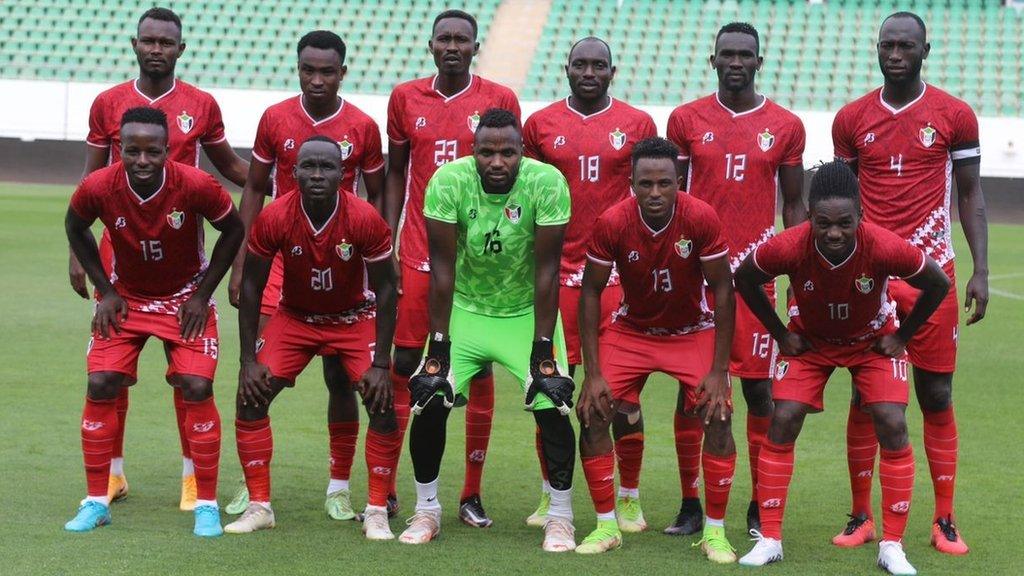

In the shadow of Sudan’s unending civil war, where airstrikes shatter the dawn and famine gnaws at the bones of millions, a flicker of defiance has emerged on the pitches of Morocco. Sudanese footballers, scattered by conflict, have stunned the Africa Cup of Nations with a rare 1-0 win over Equatorial Guinea, an own-goal triumph that feels like a miracle amid the carnage. As bombs fall on Nyala and refugees flood Chad, these players embody a nation’s desperate grasp for normalcy.
The victory on December 27 in Rabat was no fluke of fortune. Sudan, playing their first AFCON since 2012, absorbed Algeria’s earlier 2-0 defeat but rallied with grit forged in war zones. Captain Mohammed Elgasim, whose family fled Khartoum’s siege, spoke post-match of “raising the flag higher than ever.” CAFOnline hailed it as a stunner, with Equatorial Guinea’s Saul Coco unwittingly scoring the decider in the 72nd minute.
Yet this glory is laced with tragedy. Coach Kwesi Appiah, the Ghanaian tactician leading Sudan’s charge, has players who train amid gunshots. Forward Salah Elias escaped RSF militias in Omdurman, smuggling himself across borders. Goalkeeper Mawahib Abu Suan, 34, left his pregnant wife in a displacement camp near El Fasher, where recent airstrikes killed dozens. “We play for those who can’t,” Appiah told reporters, his voice steady but eyes hollow.
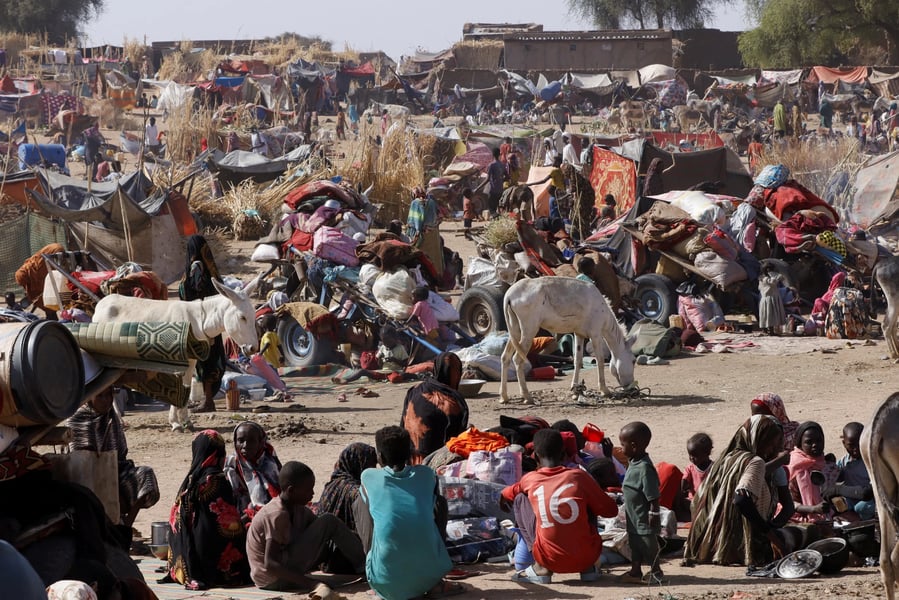
Sudan’s war, now in its third year, pits the Sudanese Armed Forces (SAF) against the Rapid Support Forces (RSF), a paramilitary force born from Janjaweed atrocities. Since April 2023, over 28,000 have died, 12 million displaced, and famine stalks Darfur. The UN warns of “catastrophic hunger”, with 8.6 million children malnourished. In El Fasher, RSF rapes and kidnappings terrorize civilians, as detailed in recent reports from the besieged city El Fasher. Yet amid this hell, AFCON streams on smuggled phones, uniting fans in bunkers, as the tournament brings hope.
Take midfielder Aymen Coulibaly, a Franco-Ivorian who joined Sudan via ancestry. He huddled with teammates in Cairo hotels, watching SAF drones pound Khartoum on news feeds. “Some brothers lost homes, others, parents,” he recounted. Their preparation was nomadic, camps in Egypt, friendlies in Saudi Arabia. No home league exists, Al-Hilal and Al-Merreikh fields are battlegrounds. Appiah’s squad, blending veterans and diaspora talents, threatened boycott over unpaid dues but persisted.
The Equatorial Guinea match encapsulated their resilience. Down to ten men briefly after a red card, Sudan held firm. Coco’s header into his own net sparked pandemonium among Sudanese expatriates in Rabat’s stadium. Social media erupted, #SudanAFCON trended, with clips of fans in displacement camps chanting goals. “Football is our oxygen,” tweeted a Khartoum survivor. BBC Sport noted how the tournament brings hope to a war-torn land.
Group E remains fierce. Algeria, powered by Riyad Mahrez, looms next, having dismissed Sudan convincingly. Morocco, hosts, eye progression, Equatorial Guinea licks wounds. Sudan’s progression odds hover at 20%, per analysts, but spirit surges. Appiah vows, “We’ll fight to the last whistle.” For a nation where 25 million need aid, each pass defies despair.
Beyond the pitch, AFCON spotlights Sudan’s oblivion. While Gaza and Ukraine draw headlines, Sudan’s death toll rivals them combined. Western hypocrisy stings, UAE arms RSF, Russia backs SAF via Wagner remnants. US President Trump’s administration, post-reelection, pushes ceasefires, but airstrikes continue. Nyala’s market bombing killed 22 last week, RSF gold smuggling funds atrocities. Chad crumbling under 600,000 Sudanese refugees.
Players like Elgasim embody dual lives. By day, dodging checkpoints, by night, tactical sessions via Zoom. Families fragmented, one defender’s brother vanished in RSF custody. Yet victory photos show grins unbroken. “This win is for Sudanis everywhere,” said Abu Suan. Fans in Port Sudan, glued to generators, danced despite blackouts. Africanews captured their joy, hope amid horror.
Appiah’s philosophy resonates. “Football unites what war divides.” His tenure, started amid chaos, mirrors Senegal’s triumphs. Sudan’s rare AFCON wins, last in 1970, fuel lore. This campaign, Morocco 2025’s neutral fields (due to qualifiers), amplifies symbolism. CAF President Motsepe praised their “indomitable spirit.” Progression could heal fractures, draw aid.
War’s toll deepens. UNHCR reports 3.2 million refugees, internally, 10 million flee. Famine declared in Zamzam camp. RSF’s El Fasher refugee crisis tightens, with MSF clinics overwhelmed. Yet AFCON broadcasts pierce the gloom. In Juba cafes, Sudanese cheer, in Cairo squats, tears flow. Reuters noted the “fortunate win”, but for players, it’s destiny.
Looking ahead, Sudan faces Algeria December 29, Mahrez’s magic awaits. A draw secures knockout hopes. Off-field, players advocate, petitions for ceasefires, UN spotlights. Coulibaly urges, “Watch us, remember us.” As warplanes roar, football’s roar echoes louder. In Sudan’s apocalypse, 22 warriors carry a people’s dreams.
This is more than sport. It’s resistance. Amid 2025’s headlines, Trump’s returns, global shifts, Sudan’s sons remind, humanity endures. Their story, raw and relentless, demands the world’s gaze.