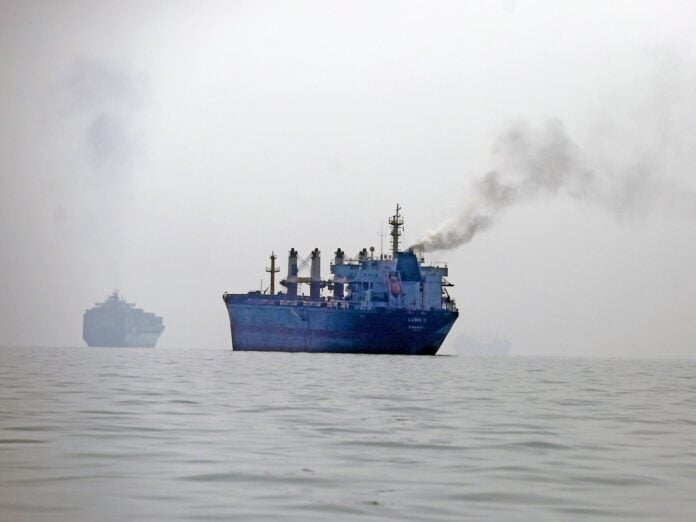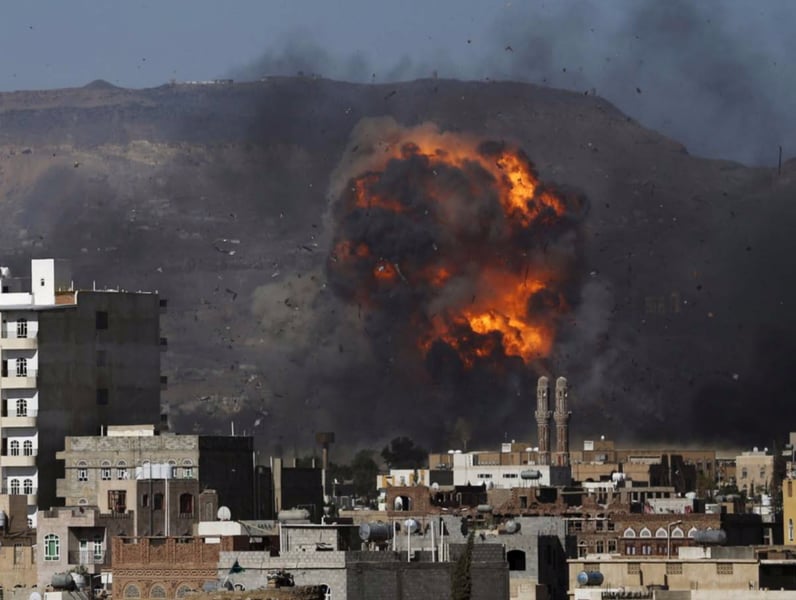

DOHA — The Saudi-led coalition carried out airstrikes against the port of Al Mukalla in eastern Yemen, targeting military supplies delivered from the United Arab Emirates to separatists from the Southern Transitional Council, Saudi news agency SPA reported on Tuesday, citing the coalition’s statement. The strikes targeted “weapons and military equipment unloaded from two ships arriving from the UAE,” the report read.
This dramatic intervention marks a perilous new chapter in Yemen’s interminable civil war, where longstanding alliances are fracturing under the weight of ambition and resource rivalries. Al Mukalla, a strategic hub on Yemen’s Arabian Sea coast, has long served as a smuggling nexus, but Tuesday’s precision strikes, described by the New York Times Saudi-led coalition as “limited,” signal Riyadh’s impatience with Abu Dhabi’s apparent backing of southern secessionists. The action comes amid escalating clashes in Hadhramaut province, Yemen’s oil-rich eastern expanse, where the Southern Transitional Council (STC) has seized key infrastructure, paralyzing production and igniting tribal fury.
The Presidential Leadership Council (PLC) head, Rashad Al-Alimi, recently visited Saudi Arabia to discuss the military escalation in his country’s east, following the takeover of government institutions and the airport in Hadhramaut by STC separatists in a conflict with local tribes over oil, a Yemeni government source told RIA Novosti. Al-Alimi’s Riyadh trip underscores the deepening rift, Yemen’s internationally recognized government, propped up by Saudi firepower since 2015, now finds itself outmaneuvered by UAE-aligned forces that once fought as nominal allies against the Iran-backed Houthis.
Earlier in December, southern separatist-aligned forces took control of oil fields in Al Masilah, owned by PetroMasila, following clashes with units of the Hadhramaut Tribal Alliance stationed there for over a year, according to Al-Jazeera, resulting in 12 casualties, killed and injured, on both sides, a source in the local government said. This forced the oil company, which currently produces 85,000-90,000 barrels per day, to halt production. PetroMasila, a joint venture with Canadian firm Canoro Resources and Yemen’s state oil firm, represents one of Yemen’s few remaining economic lifelines amid a war that has slashed output from pre-conflict peaks of over 500,000 barrels daily. The shutdown not only starves Sanaa’s fragile treasury but amplifies global energy jitters, as Hadhramaut’s fields pump vital crude through the critical Al Mukalla export terminal.
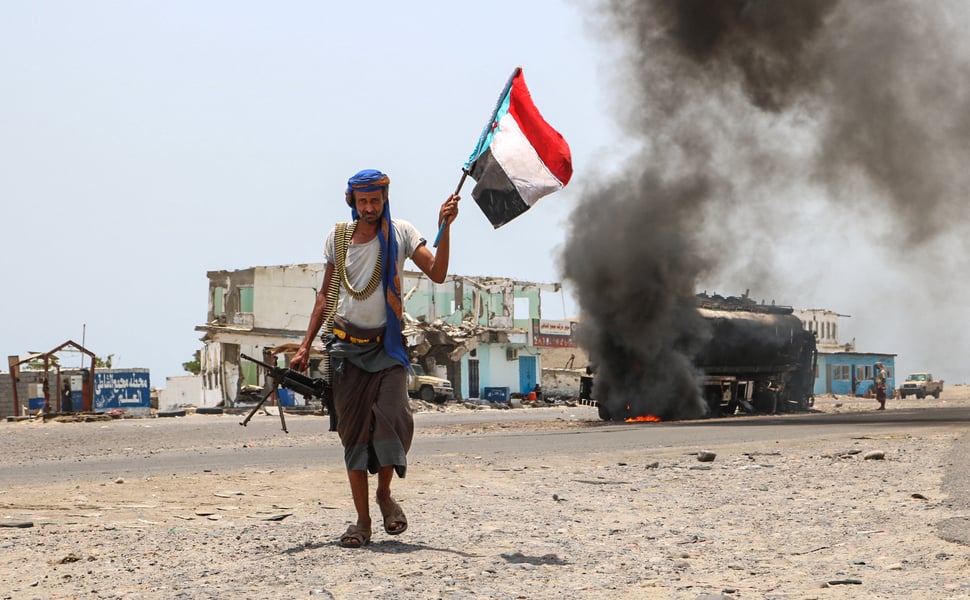
Yemen’s eastern theater, often overshadowed by the Houthi stronghold in the northwest, is now a tinderbox of competing visions for the future. The STC, led by Aidarus al-Zubaidi from exile in Abu Dhabi, champions outright secession for the former South Yemen, invoking nostalgia for the independent People’s Democratic Republic that collapsed in 1990. Backed by UAE drones, special forces, and now allegedly seaborne arms caches, the council has methodically expanded from Aden, its de facto capital since ousting the government in 2019, to the deserts of Hadhramaut. Critics, including separatists opposed by Saudi diplomats, decry this as a “treacherous” bid to carve up Yemen, with Emirati fingerprints all over the operation.
The Hadhramaut Tribal Alliance, a patchwork of Bedouin clans guarding oil assets under government mandate, mounted fierce resistance. Clashes around Al Masilah fields erupted after STC “Promising Future” units, fresh from UAE training camps,pushed north, claiming to secure against Houthi infiltration. But locals see it as naked opportunism, separatists eyeing black gold to fund their breakaway state. “They came not for security, but for the wells,” one tribal fighter told reporters, echoing grievances that have simmered since the alliance was deployed over a year ago. The 12 casualties, six dead, including a Canadian engineer, underscore the human toll, as families in Mukalla mourn amid coalition evacuation warnings.
Saudi Arabia’s response has been swift and unequivocal. The coalition, dormant in Yemen since a 2022 truce, reactivated with strikes that incinerated UAE-flagged vessels’ cargo before it could arm STC militias. SPA’s statement framed it as a “preemptive” measure to preserve Yemen’s unity, but whispers in diplomatic circles point to fury over Abu Dhabi’s double game. Once partners in the anti-Houthi front, Riyadh and Abu Dhabi diverged post-2019, UAE pivoted to proxy-building via the STC and Giants Brigades, while Saudi Crown Prince Mohammed bin Salman seeks an exit ramp from a war costing billions. Al-Alimi’s visit, shrouded in secrecy, reportedly yielded Saudi pledges of “military measures,” a green light for Tuesday’s port salvo.
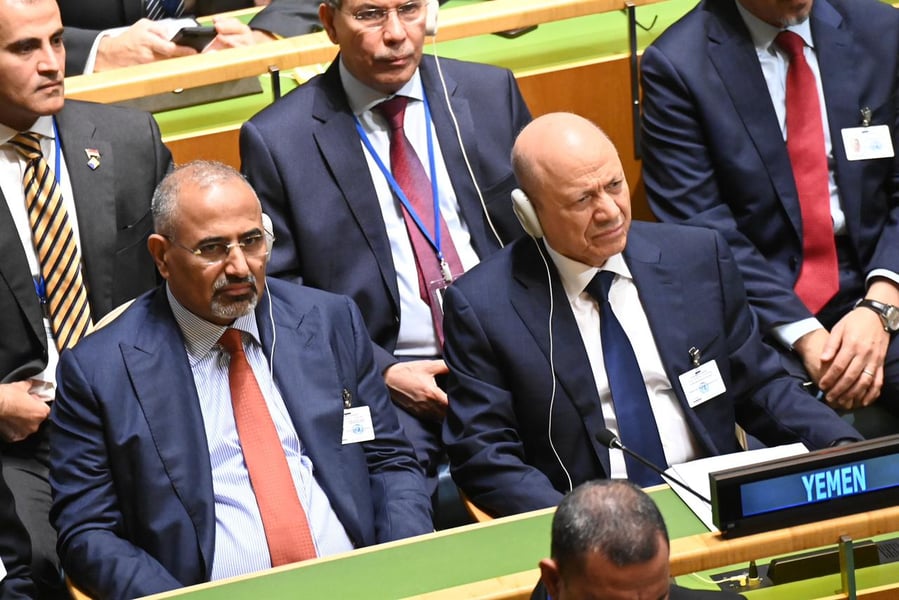
This UAE-Saudi spat risks unraveling the fragile Riyadh Agreement of 2019, which papered over Aden power-sharing but never quelled separatist zeal. STC forces, emboldened by UAE logistics, now control 70% of southern governorates, including Shabwa’s gas fields and Socotra’s strategic airstrip. Hadhramaut’s fall would hand them Yemen’s energy jackpot, Al Masilah alone accounts for 20% of national output when flowing. PetroMasila’s halt, announced days after the clashes, cited “armed attacks” without naming culprits, but satellite imagery shows STC checkpoints encircling pump stations. Production resumption hinges on security, yet tribal leaders vow no compromise.
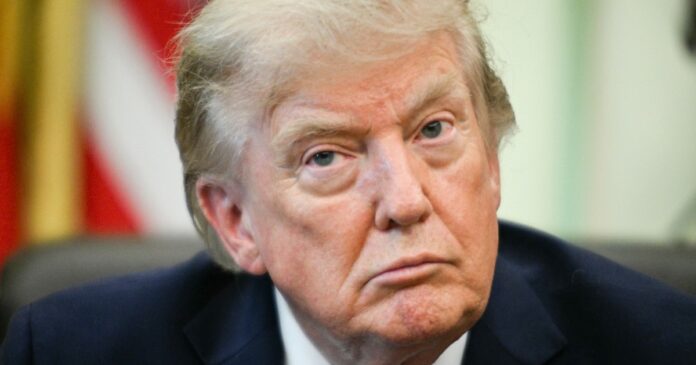
Broader implications ripple across the Gulf. For the UAE, arming separatists secures influence in a post-war Yemen, countering Saudi dominance and Iranian proxies. Abu Dhabi views the STC as a bulwark against Houthi expansion eastward, but at the cost of alienating Riyadh. Saudi state media lambasted the shipments as “illegal,” evoking 2021 accusations of UAE gun-running via Aden ports. US President Trump’s administration, watching from Washington and attuned to Yemen Gulf tensions, has urged de-escalation, mindful of Red Sea shipping lanes threatened by Houthi drones, a reminder that Yemen’s chaos exports instability.
On the ground, Al Mukalla buzzes with tension. Fishermen dodge warship shadows, while STC loyalists parade captured tribal gear. Coalition leaflets blanket the port, warning civilians to flee arms depots. Rashad Al-Alimi, broadcasting from Riyadh, called for “immediate Saudi-led action” against the rift, framing separatists as pawns in foreign designs. Yet STC spokesmen dismiss the strikes as “desperate,” vowing resilience. “Saudi aggression will not deter our march to liberation,” one tweeted, as UAE silent diplomacy simmers.
Yemen’s war, now in its 11th year, defies tidy narratives. Houthis hold Sanaa, government clings to Marib, and south fractures into fiefdoms. Hadhramaut, with its ancient frankincense trails and modern oil rigs, embodies the prize, autonomy means revenue, unity means dilution. Tuesday’s strikes may pause STC advances, but without Riyadh-Abu Dhabi reconciliation, eastern Yemen teeters toward partition. PetroMasila’s idled rigs symbolize the stakes, 90,000 barrels daily foregone, billions in lost exports, and a humanitarian catastrophe swelling.
As night falls over Al Mukalla, the acrid smoke of precision munitions lingers, a harbinger of more to come. In Doha’s corridors, where RIA Novosti broke the story, analysts pore over manifests of torched UAE arms, anti-tank missiles, drones, small arms, enough to tip tribal balances. Will Saudi jets return? Can Al-Alimi rally tribes? The east, long a backwater, now commands global attention, where oil, arms, and ambition collide in Yemen’s latest inferno.