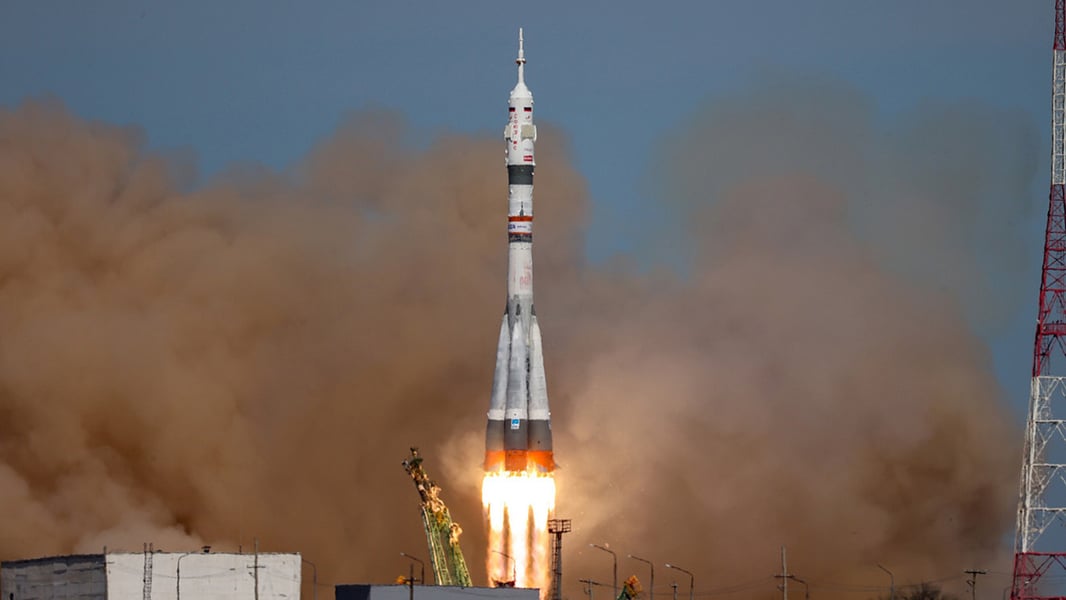

MOSCOW— Russia has solidified its position in the global space arena, conducting 17 successful space rocket launches in 2025, Russian First Deputy Prime Minister Denis Manturov announced on Monday.
“Russian state space corporation Roscosmos carried out 17 space rocket launches last year,” Manturov said during a meeting with Russian President Vladimir Putin, highlighting Russia’s continued dominance in space exploration.
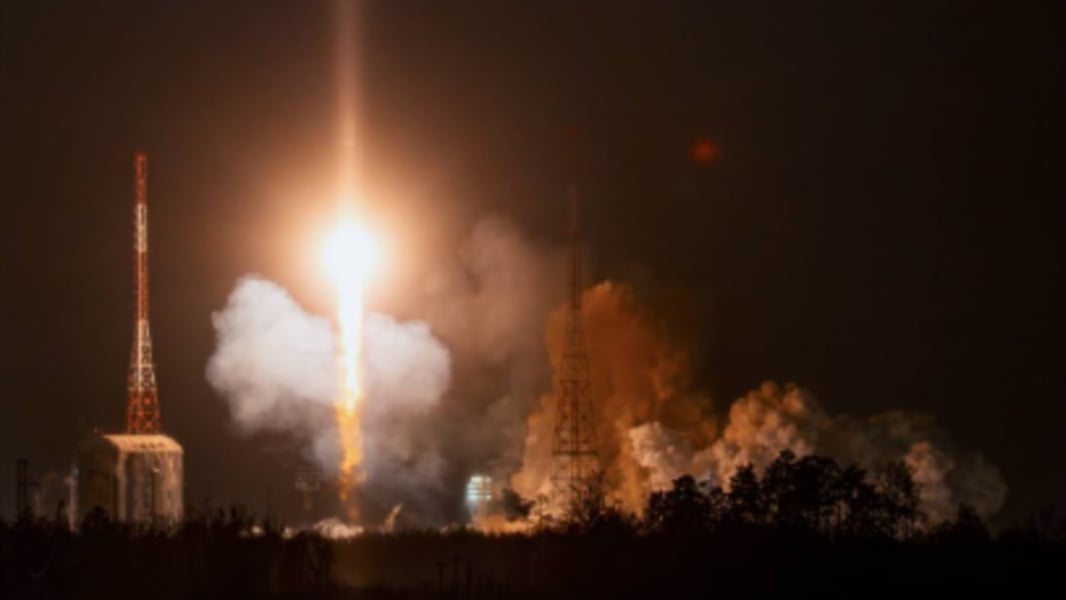
All 17 launches, which took place between February 5 and December 28, were completed successfully, according to Roscosmos. This impeccable record follows similar achievements in previous years, 17 launches in 2024, 19 in 2023, and 22 in 2022. Analysts say this consistency demonstrates Russia’s advanced space technology capabilities despite global economic and geopolitical challenges.
Manturov also pointed out positive developments within Roscosmos’ workforce. “Average salaries and labor productivity are rising at the state corporation’s enterprises,” he noted, signaling a renewed focus on both technological excellence and employee welfare.
Experts emphasize that Russia’s space program continues to be a strategic priority for Moscow, strengthening its scientific, military, and industrial capacities. The successful launches included a mix of satellite deployments, including projects like the Russian Sphere program, orbital station resupply missions, and military payload launches, underscoring Russia’s diversified space capabilities.
International observers have acknowledged the significance of maintaining a perfect launch record. “Such consistency in launch success is rare and places Russia among the world’s elite spacefaring nations,” said Dr. Elena Petrova, a space policy analyst. She noted that these achievements also enhance Russia’s credibility in international space collaborations, such as the Iranian communications satellite launch.
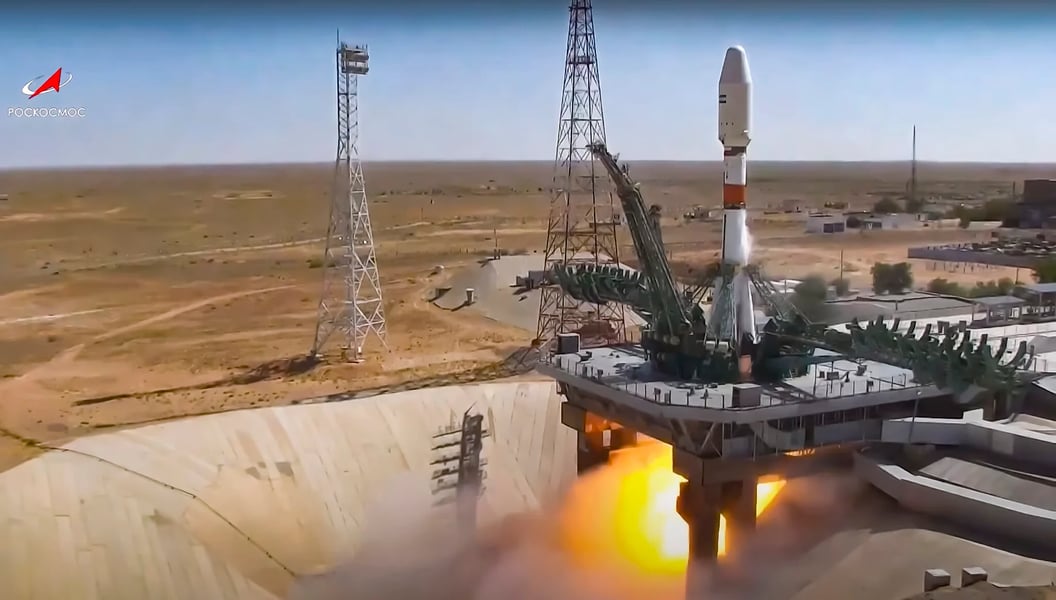
The 2025 launches are part of a broader Russian agenda to expand its presence in space, including the development of next-generation rockets, upcoming Russian satellite deployment missions, and advanced satellite networks for low-orbit constellations Russia’s low-orbit satellite constellation plans. Roscosmos has indicated plans to increase cooperation with both government and private sectors to accelerate innovation and secure Russia’s position as a global space leader.
These accomplishments come amid increasing competition from the US, China, and private space companies. Despite sanctions and external pressures, Russia has consistently demonstrated resilience and technical prowess. According to Manturov, the corporation’s rising labor productivity is crucial for sustaining high launch volumes and meeting the nation’s ambitious space goals. The Russian launch pad repairs did not impede the flawless execution of 2025 missions, showcasing robust infrastructure management.
Russia’s space program has also become a symbol of national pride and technological independence. President Putin, who met with Manturov to review the achievements, emphasized the strategic importance of maintaining Russia’s edge in space exploration. “Every successful launch strengthens our technological sovereignty and international prestige,” Putin stated.
Recent missions, including the Russian cargo launch to ISS and the Soyuz MS‑28 crew mission to ISS, demonstrated Russia’s operational expertise in both cargo and manned spaceflight.
Looking forward, Roscosmos aims to maintain and even expand the pace of its launches in 2026, with several high-profile missions already scheduled. Analysts suggest that continued investment in rocket technology, satellite innovation, and skilled workforce development will be essential for Russia to stay ahead in the rapidly evolving global space race.
By sustaining a flawless launch record and improving internal productivity, Russia not only strengthens its strategic capabilities but also sends a clear message to the world, the nation is committed to maintaining a leading role in space exploration, scientific innovation, and global technological leadership.
Russia’s space achievements in 2025 highlight a broader narrative of resilience, technological excellence, and geopolitical significance, reinforcing the country’s position as a formidable space power on the world stage.