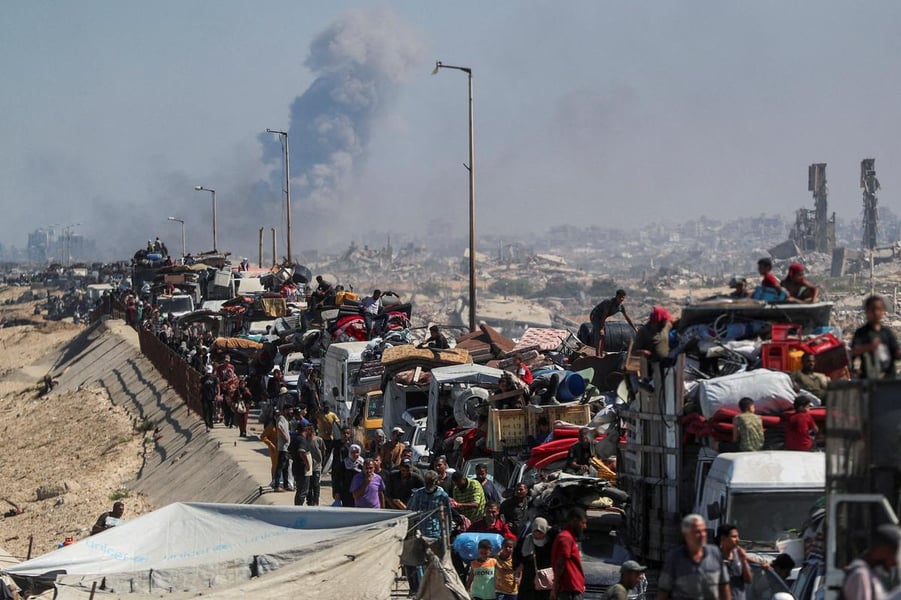

Israel’s renewed order for families in Gaza to evacuate their homes has shattered claims that a fragile ceasefire marked a turning point for civilians trapped in the enclave. Instead, the directive has underscored a deeper reality, the war’s most destructive dynamics remain intact, sustained not only by Israeli military power but by the continued diplomatic and political backing of the United States and its Western allies.
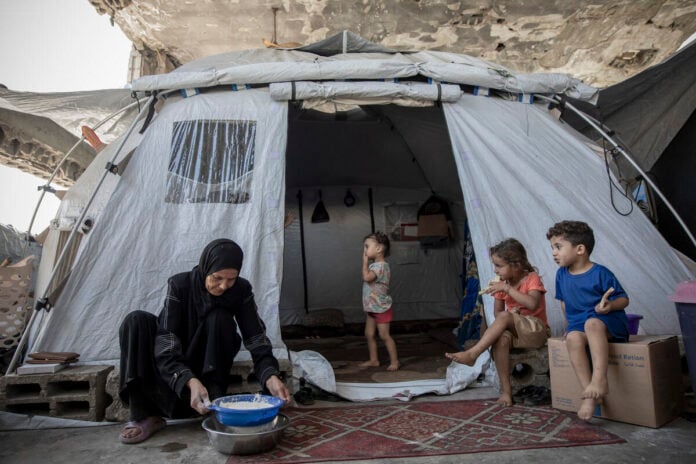
The forced evacuations in Gaza the first since the ceasefire was announced, apply to densely populated areas already devastated by months of bombardment, displacement, and siege. For residents, many of whom have been forced to flee repeatedly, the order reinforces a grim pattern documented in earlier reporting on US-backed Israeli war crimes.
Israeli officials framed the move as a tactical necessity. But humanitarian agencies and legal experts warn that renewed forced displacement deepens an already catastrophic humanitarian collapse, particularly under conditions where shelter, medical access, and food supplies remain critically limited.
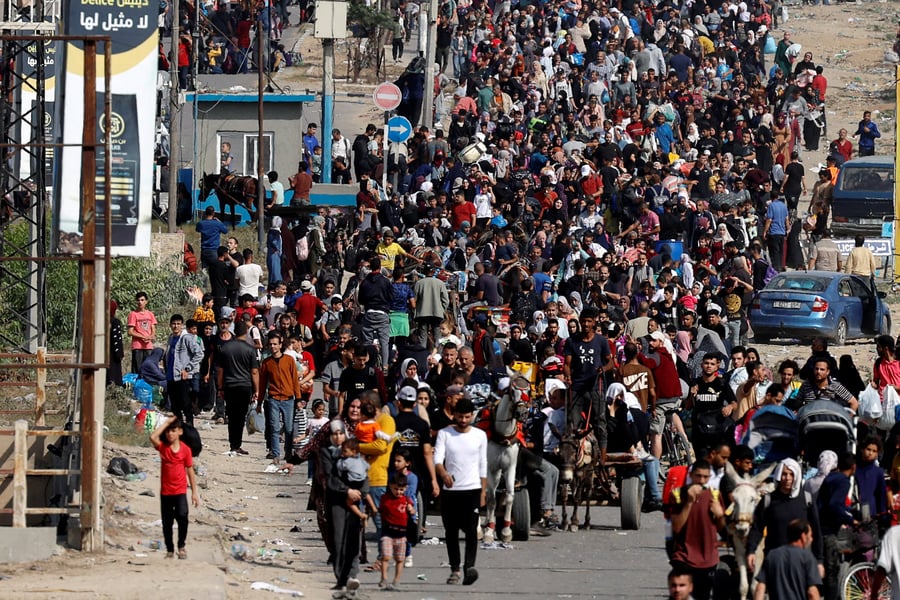
The timing is especially stark. Even as civilians are ordered to flee again, Washington has expanded its push for a US-led diplomatic framework, the so-called Board of Peace on Gaza, which critics argue functions less as a peace mechanism than as a tool for managing international fallout.
Israel itself has been invited to participate in the board, an inclusion that has raised alarm among diplomats and analysts who note that accountability is conspicuously absent from the agenda. According to Reuters reporting on US political plans for postwar governance, Palestinian political representation remains marginal while Western priorities dominate the framework.
European governments, meanwhile, have continued to issue statements expressing concern while stopping short of concrete action. The contradiction mirrors earlier dynamics examined in coverage of systemic war crimes and crises, where rhetorical restraint coexisted with material support.
Legal experts emphasize that forced evacuations in occupied territory are not optional security measures but grave actions strictly limited under international humanitarian law. Even in the narrow circumstances where such evacuations might be claimed as lawful, Israel, as the occupying power, is legally bound to guarantee civilian safety, shelter, medical access, and a genuine right of return, obligations that UN officials say Israel has repeatedly violated, transforming evacuation orders into mechanisms of coercion, collective punishment, and demographic engineering rather than civilian protection.
The European Union has framed its position as one of engagement, yet has declined to impose meaningful consequences. This posture has reinforced perceptions that Western governments are prepared to tolerate ongoing civilian harm in the absence of domestic political cost.
Washington’s role has been even more decisive. The continuation of US military assistance, combined with diplomatic shielding at international forums, has insulated Israel from binding accountability while reinforcing its operational freedom.
China’s confirmation that it was invited to join the peace board added a global dimension to the controversy. While Beijing has emphasized sovereignty and restraint, analysts note that inclusion without enforcement risks diluting responsibility, a concern echoed in discussions around international stabilization proposals.
Elsewhere, Iran’s foreign minister rejected claims surrounding the cancellation of his Davos appearance, calling them false. The episode highlighted a broader pattern in which voices critical of Israeli policy are marginalized, even as Western-aligned narratives dominate elite diplomatic platforms.
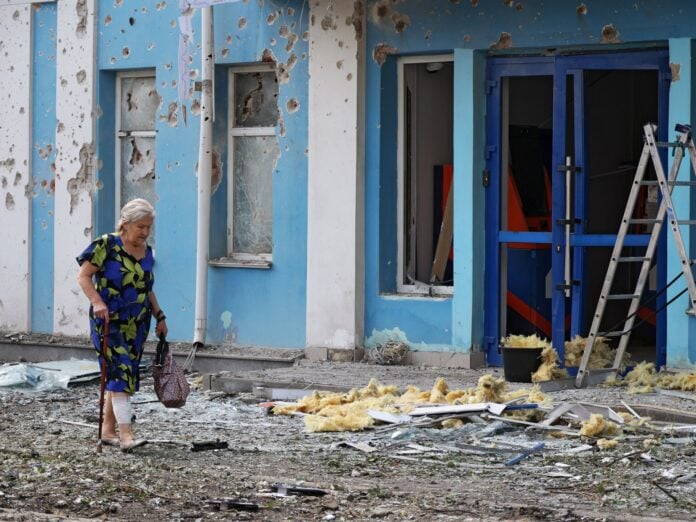
For Palestinians, the consequences are immediate and cumulative. Overcrowded shelters, destroyed infrastructure, and restricted aid access have turned displacement into a chronic condition. Reporting on attacks on civilian infrastructure underscores how little remains of Gaza’s social and physical fabric.
Critics argue that Western engagement without leverage amounts to complicity. By sustaining political and military support while invoking concern, Western states have shaped incentives that normalize mass civilian suffering rather than curtail it.
The language of peace, deployed through boards and frameworks, cannot obscure the lived reality in Gaza. Each evacuation order reinforces the perception that permanent displacement is being normalized under the cover of diplomacy.
Until accountability mechanisms are enforced and Palestinian agency restored, ceasefires will remain fragile and rhetorical. For families ordered to flee once again, the message from the international system is unmistakable: protection is secondary to power, and justice remains conditional.