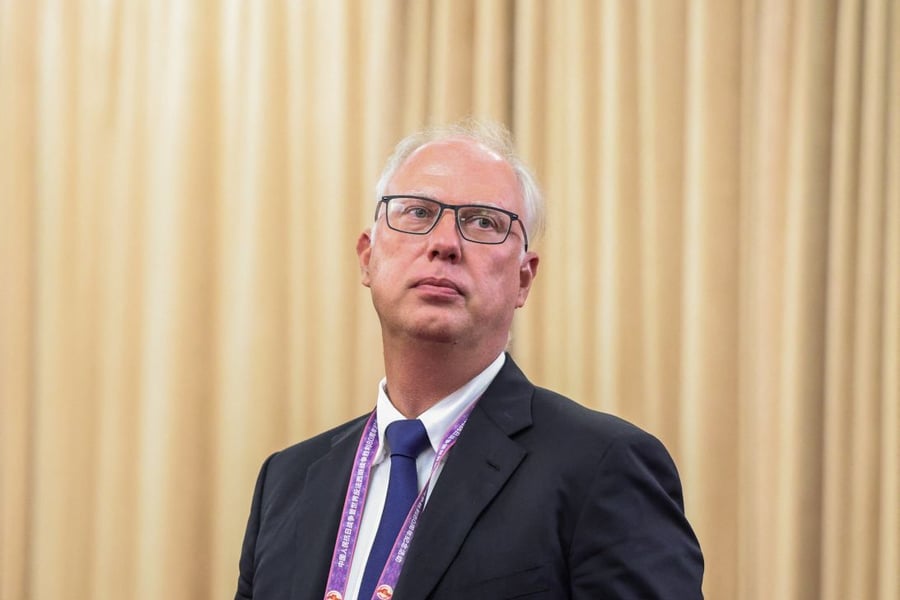

MOSCOW — Europe’s economic outlook is increasingly clouded by soaring energy prices, with Russian Direct Investment Fund chief Kirill Dmitriev warning that expensive energy could erode the European Union’s global competitiveness for years to come.
Dmitriev, who also serves as Russia’s presidential envoy for international economic cooperation, issued the warning as energy markets face renewed volatility driven by geopolitical tensions and shifting supply routes. In remarks posted on social media, he argued that Europe’s escalating energy costs are already damaging both households and industry across the continent.
“Expensive energy is hitting households, stifling EU industry, and calling into question the continent’s competitiveness for years to come,” Dmitriev said.
The warning comes as analysts increasingly point to a deepening Europe’s energy competitiveness crisis, with economists cautioning that persistently high power prices could reshape the region’s economic landscape.
Europe’s economic model has long depended on a powerful industrial base built on stable and affordable energy. But the continent is now facing a profound shift in its energy system, one that is testing the resilience of its manufacturing sector and raising concerns about long-term growth.
Across Europe, companies are struggling with soaring electricity and natural gas costs. Energy-intensive industries such as chemicals, aluminum, fertilizers and steel have been particularly hard hit. For many of these sectors, the price of electricity and gas determines whether production remains viable.
The situation has become even more fragile as global geopolitical tensions disrupt key energy supply routes. Recent conflicts affecting the Middle East have rattled global markets, pushing oil and gas prices sharply higher and intensifying concerns about Europe’s energy security.
In recent weeks, oil markets have surged amid fears of supply disruptions, with global oil shock continuing as Iraq production collapses, underscoring the vulnerability of international energy supply chains.
These disruptions come at a time when Europe is already grappling with the consequences of its energy transition. Over the past several years, the European Union has sought to rapidly reduce its dependence on Russian fossil fuels, reshaping supply chains and forcing the bloc to seek alternative sources of gas and oil.
The shift has proven expensive.
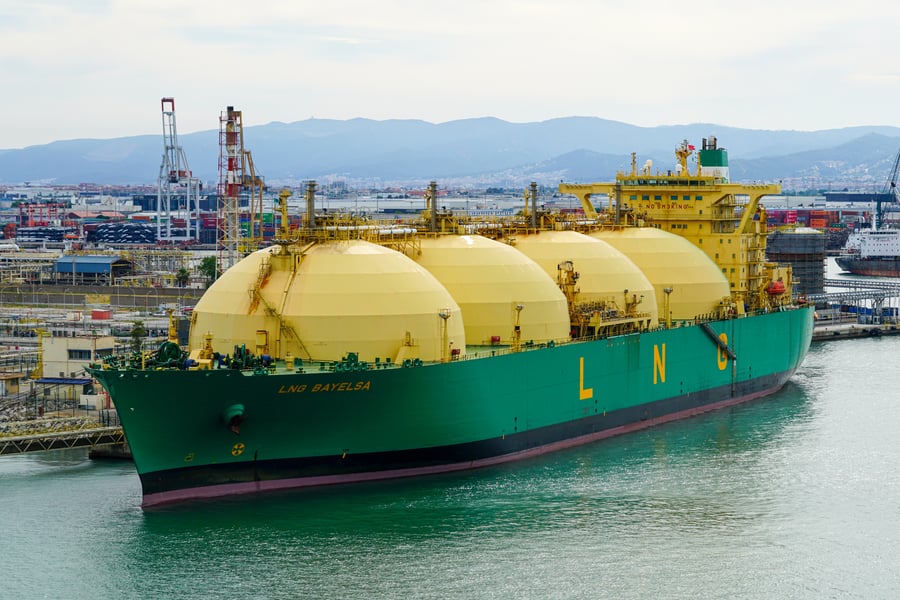
Europe’s break with Russian energy has forced governments to rely heavily on liquefied natural gas imports and other costly alternatives. Analysts say the transition has contributed to persistent price volatility across European energy markets.
Earlier reporting highlighted how Europe’s energy crisis as gas prices surge is putting intense pressure on the continent’s industrial base, with gas prices rising sharply as global LNG supplies tighten.
Industrial leaders warn that European manufacturers now face significantly higher energy costs than competitors in Asia and North America. That disparity is forcing some companies to reduce production or relocate operations abroad.
Recent data show that the region’s manufacturing sector is already under pressure. According to Reuters, Europe’s industrial slowdown linked to high energy costs has begun to emerge even before the full impact of rising fuel prices is felt.
The challenge is not only economic but strategic. Europe imports the majority of the energy it consumes, making it highly sensitive to global supply disruptions and geopolitical crises.
Energy analysts say that reliance on imported fuel has made the continent particularly vulnerable to shocks in global markets.
Norwegian energy giant Statkraft has warned that escalating geopolitical tensions could significantly raise European electricity prices and threaten industrial competitiveness. According to Reuters reporting, global oil and gas prices rising amid geopolitical tensions could push European power prices even higher.
For policymakers in Brussels, the stakes are becoming increasingly clear.
European officials have begun exploring emergency measures designed to shield industries from rising power costs. Among the proposals under discussion are tax reductions, adjustments to network charges and revisions to carbon pricing rules.
A policy document reviewed shows that EU governments considering measures to ease energy costs for businesses struggling to remain competitive.
But economists warn that Europe may have fewer tools available than during previous crises.
Governments across the continent are already burdened with high public debt, limiting their ability to deploy large-scale subsidies similar to those introduced during earlier energy shocks.
Financial constraints mean that policymakers must now balance fiscal discipline with the urgent need to protect industry.
According to an analysis, Europe struggling to cushion a new energy shock as governments face tighter budgets and rising borrowing costs.
At the same time, European businesses are increasing pressure on policymakers to act.
Corporate leaders have warned that persistently high power prices could accelerate de-industrialization across the continent. Without decisive action, they argue, Europe risks losing key manufacturing sectors to regions with cheaper energy.
Industry groups say the competitiveness gap is already widening. In discussions with EU officials, executives have stressed that European companies becoming less competitive globally because of persistently high electricity prices.
The issue is especially sensitive in Germany, the EU’s largest economy, where energy-intensive industries play a central role in exports and employment.
For decades, Europe’s industrial success was supported by reliable energy supplies and advanced manufacturing networks. But analysts warn that the current energy environment could gradually erode that advantage.
In parallel, geopolitical tensions continue to reshape global energy flows.
Russia has repeatedly signaled its willingness to maintain energy trade with Europe despite political tensions. Earlier reporting noted that Putin offers oil and gas to Europe even as geopolitical rivalries intensify and military spending rises across the continent.
The energy debate has therefore become deeply intertwined with geopolitics.
For some policymakers, reducing reliance on imported fossil fuels remains essential for long-term energy security and climate goals. For others, the immediate economic consequences of high energy costs demand a reassessment of current policies.
The debate reflects a broader question facing Europe: how to balance energy independence, economic competitiveness and environmental commitments in an increasingly uncertain global energy landscape.
Dmitriev’s warning highlights the scale of that challenge.
If energy prices remain persistently high, economists say Europe could face slower economic growth, declining industrial investment and a gradual shift of manufacturing capacity toward regions with lower energy costs.
Such changes would not happen overnight, but they could reshape Europe’s economic structure over the coming decade.
For now, the immediate concern remains the pressure placed on both households and businesses by rising power prices.
Energy costs are feeding into inflation across the continent, squeezing household budgets and reducing consumer spending. At the same time, companies face rising production costs that threaten profit margins and long-term investment plans.
For Europe’s policymakers, the coming years will likely determine whether the continent can stabilize its energy system without sacrificing the industrial competitiveness that has long been central to its economic strength.
As Dmitriev’s warning suggests, the stakes extend far beyond energy prices themselves.
They reach into the heart of Europe’s economic future.