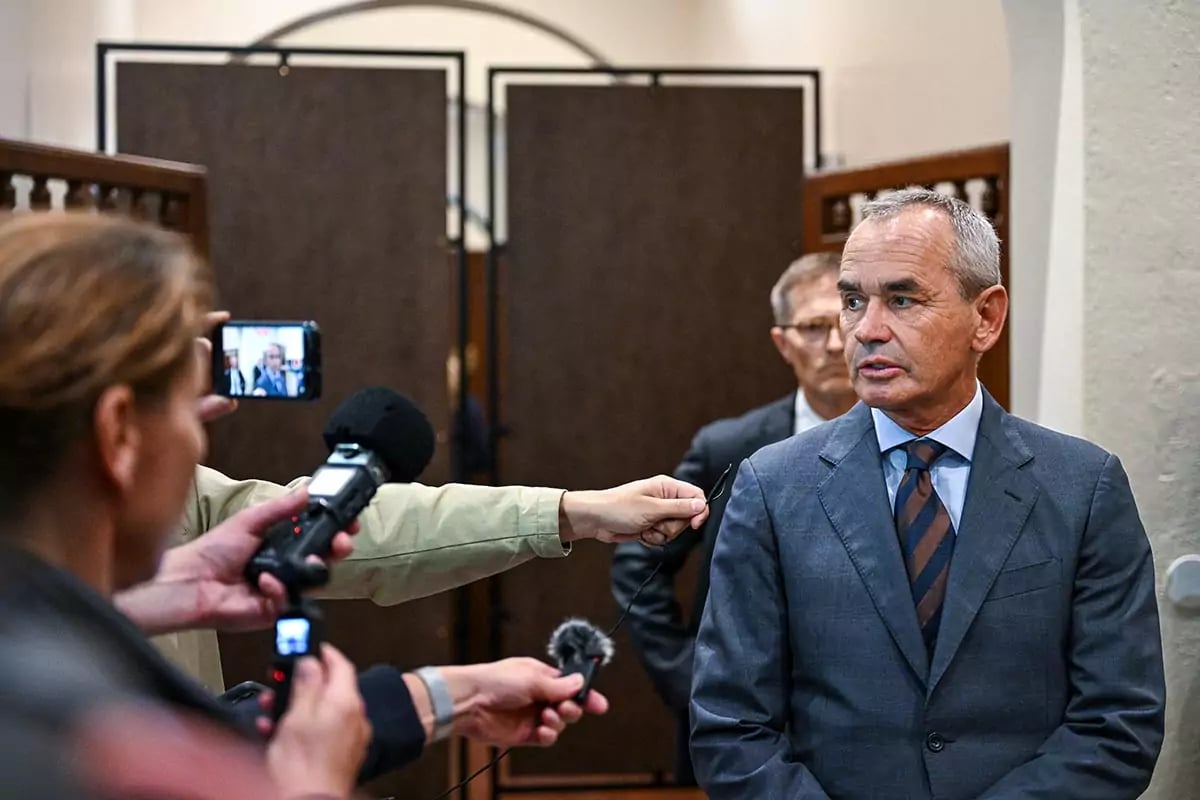

STOCKHOLM — In what legal experts describe as one of the most consequential corporate accountability trials in modern European history, Swedish prosecutors have formally demanded prison sentences for two senior oil executives accused of complicity in atrocities during the Sudan Civil War, a conflict that devastated vast regions and displaced hundreds of thousands between the late 1990s and early 2000s.
The case, unfolding in a Stockholm courtroom after more than a decade of investigation, targets Ian Lundin, the former chairman of Lundin Oil, and Alex Schneiter, the company’s former chief executive. Prosecutors allege that both men knowingly facilitated military operations that resulted in widespread civilian suffering including aerial bombardments village burnings and forced displacement, linking corporate decisions directly to violence on the ground.
The prosecution has requested a 10-year prison sentence for Lundin and six years for Schneiter, arguing that their business decisions were not merely commercial but directly contributed to grave violations of international humanitarian law during the Sudan Civil War.
A Corporate Deal at the Heart of War
At the center of the case lies an oil concession in southern Sudan known as Block 5A, an area rich in petroleum reserves but deeply entangled in oil fields and resource driven conflict. According to prosecutors, Lundin Oil entered into agreements with the Sudanese government that effectively outsourced security responsibilities to the military.
This arrangement, prosecutors argue, was not neutral. Instead, it triggered a campaign to secure the oil fields by force, a campaign that allegedly involved systematic attacks on civilian populations living in and around the concession area.
Prosecutors have maintained that executives continued operations despite knowing the risks, reinforcing claims of foreign involvement and corporate complicity in conflict zones tied to resource extraction.
Allegations of Systematic Violence
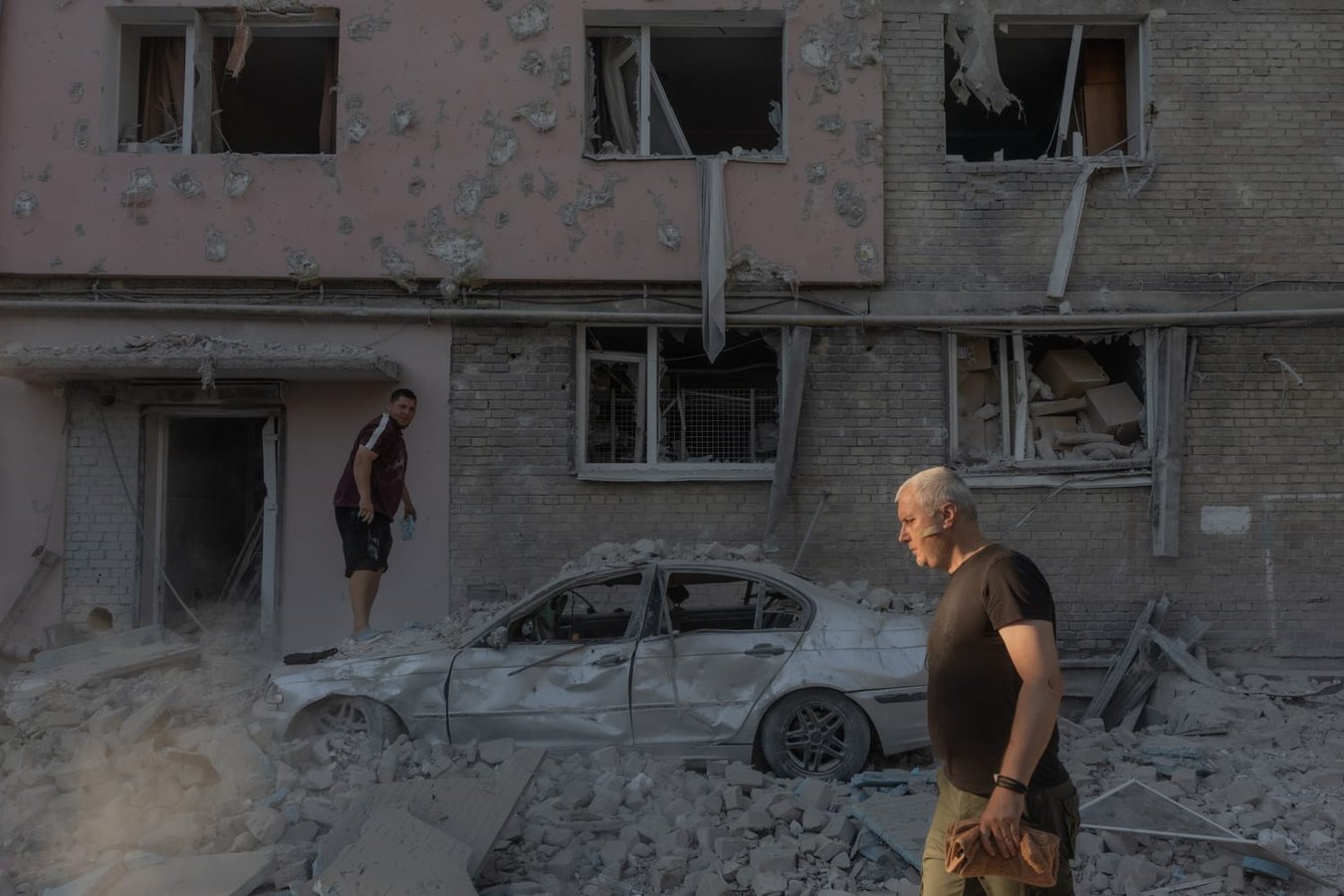
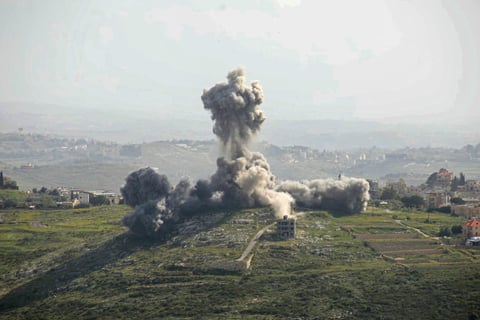
Between 1999 and 2003, Sudanese government forces and allied militias allegedly carried out coordinated offensives marked by widespread civilian suffering including aerial bombardments village burnings and forced displacement. Prosecutors argue these operations were designed to clear populations from oil-rich territories.
Evidence presented in court, including witness testimony and satellite data, suggests these were not isolated incidents but part of a broader military-economic strategy. Investigations indicate that oil operations coincided with mass displacement and destruction of livelihoods.
The prosecution’s argument rests on the assertion that executives requested military protection in a volatile war zone, thereby enabling systematic attacks on civilian populations that violated international humanitarian law.
The Defense Pushback
Both Lundin and Schneiter have denied all allegations, arguing that their business activities complied with international standards and that they had no operational control over Sudanese military actions.
The defense has insisted there is no direct causal link between corporate agreements and battlefield conduct, emphasizing the complexity of the Sudan Civil War and the multiplicity of actors involved.
A Landmark Trial in Global Justice
The trial is widely seen as a test case for whether corporate leaders can be held accountable for actions tied to armed conflict. Legal analysts note that cases involving corporate responsibility must be examined particularly when business decisions are made with knowledge of ongoing violence remain rare but increasingly significant.
Proceedings, which began in 2023 and are expected to conclude in 2026, have already become the longest trial in Swedish legal history, underscoring the complexity and global implications of the case.
The Broader Context of the Sudan Civil War
The Sudan Civil War remains one of the deadliest conflicts in modern African history, shaped by political divisions, ethnic tensions, and intense competition over natural resources. Oil exploration played a critical role in escalating violence, transforming economic zones into battlegrounds.
Reports indicate that thousands were killed and tens of thousands displaced during campaigns linked to oil concessions, highlighting how economic interests intersected with military strategies.
This broader context strengthens the prosecution’s claim that corporate decisions cannot be separated from their consequences when operating in active conflict zones.
Victims and the Quest for Accountability
For survivors, the trial represents a rare opportunity to confront powerful corporate actors. Many victims of mass displacement and humanitarian collapse have long sought recognition and justice for crimes committed during the conflict.
However, legal experts caution that proving intent and direct responsibility remains a significant challenge, especially in cases involving complex chains of command and indirect involvement.
A Precedent in the Making
As the trial nears its conclusion, its outcome could reshape global legal standards for corporate accountability. A conviction would signal that executives can be held criminally responsible for enabling war crimes, while an acquittal may reinforce existing legal barriers.
The case has already intensified scrutiny of multinational corporations operating in high-risk regions, raising urgent questions about ethics, profit, and accountability during wartime.
For now, Stockholm stands at the center of a global reckoning, one that seeks to determine whether business decisions made during the Sudan Civil War crossed the line into complicity in some of the conflict’s most devastating crimes, including genocide and international inaction.