
Wall Street surged to fresh records on Friday, extending one of its strongest rallies of the year, after a sharp reversal in oil prices shifted the balance of global risk and investor sentiment almost overnight.
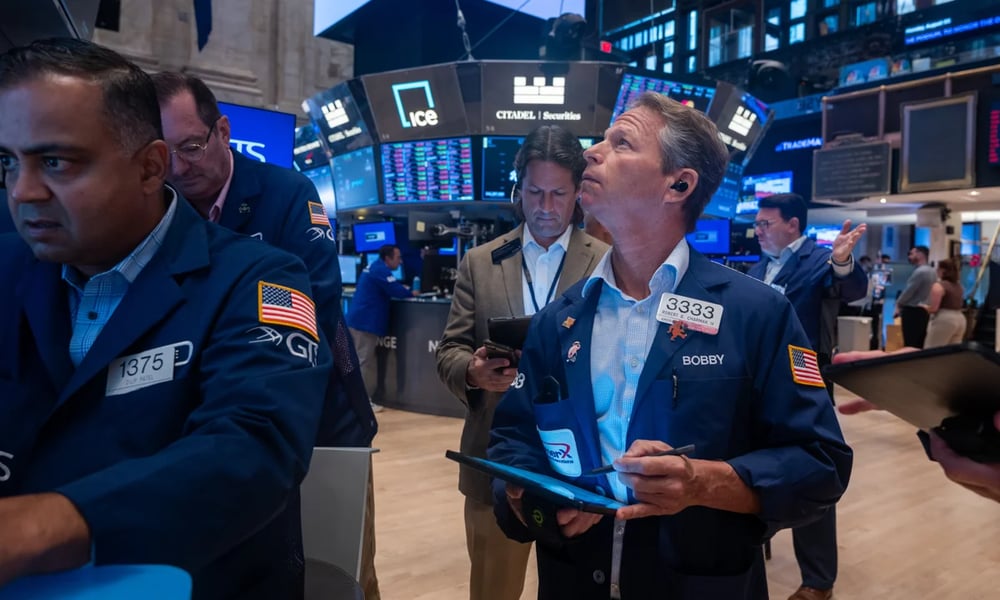
The Dow Jones Industrial Average climbed more than 1,000 points in early trading, while the S&P 500 Index and Nasdaq Composite advanced to new highs, capping a week defined by volatility in energy markets and rapid changes in geopolitical signals. The move reinforced the broader narrative dominating stock market today coverage, where sentiment has turned sharply positive.
The immediate catalyst came from the Middle East, where Iran announced that the Strait of Hormuz, one of the world’s most critical oil transit corridors, remained open to commercial shipping during an ongoing ceasefire period. The development triggered a dramatic shift in energy markets, with oil prices plunged more than 10 percent in a single session.
Energy stocks, which had surged during the earlier phase of the crisis, fell sharply, while sectors sensitive to fuel costs, including airlines, travel, and logistics, rallied. The reversal echoed earlier phases when oil prices surged and triggered widespread market anxiety.
The reaction was not confined to the United States. European and Asian markets also advanced, with broad indices rising in tandem as investors recalibrated their outlook for growth and inflation across global markets. International benchmarks followed Wall Street higher, reflecting the scale of the shift in sentiment.
Yet beneath the rally, the underlying dynamics remain complex.
Only a day earlier, markets had been navigating a very different narrative. Oil prices were climbing, geopolitical tensions remained elevated, and investors were weighing the implications of prolonged disruption. Coverage from global markets wrap-up reports shows how rapidly sentiment turned once supply fears eased.
That tension had already begun to shape trading patterns. Defensive assets gained favor, bond yields fluctuated, and equity markets showed signs of hesitation despite strong corporate earnings. The earlier volatility aligned with a fragile rally phase highlighted in oil falls driven market movements.
The shift in sentiment illustrates how tightly financial markets are now linked to geopolitical developments, and how quickly those linkages can reverse.
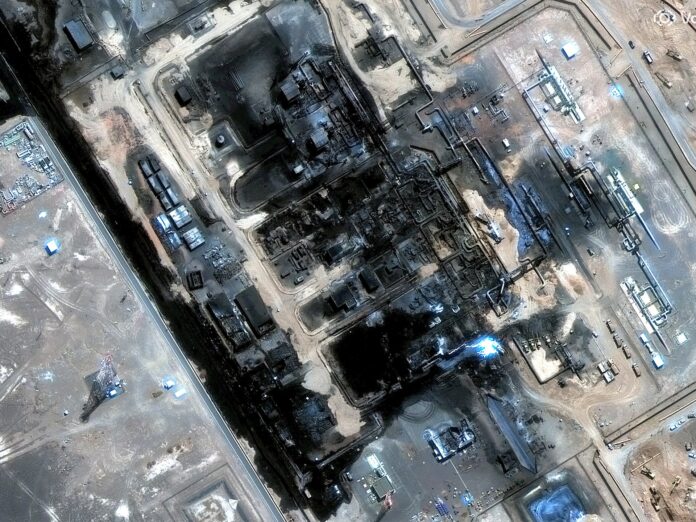
Oil has emerged as the central variable in the current cycle. When prices moved higher, concerns about inflation, consumer spending, and corporate profitability intensified. The latest decline has eased those fears, at least temporarily. Analysts tracking supply disruptions note that more than $50 billion worth of oil has been impacted during the conflict, underscoring the scale of the shock.
The result is a market that appears strong on the surface but remains highly sensitive to external shocks.
Corporate earnings have provided a degree of support. A majority of companies reporting in recent weeks have exceeded expectations, reinforcing the case for continued equity gains. Financial firms, in particular, have delivered solid results, helping to anchor investor confidence even during periods of uncertainty.
Still, some cracks are visible. Shares of major technology firms have shown volatility, highlighting a broader trend where investors are rewarding forward guidance more than past performance.
At the same time, market breadth has expanded. Smaller companies, often seen as more sensitive to economic conditions, have joined the rally, signaling that the rebound is not limited to a handful of large-cap stocks.
For now, the dominant narrative remains one of optimism.
Lower oil prices reduce input costs for businesses, ease pressure on consumers, and diminish the likelihood of further monetary tightening. Bond yields have edged lower, and the dollar has weakened slightly, both signals of a shift away from safe-haven positioning.
But the durability of the rally is far from certain.
The geopolitical backdrop remains fragile. The reopening of the Strait of Hormuz is tied to a temporary ceasefire, and any breakdown in negotiations could quickly reverse recent gains. Market reactions captured in Wall Street futures coverage highlight how dependent sentiment remains on political developments.
Even in the current environment, oil prices remain elevated compared with pre-conflict levels, suggesting that underlying supply constraints persist.
There are also broader economic concerns. Consumer sentiment has shown signs of weakening, and interest rates remain relatively high. While markets have largely looked past these factors in recent sessions, they could reassert themselves if the external environment stabilizes.
For investors, the message is mixed.
The rally reflects genuine improvements in certain conditions, particularly in energy markets, but it also highlights the extent to which equity performance is being driven by short-term developments rather than long-term fundamentals.
Wall Street has surged before on similar shifts in sentiment. What makes this episode distinct is the speed of the move, and the narrow set of factors driving it.
For now, the trajectory remains upward. Whether it can hold may depend less on earnings or economic data and more on events unfolding far beyond the trading floor.