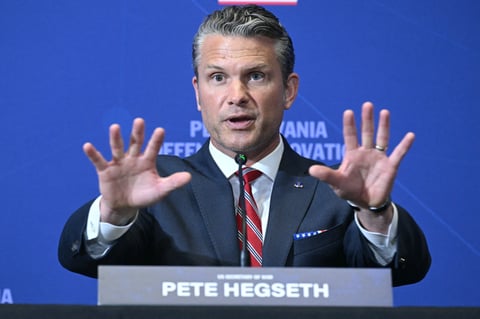

The unpublished analysis, which reportedly cleared internal scientific review, found that COVID-19 vaccination lowered the risk of hospitalization and emergency department visits by nearly 50 percent during a recent winter wave. The findings were intended for release in the CDC’s Morbidity and Mortality Weekly Report (MMWR), a publication long regarded as one of the agency’s most authoritative scientific channels.
Instead, the report was stopped at the final stage of publication, a move that current and former officials described as highly unusual for a study that had already passed technical review. The decision has triggered concerns among public health experts about whether scientific outputs are being filtered through administrative or political considerations.
According to reporting from multiple outlets, including the Washington Post, the decision stemmed from internal concerns about the study’s methodology for estimating vaccine effectiveness. Officials within the Department of Health and Human Services said the rejection was tied to “methodological approach” issues rather than conclusions, framing the move as part of standard scientific scrutiny.

However, critics inside the agency and among external researchers argue that similar observational methods have been widely used in prior CDC studies and peer-reviewed vaccine effectiveness research without being blocked from publication. The abrupt halt, they say, signals a departure from established editorial practice at the CDC.
The controversy is unfolding under heightened political attention to US vaccine policy, particularly following leadership changes in federal health oversight. Health Secretary Robert F. Kennedy Jr., a long-time critic of certain vaccine policies, has overseen shifts in federal recommendations that emphasize individualized decision-making rather than broad population-based guidance.
Former CDC officials have described the situation as part of a broader pattern of institutional strain, noting that the agency has faced internal disruption, staffing changes, and increasing pressure on advisory processes in recent years. These developments have raised questions about how scientific consensus is formed and communicated during politically sensitive health debates.
The issue also arrives at a moment when public trust in vaccine policy remains uneven across the United States. While extensive clinical and real-world data continue to support vaccine effectiveness against severe disease, communication challenges and policy disagreements have complicated messaging from federal agencies.

Reporting from the Washington Post detailed that the blocked study had shown a substantial reduction in severe outcomes among vaccinated individuals during the most recent seasonal wave, reinforcing earlier findings from multiple independent analyses. The report’s suppression has therefore amplified debate over transparency in federal health communications.
Additional coverage from U.S. News & World Report highlighted that the CDC study had already undergone internal review before being halted, underscoring the unusual nature of the decision within standard publication workflows.
Meanwhile, The Independent reported that the dispute has intensified scrutiny of federal vaccine governance, particularly in relation to how scientific findings are vetted and approved for public dissemination under current leadership structures.
At the center of the controversy is the CDC’s flagship reporting mechanism, the MMWR, which has historically served as a rapid and authoritative outlet for epidemiological findings. Interruptions to its publication pipeline are rare and typically reserved for significant methodological or ethical concerns, making this case particularly notable within public health circles.
The CDC has not publicly released the report, and internal discussions about its future remain unresolved. The absence of publication has left a gap in publicly available federal data at a time when COVID-19 continues to circulate seasonally and health agencies are recalibrating long-term surveillance strategies.
Analysts say the episode reflects a deeper structural tension within US public health governance, where scientific review processes, administrative oversight, and political priorities increasingly intersect. The outcome of this dispute may shape not only vaccine policy discourse but also the perceived independence of federal health institutions moving forward.
Within this broader context, the CDC controversy is less an isolated procedural disagreement and more a signal of shifting boundaries between science and governance in the United States.
For now, the blocked report remains unpublished, leaving both policymakers and the public without access to data that agency scientists had deemed ready for release.
COVID vaccine coverage