
The surge in AI audio content is becoming one of the most disruptive trends in digital media, similar to how latest tech news reshapes global innovation coverage.
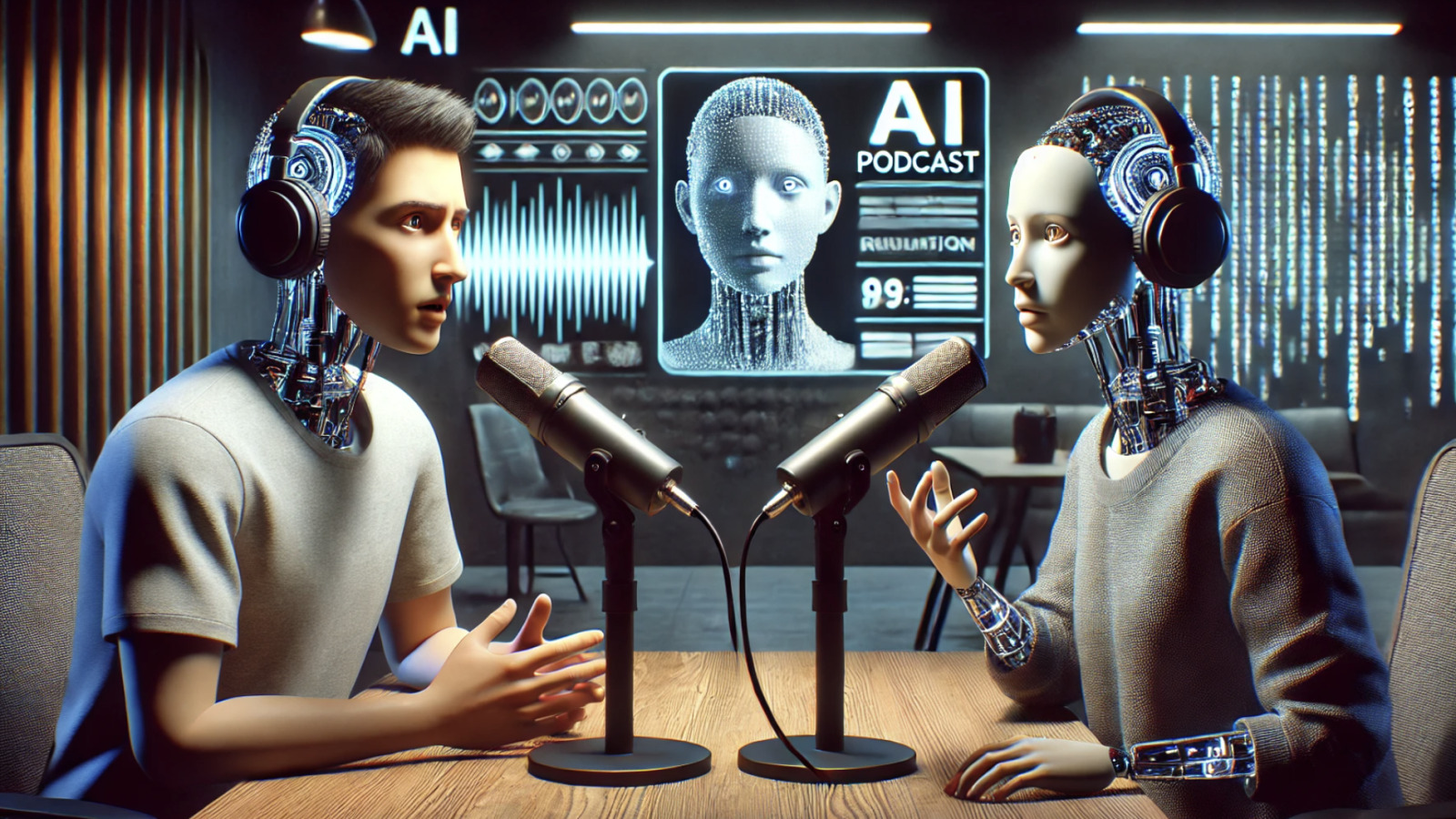
The podcast industry, once defined by intimate storytelling and human voices, is undergoing a seismic shift. Artificial intelligence is no longer just assisting creators behind the scenes it is now producing the content itself, at a scale that is rapidly redefining the medium.
According to Podcast Index data, AI-generated podcasts now account for more than one-third roughly 35.4% of all new podcast feeds. This marks a dramatic inflection point for the industry, where automated audio is no longer experimental but increasingly mainstream.
The pace of this transformation is staggering. Nearly 485 new AI-generated podcast feeds are being created every day, a surge fueled by advances in generative tools and platforms that can produce scripts, voices, and full episodes with minimal human input. What once required a studio, a host, and hours of editing can now be done in minutes often for less than a dollar per episode.

A flood of synthetic voices
The implications are profound. In some snapshots of the ecosystem, AI content may already rival or even surpass human-created shows. Reports suggest AI-generated podcasts overtaking human content is no longer theoretical, with automated shows increasingly dominating new uploads.
Much of this growth is powered by networks producing content at industrial scale. These operations leverage automation to create thousands of episodes weekly, flooding platforms with multilingual, niche-targeted shows designed to capture search traffic and advertising revenue.
The rise of voice AI assistants has further accelerated this trend, enabling hyper-realistic narration that often blurs the line between human and machine.
The economics of automation
The rise of AI podcasts is not just a technological story it is an economic one. Traditional podcast production can be time-consuming and expensive, requiring research, scripting, recording, and editing. AI collapses that entire workflow into a largely automated pipeline.
For independent creators and startups, this represents an unprecedented opportunity. Barriers to entry have fallen sharply, allowing virtually anyone to launch a podcast network at scale. For established media companies, it offers a way to repurpose existing content into audio instantly, expanding reach without proportional costs.
The broader podcast ecosystem is growing rapidly, supported by global podcasting market growth projections that estimate massive expansion in the coming years.
At the same time, the adoption of automation tools is accelerating, with AI adoption in podcast production becoming increasingly common across both independent and enterprise creators.
A crisis of authenticity
Yet the rapid expansion of AI-generated audio is raising uncomfortable questions about authenticity, quality, and trust.
Podcasting’s original appeal lay in its human element the sense of connection between host and listener. AI-generated shows, while efficient, often lack that emotional depth. Critics argue that the flood of synthetic content risks turning podcast platforms into noisy ecosystems dominated by low-effort, repetitive material.
This concern echoes broader debates around AI media control, where the scale and influence of automated content raise questions about visibility, credibility, and manipulation.
The result is a discovery problem. As more AI-generated shows enter the ecosystem, it becomes harder for audiences to find high-quality, human-produced content and for creators to stand out.
Platforms struggle to keep up
Podcast platforms are now grappling with how to manage this influx. Some companies have begun labeling AI-generated content when detected, signaling a move toward greater transparency. Others are exploring moderation tools to identify spam or low-quality feeds.
But the challenge is formidable. AI-generated podcasts can be produced in multiple languages, across countless topics, and uploaded under different accounts making enforcement difficult.
Meanwhile, the commercial side of the industry is accelerating, with AI-generated podcast host market growth signaling rising investment and monetization opportunities.
The future: coexistence or takeover?
What comes next is uncertain. Some experts believe AI-generated podcasts will complement human creators, handling routine or data-heavy content while leaving storytelling and analysis to people. Others warn of a more disruptive outcome, where synthetic media overwhelms traditional formats.
There is also a deeper cultural question at play: what happens when the majority of voices in audio media are no longer human?
For now, listeners may not always know the difference. AI voices are becoming increasingly natural, scripts more coherent, and production quality indistinguishable from traditional shows.
But as the line between human and machine blurs, the defining value of podcasting authenticity may become its most contested frontier.
In an industry built on conversation, the question is no longer just who is speaking. It is whether anyone is truly listening.