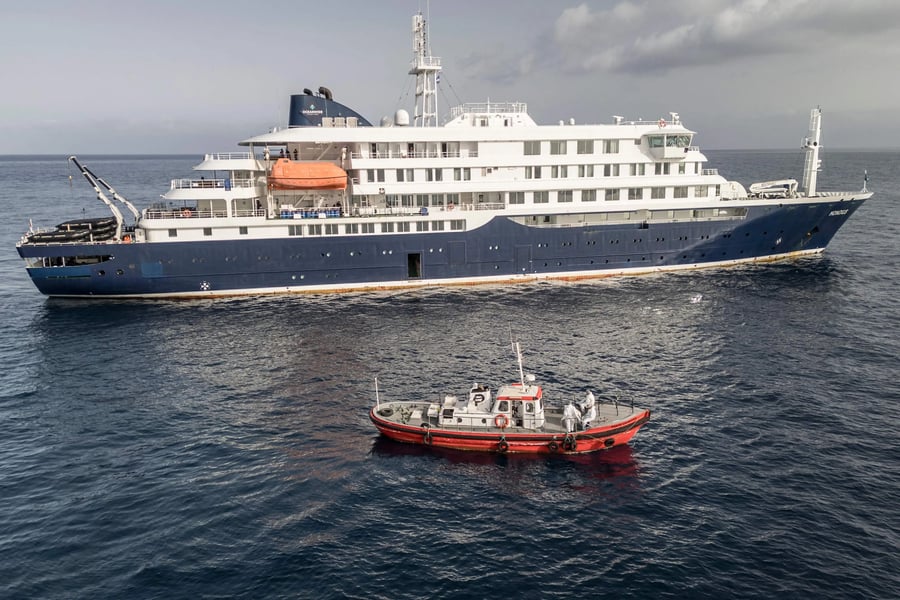

An elderly Dutch passenger aboard the Antarctic expedition vessel MV Hondius fell ill during the ship’s long voyage across the South Atlantic. By the time the vessel reached Saint Helena in late April, he was dead. Days later, his wife also died after being evacuated to South Africa. Then another passenger collapsed.
What initially appeared to be an isolated medical emergency has now spiraled into a multinational health investigation involving the World Health Organization, European disease agencies, and governments across three continents after officials confirmed the presence of the rare Andes strain of hantavirus aboard the ship. Reuters and WHO officials say the outbreak has triggered an expanding international contact-tracing operation as authorities investigate possible onboard transmission.
The outbreak has already killed three people and infected or exposed passengers from more than 20 countries. Nearly 150 passengers and crew members remain under strict medical controls as the vessel sails toward Spain’s Canary Islands after being denied docking access elsewhere over fears of further spread.
For global health authorities, the most troubling detail is not simply the virus itself.
It is the strain.
The Andes variant is one of the few hantaviruses ever linked to limited human-to-human transmission, a characteristic that has transformed the isolated cruise ship into the focus of an urgent international containment effort. According to WHO-linked reporting, the Andes strain remains the only hantavirus with documented rare person-to-person spread.
The MV Hondius, a Dutch-operated polar expedition ship built for Antarctic exploration rather than mass tourism, had departed from Argentina in early April carrying travelers drawn by wildlife expeditions, remote island stops, and birdwatching excursions across the southern Atlantic. The vessel later became the center of a rapidly escalating international outbreak investigation.
Health investigators now believe the virus may have originated during one of those excursions in southern Argentina, where Andes hantavirus is endemic among rodent populations. Argentine officials investigating the outbreak suspect the first infected passengers may have contracted the disease during a birdwatching stop near a waste disposal area frequented by rodents.
But the deeper concern emerged only after passengers began falling ill days apart inside the confined environment of the ship itself.
Several cases appear difficult to explain solely through environmental exposure, raising fears that close onboard contact may have contributed to transmission during the weeks-long voyage. The mounting cruise ship outbreak fears have triggered emergency consultations among European and African health authorities.
That possibility has triggered alarm because cruise ships, by design, create ideal conditions for infectious disease spread: enclosed cabins, shared dining facilities, centralized ventilation systems, and prolonged exposure among travelers from multiple nations.
WHO officials have emphasized that the overall risk to the wider public remains low. Yet internally, epidemiologists are treating the incident with extraordinary caution because no modern maritime outbreak involving possible person-to-person transmission of Andes hantavirus has ever been documented at this scale.
The outbreak has also revived memories of the COVID-era cruise ship disasters that exposed weaknesses in international quarantine systems and cross-border health coordination.
For days, the MV Hondius drifted off the coast of Cape Verde while governments debated whether to allow the vessel to dock. Authorities feared that permitting passengers to disembark without a controlled medical operation could spread infections internationally before investigators fully understood the transmission chain.
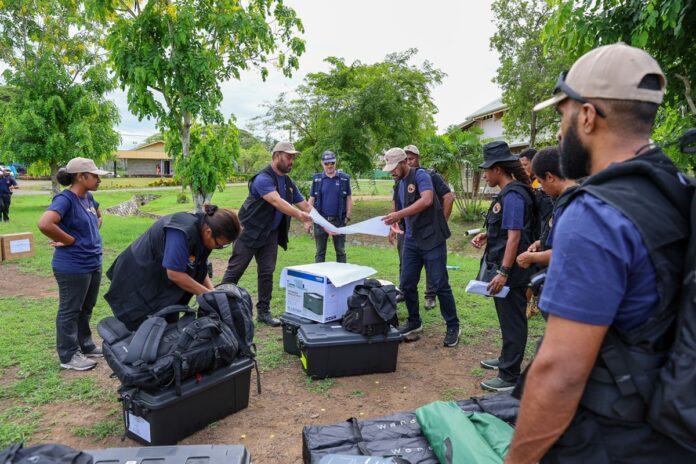
Inside the ship, passengers were reportedly ordered into cabin isolation while medical staff implemented emergency containment procedures. Crew members delivered meals under strict protective measures. Social activities were halted. Sick passengers were monitored continuously for respiratory distress. The crisis has become a major case study in cruise ship containment systems and international outbreak response failures.
By Wednesday, three patients, including the ship’s British doctor, were evacuated by air ambulance to the Netherlands for specialized treatment. One body still remained aboard the vessel as international health teams coordinated forensic and epidemiological investigations. Spanish authorities later agreed to receive the ship in the Canary Islands despite mounting political backlash.
Cases linked to the outbreak have now surfaced in South Africa, Switzerland, and other European countries, forcing authorities to launch extensive contact tracing operations involving airlines, hospitals, and border agencies. WHO officials confirmed that WHO investigation into the hantavirus outbreak has expanded into a broader multinational response effort.
The Andes virus itself remains poorly understood outside specialist epidemiological circles.
First identified in Argentina and Chile during the 1990s, the virus belongs to a family of rodent-borne pathogens that can trigger hantavirus pulmonary syndrome, a severe respiratory disease capable of rapidly destroying lung function. Fatality rates in serious cases can approach 40 percent. Epidemiologists say the strain’s unusual transmission history makes the current outbreak exceptionally sensitive.
Patients often begin with symptoms resembling influenza: fever, muscle pain, fatigue, and gastrointestinal illness. But in severe cases, the disease escalates suddenly into acute respiratory failure, shock, and organ collapse.
There are currently no approved vaccines or targeted antiviral treatments for Andes hantavirus infections. Medical intervention is largely supportive, relying on intensive respiratory care and rapid hospitalization.
Scientists remain divided over how efficiently the virus spreads between humans. Previous outbreaks in Argentina suggested close-contact transmission may occur through saliva, respiratory droplets, or prolonged exposure between family members and intimate contacts. Other studies argue the evidence remains limited and inconsistent.
The MV Hondius outbreak may now become the most closely studied hantavirus transmission event in decades.
WHO laboratories and national health agencies are conducting genomic sequencing to determine whether infected passengers carried identical viral mutations, which could help establish whether transmission occurred onboard or before embarkation. Researchers involved in zoonotic spillover and rodent-borne virus research say the findings could reshape future maritime health protocols.
The answer carries enormous implications for global public health systems.
If investigators conclude the ship experienced sustained person-to-person transmission, infectious disease agencies may be forced to reconsider current international preparedness frameworks for hantavirus outbreaks, particularly in confined travel environments such as cruise liners, military vessels, and remote expedition operations.
The political fallout is already growing.
Regional leaders in Spain’s Canary Islands criticized Madrid’s decision to accept the vessel, arguing local authorities were not adequately consulted before becoming the center of a high-profile international quarantine operation.
At the same time, public health experts warn against panic-driven comparisons with COVID-19.
Unlike airborne coronaviruses, hantaviruses spread far less efficiently and generally require close or prolonged exposure. WHO and European disease agencies continue to classify the public risk level as low.
Still, the optics of another isolated cruise ship carrying infected passengers across international waters have unsettled governments and travelers alike.
The images emerging from Cape Verde, health workers in protective gear, emergency evacuations from anchored vessels, passengers confined to cabins thousands of miles from home, have become a stark reminder that even after years of pandemic preparedness rhetoric, the global response to emerging infectious disease threats remains deeply fragile.