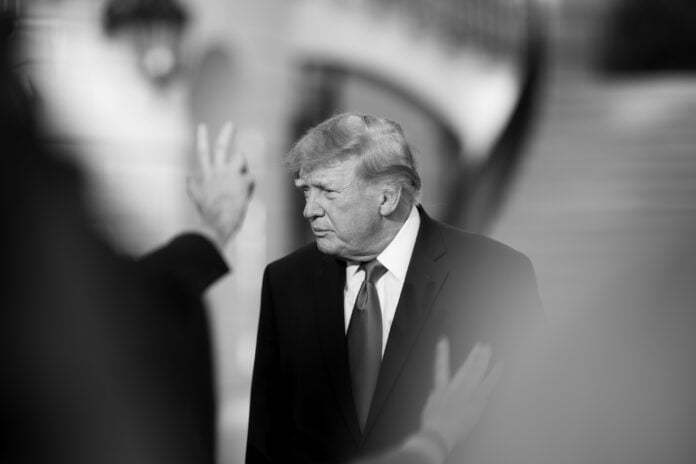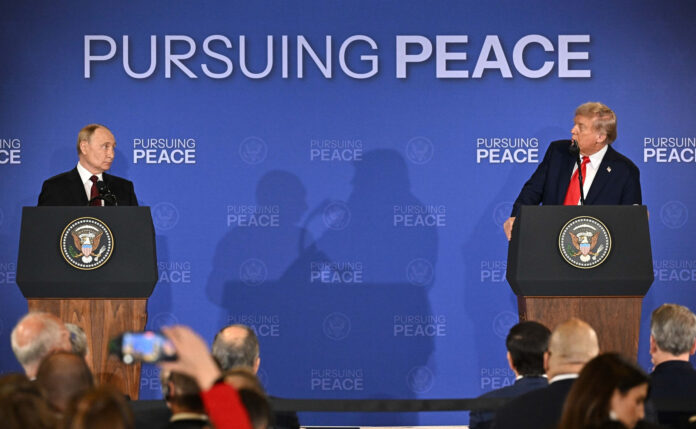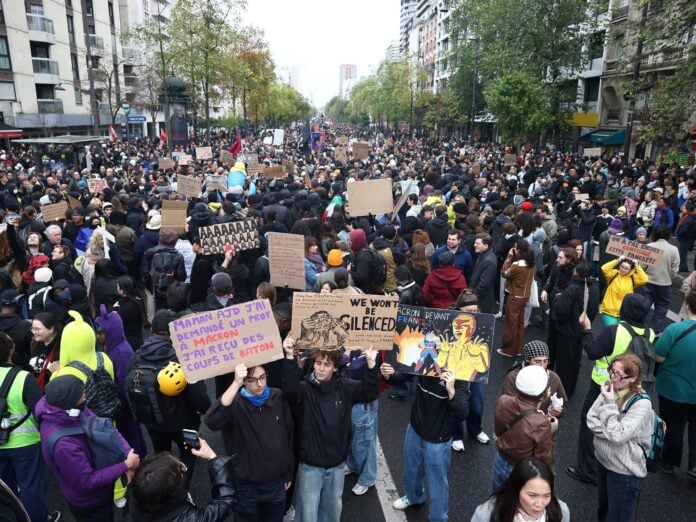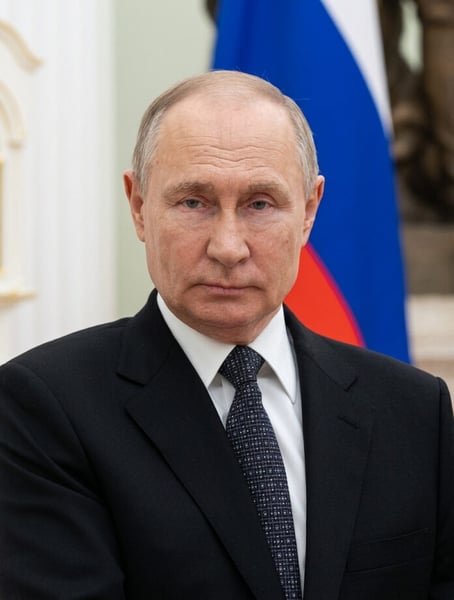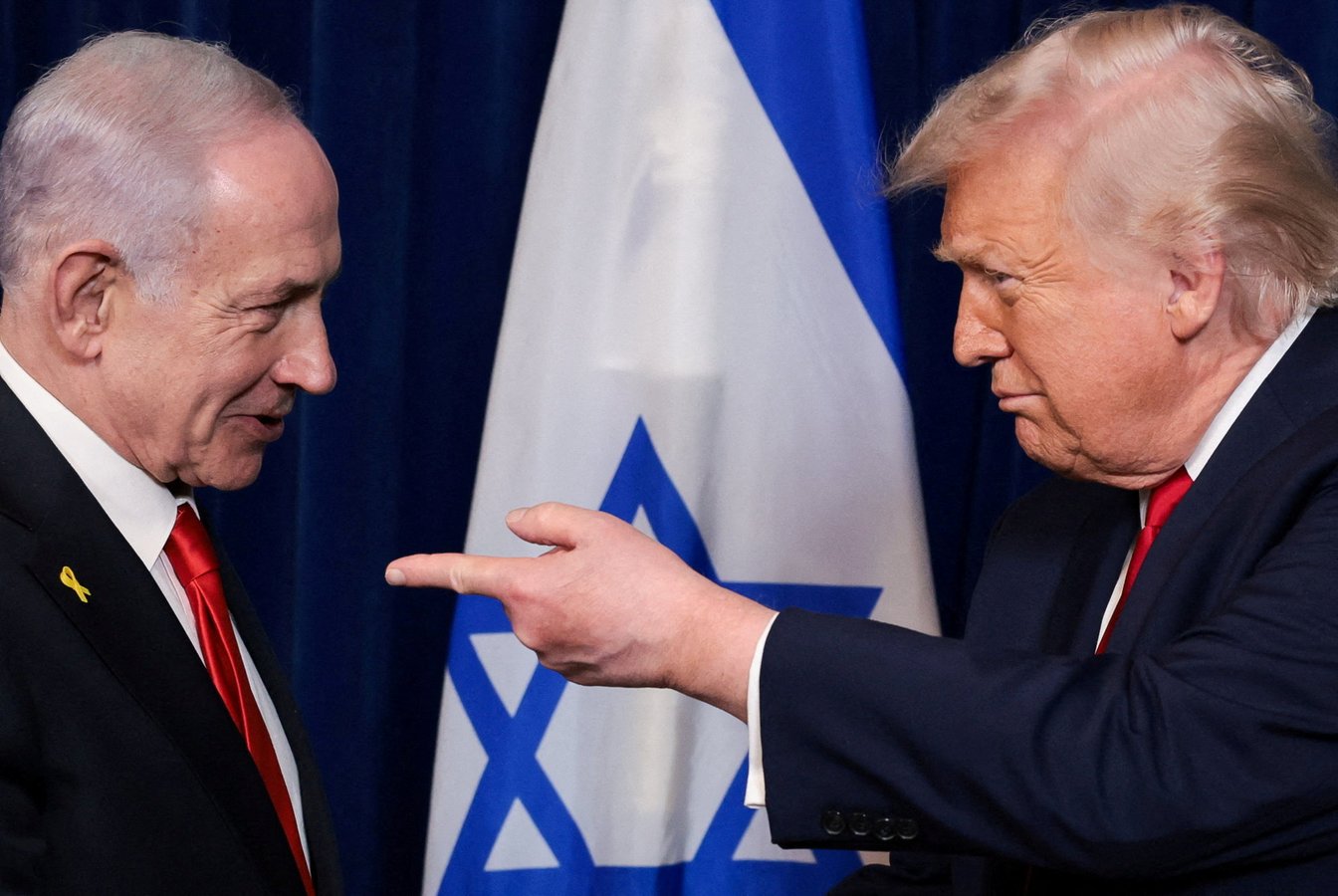

WASHINGTON – Fox News host Brian Kilmeade revealed Monday that President Donald Trump told him the Iran war is “not popular” among Americans but that he views it as “necessary” anyway, a rare private concession that cut against the White House’s public framing and matched polling showing roughly seven in ten Americans oppose the military campaign.
Kilmeade made the disclosure during an appearance on the “Kennedy Saves the World” podcast, recounting a conversation he said he held with the president. “I realize the war is not that popular,” Trump told Kilmeade, according to the Fox & Friends co-host. “I also realize it’s necessary.” The admission landed with particular weight given its source: few voices in American media have been more consistently supportive of Trump’s foreign policy than Kilmeade, making his willingness to relay the president’s private reservations about the war’s public standing all the more notable.
Trump also told Kilmeade that Gulf nations were “not thrilled with a major attack right now,” according to Kilmeade’s account. That characterization pushed back against a New York Times report suggesting Trump had scaled back escalation plans after military advisers raised concerns about depleted missile stockpiles. Trump denied the stockpile account; his version, relayed through Kilmeade, placed the constraint not in American arsenals but in regional partners who had grown uncomfortable with the campaign’s trajectory.
Gulf Arab governments have publicly backed the effort against Iran while privately signaling alarm at the disruption to oil markets, shipping corridors, and the broader stability their own political arrangements depend on. For Trump to name their hesitancy as the real limiting factor was both an acknowledgment of their leverage and a deflection from domestic critics who have questioned the war’s planning and execution.
The stockpile account had drawn attention because it offered a material explanation for the limits on the American bombing campaign, now stretching beyond three weeks of strikes against hardened Iranian infrastructure. Defense analysts had questioned how long the United States could sustain high-tempo operations without cycling in additional supplies. Trump’s insistence that regional politics, not inventory concerns, explained any restraint was a way of asserting that the campaign remained limited by choice rather than capability.
Poll numbers provided the backdrop to Trump’s private acknowledgment. A YouGov survey found that 69 percent of Americans oppose military action against Iran. The opposition was not limited to the president’s traditional critics: 40 percent of Republicans also said they were against the involvement, and a majority of respondents reported that Trump had not clearly explained the goals of U.S. military involvement in the region.
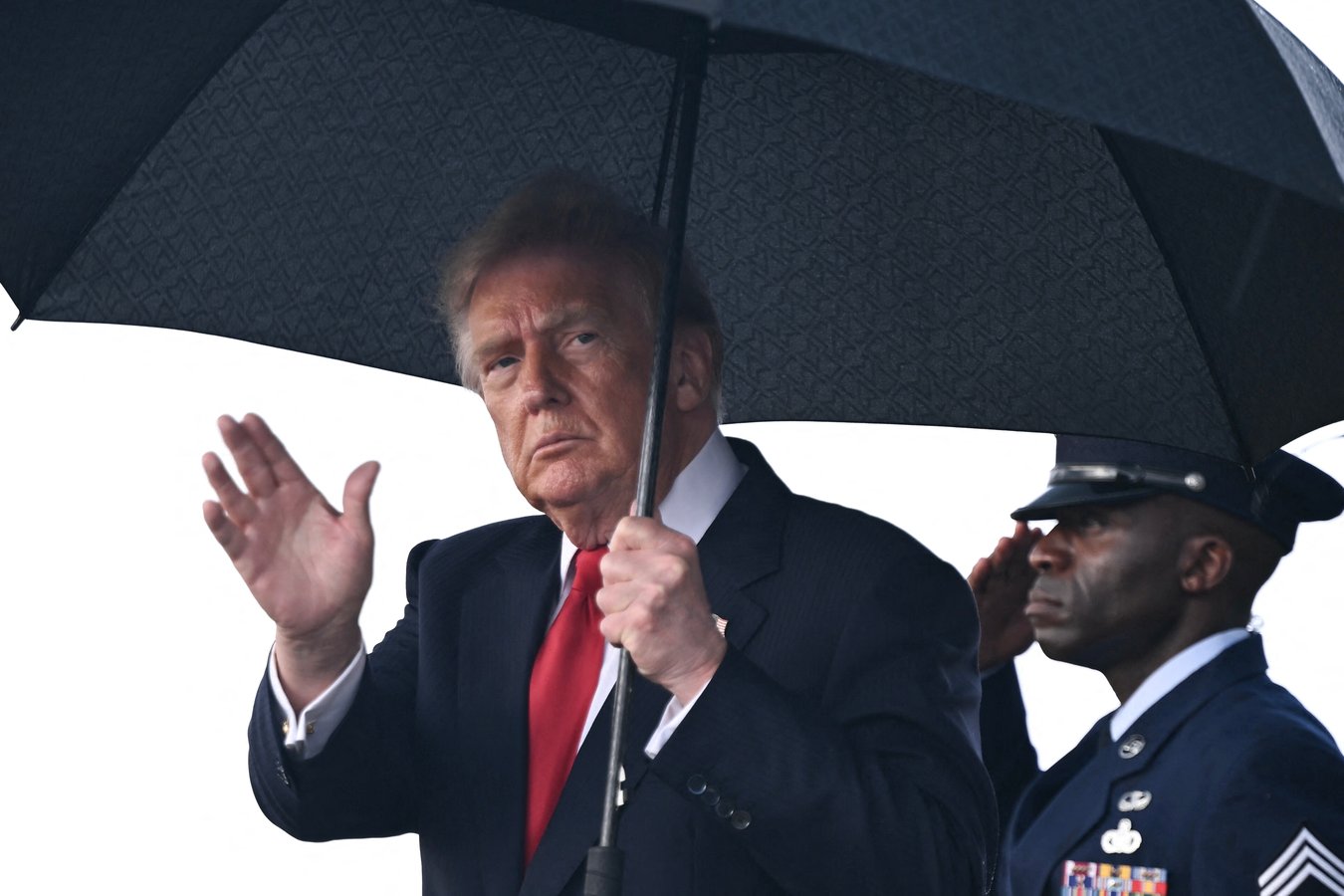
That finding sits in sharp relief against Trump’s public posture, which has consistently projected confidence about the mission’s course. The president has routinely dismissed suggestions that the war has become a political liability, characterizing the campaign as essential to American security and regional stability.
The podcast appearance came as the Trump administration faced pressure from multiple directions. Congressional Democrats pushed war powers resolutions. Members of the president’s own party broke ranks on Capitol Hill, with a House vote last week falling narrowly short of directing the president to wind down the campaign. The narrowing political coalition behind the war has forced the White House into a defensive posture even as it insists on the mission’s necessity.
Eastern Herald reported that Trump held off on Iran escalation at a critical juncture this week, opting for diplomacy over a wider military push. The revelation that he privately acknowledged the war’s unpopularity suggests the political calculus shapes those decisions even when it is publicly denied.
The timing of Kilmeade’s account carried weight. He spoke on Monday as U.S. Central Command announced it had successfully intercepted a renewed Iranian missile barrage, ending a brief pause in fighting that had raised diplomatic hopes. The interceptions suggested the lull was tactical rather than political, and renewed pressure on negotiators working to produce a ceasefire framework before the conflict widened further.
What remains harder to account for is the venue Kilmeade chose for his disclosure. The “Kennedy Saves the World” podcast is not a platform that Trump’s critics typically frequent. That the president’s private words reached that audience through a trusted ally suggests he wanted his base to hear an account that acknowledged political difficulty while still insisting on necessity, framing the war as a burden borne willingly rather than an error compounding itself.
Britain and France have declined to join U.S. patrols in the Strait of Hormuz until a ceasefire framework is in place, according to Politico, indicating that even America’s closest European partners are drawing lines around their exposure to a war they had no voice in starting.
The gap between “not popular” and “necessary” is where the conflict now lives. Trump acknowledged the first in private and insists on the second in public. Whether that formulation holds as battlefield conditions evolve, congressional sentiment shifts further, and Gulf partners grow more reluctant is the central question of a campaign that has defined the opening months of his second term. Kilmeade may have intended to relay a reassuring anecdote. What he produced instead was a window into a president who knows the war he started is losing the country, and has decided to press ahead regardless.