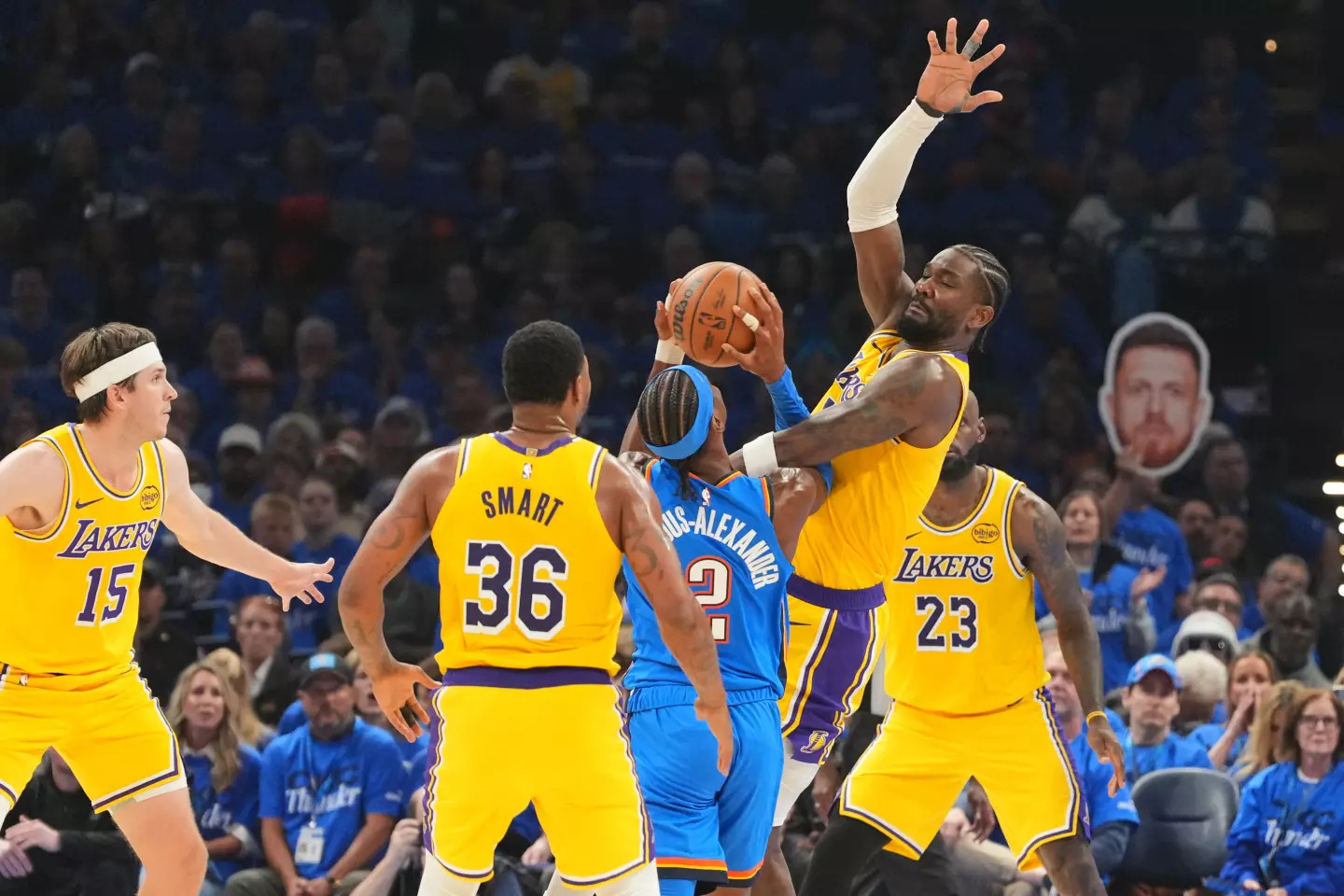

The Oklahoma City Thunder did not just beat the Los Angeles Lakers in Game 1 of the Western Conference semifinals. They embarrassed them.
Inside a roaring Paycom Center packed with championship expectations, the defending NBA champions dismantled LeBron James and the Lakers 108-90 in a performance that looked less like a competitive playoff opener and more like a warning shot to the rest of the league. Oklahoma City now looks terrifyingly close to building the NBA’s next dynasty.
For the Lakers, the loss exposed every fear surrounding this aging roster.
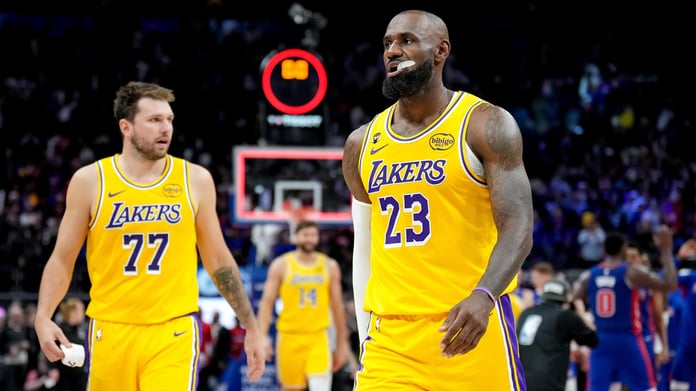
LeBron James fought hard and finished with 27 points, but Los Angeles simply could not keep up with Oklahoma City’s relentless pace, suffocating defense, and overwhelming depth. The Thunder dominated the glass, controlled transition play, and completely broke the Lakers offensively in the second half.
The MVP favorite scored 18 points in what was considered a relatively quiet night by his standards. Yet the Thunder still cruised comfortably because Chet Holmgren delivered one of the biggest playoff performances of his young career, finishing with 24 points and 12 rebounds alongside elite rim protection that completely altered the Lakers’ offense.
That is the terrifying reality for the Western Conference right now. Oklahoma City has become so deep and so complete that opponents can execute a decent game plan against Gilgeous-Alexander and still get blown off the floor.
The Lakers actually spent large portions of Game 1 aggressively trapping Gilgeous-Alexander and forcing the ball out of his hands. For a while, the strategy worked. The Thunder superstar struggled with turnovers early and never truly found his normal scoring rhythm. But Oklahoma City adapted immediately after halftime. Coach Mark Daigneault adjusted the spacing, moved the screening action higher on the floor, and suddenly the Lakers defense completely collapsed.
Once the Thunder started swinging the ball quickly against double teams, the Lakers had no answers.
Holmgren attacked mismatches inside. Oklahoma City’s shooters punished rotations from the perimeter. The Thunder bench completely overwhelmed Los Angeles’ second unit. By the fourth quarter, the Game 1 blowout felt finished long before the final buzzer sounded.
That fourth quarter collapse may be the biggest concern for Lakers coach JJ Redick.
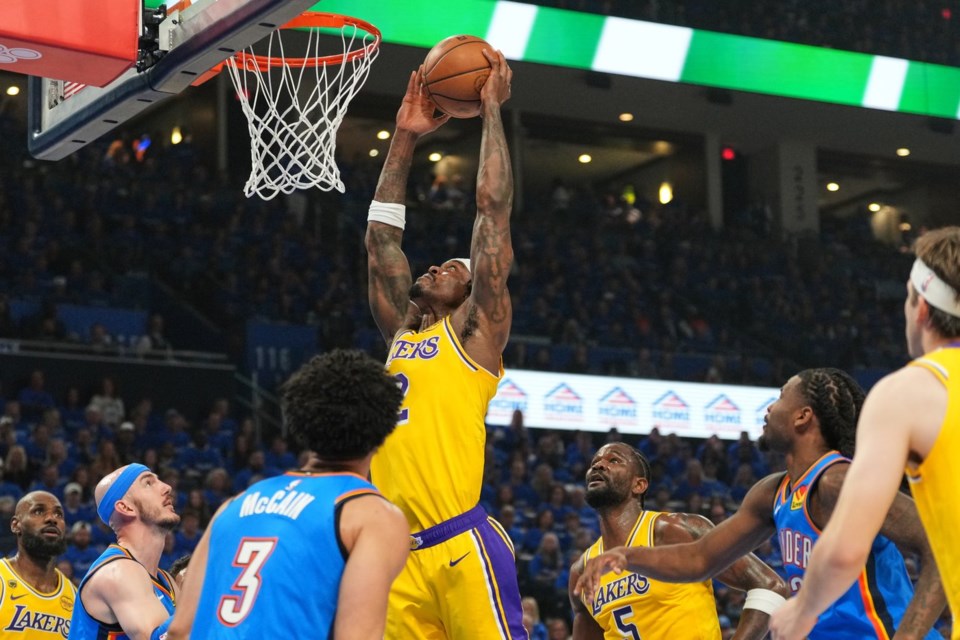
Los Angeles entered the final period still within striking distance before Oklahoma City erupted behind its bench production and transition offense. Jared McCain hit massive three-pointers, the Thunder defense tightened even further, and the Lakers offense completely stalled under pressure.
Austin Reaves struggled badly throughout the night, and Los Angeles committed a series of costly turnovers that repeatedly handed Oklahoma City easy points. After the game, both players and coaches openly admitted the Lakers failed to execute their game plan against a championship-level opponent.
That honesty probably reflects the reality inside the locker room.
Because after watching Game 1, the gap between these teams looked enormous.
Oklahoma City now plays with the championship level composure, chemistry, and precision of a seasoned champion. Gilgeous Alexander controls games without forcing shots. Holmgren has developed into one of the NBA’s most complete two way big men. The Thunder bench brings energy every possession. And defensively, they may already be the most disruptive team left in the NBA playoffs.
The scary part is that this version of the Thunder may actually be better than last season’s title-winning group.
Oklahoma City already dominated the regular season again, secured the West’s top seed for a third straight year, and swept Phoenix in the opening round before arriving in this series rested and confident.
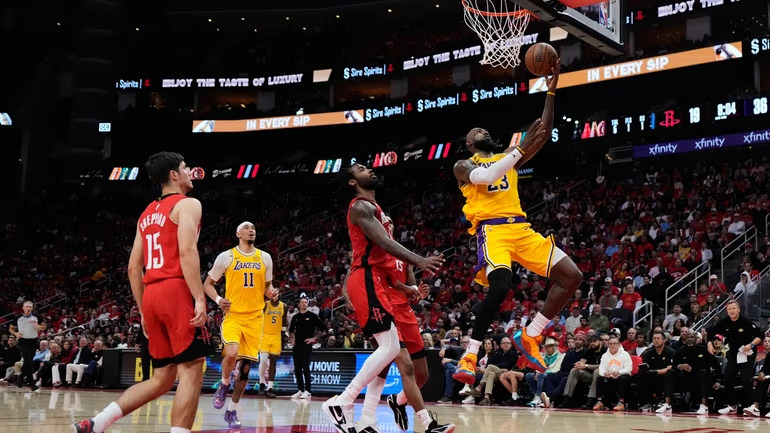
Can LeBron James realistically carry this team through four playoff rounds at age 41? Can the Lakers survive offensively when their supporting cast disappears? Can they handle Oklahoma City’s athleticism for an entire series?
After Game 1, the answers did not look encouraging.
Even more concerning for Los Angeles is the pressure on Los Angeles entering Game 2. Falling behind 0-2 against the defending champions would place the Lakers in a nearly impossible situation heading back home. Historically, teams rarely recover from that type of deficit against elite opponents with home-court advantage.
The Lakers do have areas they can improve. Their defense on Gilgeous-Alexander was effective at times. They stayed competitive for three quarters. And LeBron still showed flashes of playoff brilliance despite Oklahoma City’s constant defensive pressure.
But moral victories mean nothing in May.
Right now, the Thunder look younger, faster, deeper, smarter, and significantly more dangerous than the Lakers.
And unless Los Angeles produces major adjustments entering Game 2, this series may quickly stop feeling like a heavyweight playoff battle and start looking like the official transfer of power in the Western Conference.
Related Posts