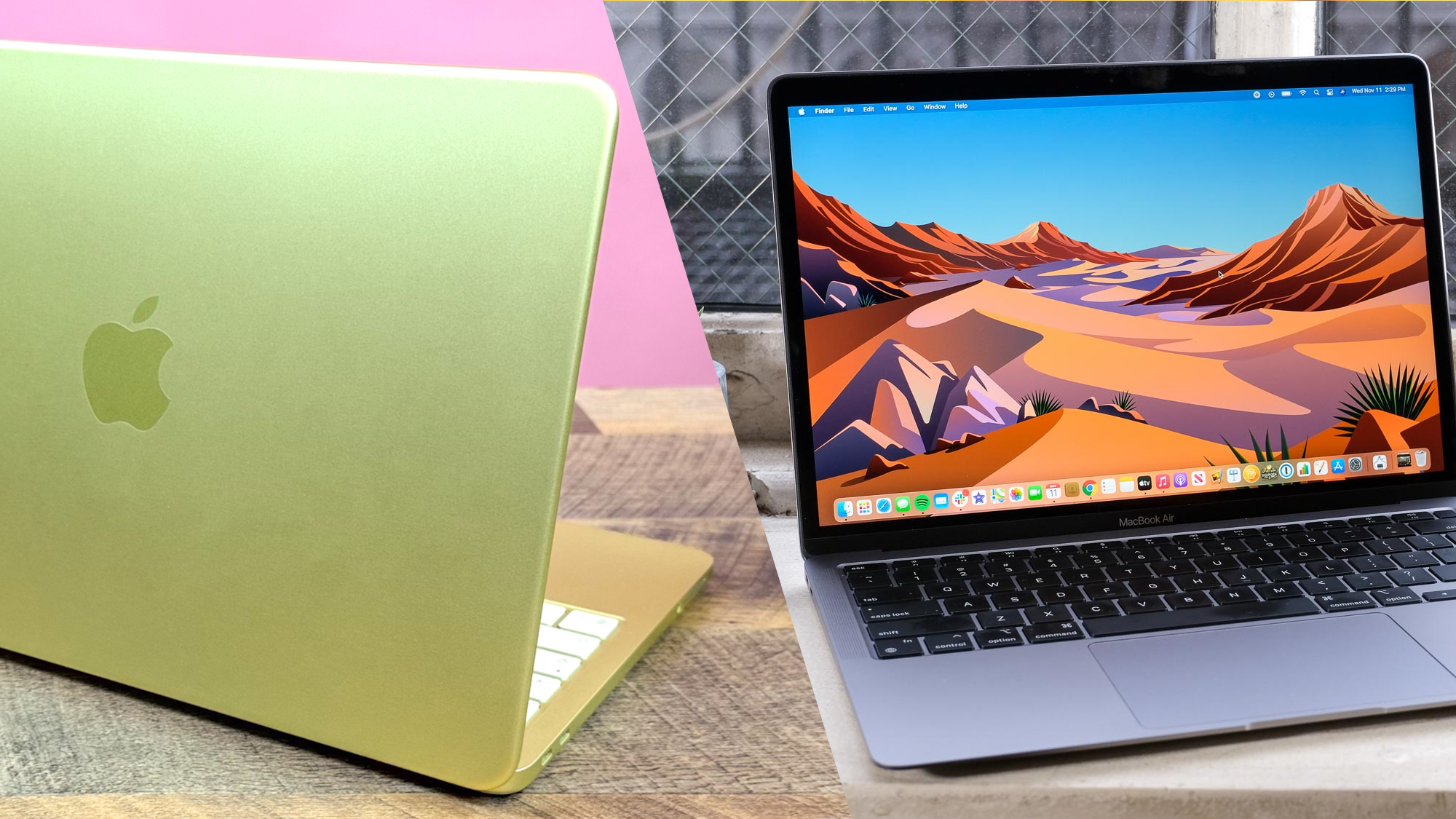

Apple’s most aggressively positioned budget laptop in years, the MacBook Neo priced at $599, is now facing an unusual contradiction: runaway demand paired with growing uncertainty about whether its entry-level pricing can survive ongoing supply chain pressure. What was designed as a mass-market gateway into macOS is rapidly becoming one of Apple’s most constrained products.
According to early real-world testing, performance limitations tied to 8GB unified memory have already begun shaping user experience expectations. Reports compiled in early MacBook Neo performance analysis suggest that while the device handles everyday workloads efficiently, heavier multitasking exposes structural memory constraints that may become more visible as software demands increase.
At the same time, Apple is reportedly preparing a major production expansion, scaling output toward nearly 10 million units. The move reflects unexpectedly strong global demand, particularly in education markets and first-time Mac buyers. However, this expansion is not occurring in a vacuum. It is unfolding alongside severe pressure on Apple’s internal silicon and supply chain strategy, which has become increasingly complex in recent years.
Inside Apple’s hardware organization, structural changes have also been reshaping priorities. Leadership consolidation under senior chip executive Johny Srouji has been detailed in reports such as Apple’s hardware restructuring coverage, highlighting the company’s effort to unify chip development, thermal engineering, and product integration under tighter control as demand for Apple Silicon accelerates.

This surge in component pricing directly threatens the sustainability of ultra-low-cost devices like the MacBook Neo. Analysts suggest that maintaining a $599 price point may become increasingly difficult if memory and chip supply constraints persist into the next production cycle.
Apple’s supply chain pressure is also being amplified by competition for semiconductor manufacturing capacity. The rise of artificial intelligence workloads has shifted global chip allocation priorities, limiting availability for consumer hardware. Reports from semiconductor supply chain analysis indicate that Apple’s Mac lineup is already experiencing extended constraints due to AI infrastructure demand consuming foundry capacity.
In parallel, Apple is exploring broader supply diversification strategies. According to industry reporting on Apple’s chip sourcing strategy, the company has considered increasing reliance on alternative semiconductor partners such as Intel and Samsung. This reflects a strategic shift away from dependence on a single fabrication ecosystem, particularly as geopolitical and industrial pressures intensify.
Despite these challenges, demand for the MacBook Neo continues to exceed early forecasts. Retail channels in multiple regions have reported fluctuating availability, with shipping delays extending into several weeks for certain configurations. The surge has prompted Apple to reassess production scaling targets while balancing cost control and supply stability.
Competitive pressure is also intensifying. Budget Windows laptops remain the closest direct alternative, but rising global component prices have narrowed their cost advantage. A recent comparative analysis highlighted in cross-platform laptop market reporting suggests that Apple’s pricing strategy may be reshaping expectations for entry-level computing across the industry.
However, one of the most significant uncertainties lies in whether the $599 base configuration will remain available at all. Some reports indicate that Apple is evaluating adjustments to entry-level storage and pricing tiers. As noted in pricing structure analysis, rising component costs could force Apple to restructure the MacBook Neo lineup, potentially eliminating its lowest-cost configuration.
Beyond the MacBook Neo itself, Apple’s broader product ecosystem is also showing signs of recalibration. Internal focus appears to be shifting toward higher-margin devices and spatial computing platforms, while experimental categories continue to face uneven adoption. Observers have pointed to recent ecosystem adjustments, including mixed performance across next-generation hardware initiatives, as seen in broader product strategy evaluations.
The MacBook Neo now sits at the center of a complex strategic equation. It is simultaneously Apple’s most accessible laptop and one of its most resource-constrained. Strong consumer demand validates the product’s market positioning, yet the economics behind its pricing are becoming increasingly difficult to maintain in a global environment shaped by AI-driven semiconductor competition and memory shortages.
Whether Apple chooses to absorb rising costs, adjust configurations, or eventually redefine the entry point for its Mac lineup will likely determine the future of the MacBook Neo. For now, it remains a rare example of a product that is both a commercial success and a structural challenge for one of the world’s most valuable companies.