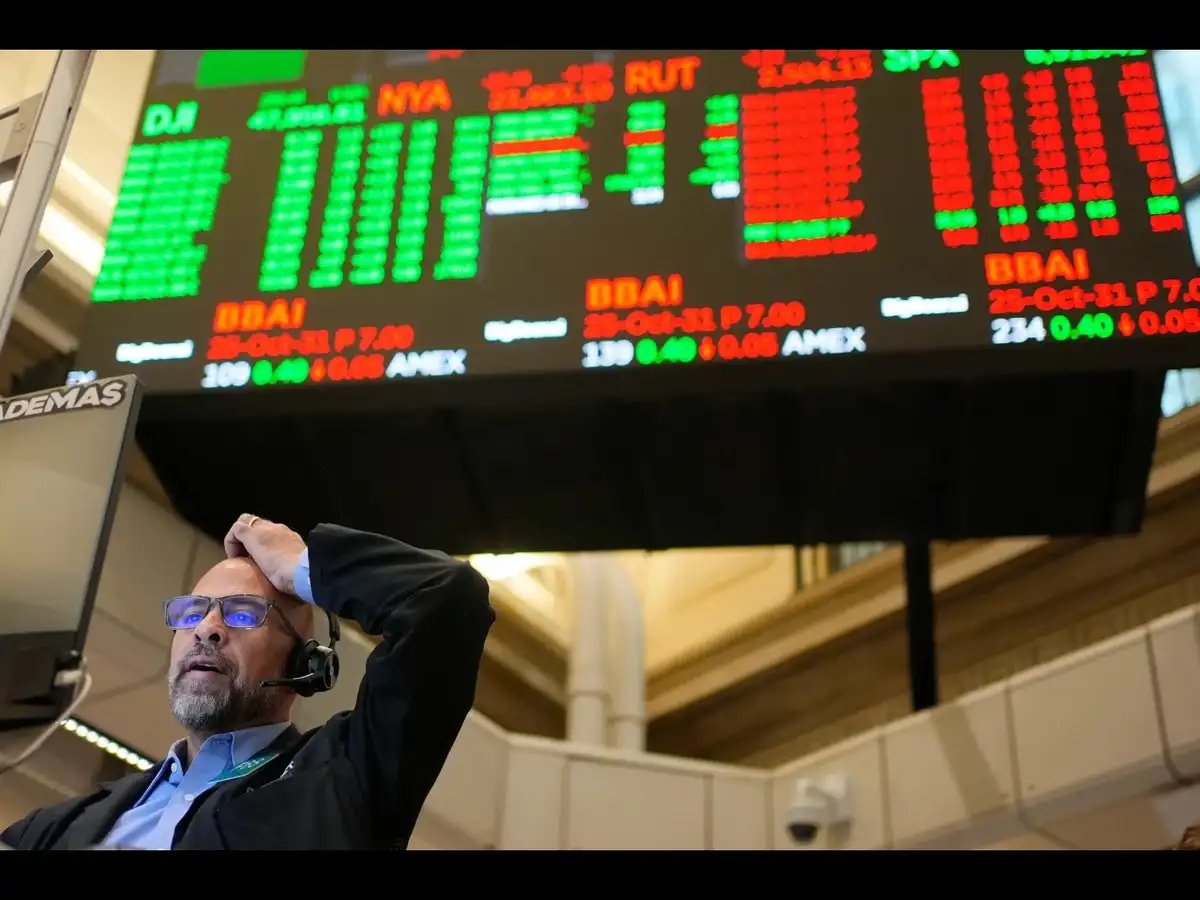

NEW YORK — On the trading floors of Lower Manhattan and inside hedge fund offices stretching from Connecticut to Singapore, the mood this week was one of uneasy optimism.
The Nasdaq climbed deeper into record territory. The S&P 500 continued its seemingly relentless rise. Investors once again piled into artificial intelligence companies, semiconductor manufacturers and giant technology firms that have become the defining force behind Wall Street’s extraordinary rally in 2026.
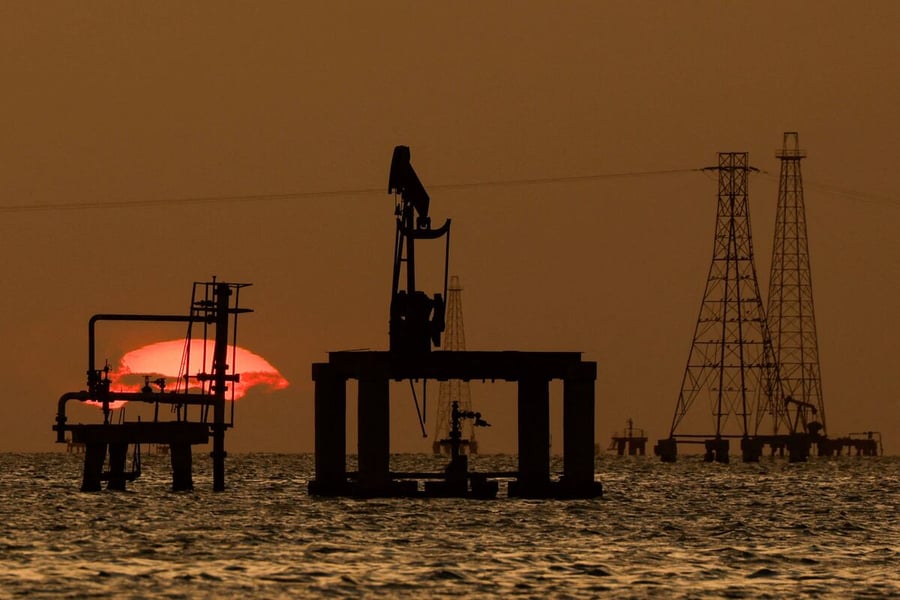
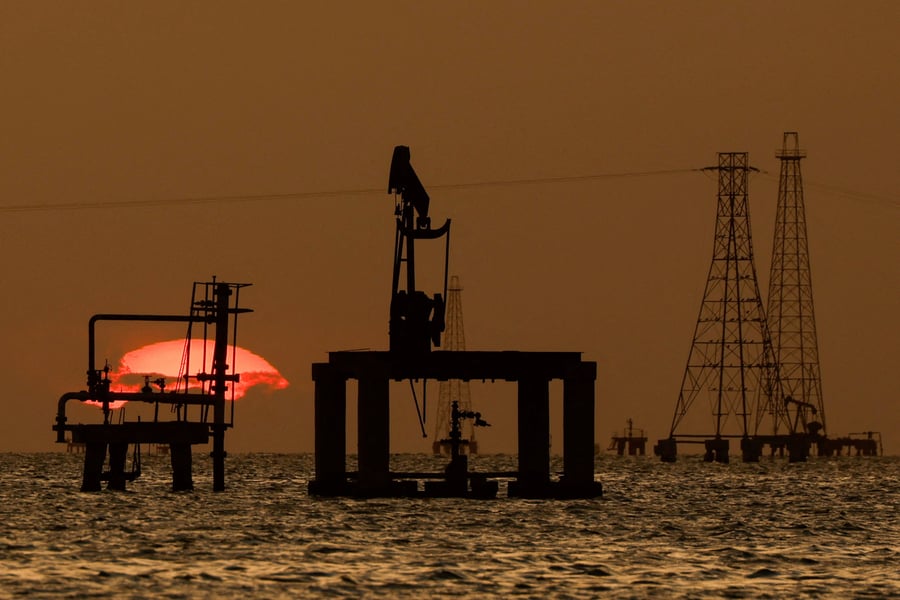
Yet beneath the confidence gripping financial markets, another reality has been unfolding in parallel: the oil markets have entered one of their most volatile periods in years, shaken by fears that tensions surrounding Iran and the Strait of Hormuz could spiral into a broader economic crisis.
The result is a world economy moving in two sharply different directions at once.
Stocks are behaving as though the future belongs to AI-driven growth and technological expansion. Oil traders, meanwhile, are pricing in the possibility of supply disruptions, geopolitical escalation and a renewed inflation shock that could reverberate from Asian manufacturing centers to American gasoline stations.
That contradiction has become one of the defining stories of the global economy this year.
“The equity market is trading hope,” said Michael Grant, chief market strategist at Horizon Analytics in New York. “The oil market is trading fear.”
The growing volatility tied to the Strait of Hormuz crisis comes as global investors are already navigating fears of a wider economic confrontation between Washington and Tehran.
Investors are now simultaneously tracking inflation data, US-China diplomacy and developments tied to Iran as markets attempt to price the possibility of a prolonged geopolitical and energy crisis.
Brent crude prices swung wildly throughout the week after conflicting reports emerged about shipping security fears in the Gulf and the possibility of renewed diplomatic engagement involving Iran. Traders briefly pushed oil prices sharply higher amid fears that any disruption in the Gulf could destabilize global energy flows.
Analysts say the global oil traders brace for Hormuz disruption risks because the waterway remains one of the world’s most strategically important shipping routes.
Although prices later retreated from their highs, the instability itself rattled policymakers and economists.
For central banks already struggling to contain inflation after years of pandemic-era disruptions, the sudden return of oil-driven uncertainty represents a dangerous new variable.
Only months ago, investors believed inflation across major Western economies was finally easing toward manageable levels. The Federal Reserve had signaled increasing confidence that price pressures were cooling. Markets began betting that interest rate cuts could arrive later this year.
Now many analysts fear that higher oil prices could complicate the Federal Reserve’s inflation battle.
Higher oil prices do not remain confined to gasoline stations. They spread rapidly through transportation costs, shipping rates, food prices and industrial production. Airlines face higher fuel expenses. Manufacturers confront rising input costs. Consumers absorb the burden through more expensive goods and services.
For households already struggling with elevated living costs, another sustained energy spike could become politically explosive.
In Washington, the Biden administration has attempted to project calm while quietly monitoring the implications for both inflation and national security. Officials remain deeply concerned that instability in the Gulf could undermine broader economic confidence just as the US economy appeared to be regaining momentum.
Meanwhile, stock market today live updates reflected the extraordinary momentum behind technology shares.
Much of the market’s optimism has centered on artificial intelligence companies and semiconductor firms, which investors increasingly view as the backbone of the next global economic cycle. Nvidia, Advanced Micro Devices and several cloud infrastructure giants have become symbols of what traders describe as a “structural transformation” of the economy.
The excitement surrounding AI stocks has at times appeared strong enough to overwhelm nearly every other risk in the market.
“It’s an extraordinary divergence,” said Priya Raman, a senior portfolio manager at Alder Capital. “You have geopolitical tensions that historically would terrify investors, but instead money keeps pouring into growth stocks because the AI narrative is dominating everything.”
That optimism accelerated further after reports that an AI-fueled rally pushes Nasdaq to new highs.
The rally has also been fueled by expectations that the US economy may avoid a recession altogether despite years of elevated interest rates.
Consumer spending has remained surprisingly resilient. Employment data released this month came in stronger than many economists expected, reinforcing the belief that the economy may continue expanding even under tighter financial conditions.
That resilience has helped push stock indexes higher even as bond markets signal growing concern about future inflation pressures linked to energy costs.
The tension between those competing forces, technological optimism on one side and geopolitical instability on the other, now sits at the center of global market psychology.
The situation has revived comparisons to earlier periods when oil shocks transformed the trajectory of the world economy.
In the 1970s, geopolitical turmoil in the Middle East triggered historic surges in crude prices that helped fuel inflation, economic stagnation and political unrest across Western nations. While today’s economy differs significantly in structure and energy efficiency, many analysts warn that prolonged instability in the Gulf could still carry profound consequences.
Strait of Hormuz remains central to global energy security, particularly for Asian economies heavily dependent on Gulf crude shipments.
Unlike previous decades, however, modern financial markets are now heavily influenced by algorithmic trading systems and AI-driven investment strategies that can amplify volatility within seconds.
That dynamic has made markets increasingly sensitive to geopolitical headlines.
A single report involving tanker movements in the Gulf, military activity near the Strait of Hormuz or comments from Iranian officials can now trigger rapid swings across commodities, currencies and equities worldwide.
In Europe, governments are also closely watching developments. Several economies remain vulnerable to energy price spikes after years of inflationary strain tied to the war in Ukraine and disruptions in global supply chains.
Asian economies remain vulnerable to Gulf oil disruptions, especially as manufacturing sectors continue recovering from years of supply-chain instability.
China, India, Japan and South Korea all have significant exposure to shipping routes tied to the Strait of Hormuz. Any sustained disruption could ripple through manufacturing, trade and industrial production across the region.
Meanwhile, shipping insurers and maritime security firms have already reported rising anxiety among companies operating near Gulf waters.
Some tanker operators are reassessing routes and insurance costs as uncertainty grows.
Iran has repeatedly insisted on maintaining stable energy transit routes and recently assured safe passage for Indian ships through the Strait of Hormuz despite mounting regional tensions.
Despite those concerns, many investors still appear convinced that the global economy can absorb the pressure.
Part of that confidence stems from the belief that major powers, including Iran, ultimately have strong incentives to avoid a full-scale disruption of global oil flows that could destabilize the international economy and damage their own financial interests.
Another factor is the extraordinary concentration of investor enthusiasm around artificial intelligence.
For much of Wall Street, AI is no longer viewed simply as another technology trend. It is increasingly treated as a transformative force capable of reshaping productivity, labor markets, defense systems, healthcare and global commerce.
That belief has created enormous momentum behind technology stocks, helping markets shrug off geopolitical risks that might once have triggered widespread panic.
Still, some economists warn that markets may be underestimating the danger.
“If oil remains elevated for an extended period, the inflation story changes completely,” said David Keller, an economist at Global Frontier Research. “At some point markets may have to confront the reality that geopolitics still matters.”
Concerns over a potential global market collapse have already resurfaced among several hedge funds and commodity analysts.
The IMF has also warned about energy-driven instability after it recently cuts global growth outlook amid fears surrounding prolonged geopolitical disruptions.
For now, however, traders continue balancing optimism against uncertainty.
On Wall Street, screens flash green as investors chase AI-fueled gains. In oil markets, anxiety continues to pulse through every headline tied to Iran and the Gulf.
And across the global economy, governments, businesses and consumers are left confronting the same question: whether the world is entering a brief period of turbulence, or the beginning of a much larger economic shock.
Related Posts