Apple has tightened access to one of its most widely used discount programs, marking a significant shift in how the company manages education pricing while quietly expanding eligibility to include Apple Watch models for the first time.
Beginning this week, Apple now requires students, teachers, and eligible education customers to verify their academic status through UNiDAYS verification before accessing discounted pricing in the company’s Education Store. The move ends years of largely self-attested eligibility in several markets and brings the United States, Canada, Australia, Hong Kong, and other regions into a stricter verification framework that had previously been tested in select countries.
The Education Store itself remains accessible through Apple Education Store, but the checkout process now requires users to confirm enrollment or employment at an educational institution. Apple says verification is typically instantaneous, though some cases may require manual review depending on documentation or institutional records.
The change is more than administrative. It represents a recalibration of Apple’s education pricing strategy at a time when the company is trying to balance hardware demand, ecosystem loyalty, and rising scrutiny over discount abuse. For years, Apple’s education discounts were loosely enforced in some markets, allowing users with minimal verification to access reduced pricing on Mac and iPad hardware.
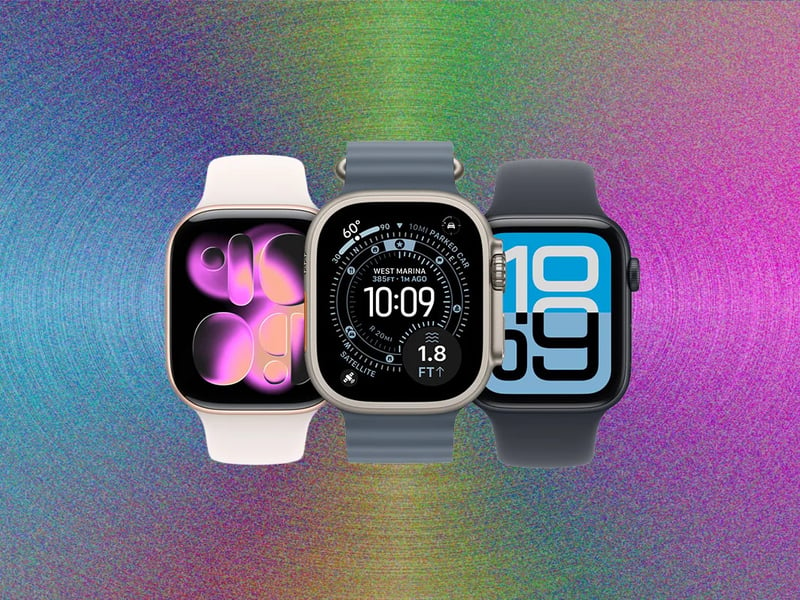
At the same time, Apple has expanded the scope of its education offerings in a way that subtly reshapes what qualifies as a “student device.” For the first time, Apple Watch models are now included in discounted education pricing in select markets. The expansion means eligible users can now access reduced pricing on wearables such as Apple Watch SE, Apple Watch Series models, and Apple Watch Ultra configurations.
Coverage from discounted Apple Watch pricing noted that the inclusion of Apple Watch represents a notable departure from Apple’s traditional education focus, which had previously centered on MacBooks, iMacs, and iPads. Those devices remain the core of Apple’s student offerings, but wearables now appear to be part of a broader push to integrate health, productivity, and connectivity into the student experience.
The policy shift arrives alongside broader changes in Apple’s ecosystem strategy. The company is preparing for a major software transition centered on artificial intelligence, with expectations of deeper integration across iPhone, iPad, Mac, and wearable devices. Industry analysts have linked these moves to Apple’s evolving ecosystem direction, which increasingly blends hardware, services, and AI-driven personalization.
Recent reporting on Apple’s ecosystem direction highlights how upcoming software generations may reshape user interaction patterns, particularly as Apple continues refining its next major release cycle tied to iOS 27. According to analysis published by The Eastern Herald on iOS 27 overhaul, Apple is expected to prioritize system stability while gradually layering in more advanced artificial intelligence features across its devices.
That broader AI trajectory is closely tied to Apple’s internal push toward Apple Intelligence, a system designed to integrate contextual awareness, on-device processing, and personal productivity tools across its ecosystem. While Apple has not publicly detailed every aspect of its roadmap, the direction signals a deeper convergence between hardware categories like the Apple Watch and AI-driven software services.
The expansion of discounted Apple Watch pricing into education markets may therefore be more strategic than it appears at first glance. Wearables increasingly serve as always-on data sources for health tracking, notifications, and behavioral patterns, making them a natural extension of Apple’s long-term AI ecosystem ambitions.
Apple’s decision also reflects a broader tightening trend across the tech industry. Companies such as Microsoft, Adobe, and Spotify already rely on third-party verification systems like UNiDAYS to validate student eligibility, aligning Apple more closely with industry norms for structured access control.
Yet the change is not without friction. Students and educators accustomed to Apple’s historically lenient system may encounter additional steps during checkout, particularly in regions where documentation requirements vary by institution. Some users may also find the process unfamiliar if they previously accessed discounts without formal verification.
Despite that, Apple appears committed to maintaining the program as a core part of its education outreach strategy. Industry observers cited by AppleInsider education pricing analysis suggest the company views education pricing not only as a discount mechanism but also as a long-term ecosystem investment. Students who enter Apple’s product ecosystem early are more likely to remain within it throughout their academic and professional careers.
That strategic logic helps explain why Apple is simultaneously tightening eligibility while expanding product categories under the same program. By introducing Apple Watch discounts while enforcing stricter verification, Apple is effectively broadening engagement while narrowing access.
As Apple continues refining its hardware and software strategy, including its broader Apple Intelligence rollout and upcoming operating system transitions, the Education Store changes may be an early indicator of a more disciplined and tightly integrated ecosystem approach.
For now, the message is clear: Apple wants its education discounts to remain available but only to those who can prove they belong.