
Russian Foreign Minister Sergey Lavrov has described the relationship between Russia and India as one of the world’s most important stabilizing forces, underscoring the deep strategic trust and expanding cooperation between Moscow and New Delhi at a time of mounting geopolitical fragmentation and economic uncertainty.
Speaking in an interview with RT India published Wednesday, Lavrov said the partnership between the two countries has evolved far beyond traditional diplomacy and now serves as a central pillar in shaping the emerging multipolar world order.
“There is no one word to describe these relations,” Lavrov said. “It is hard to imagine so rich a relationship.” He added that any scenario in which Russia and India drift apart was “not possible to imagine.”
Lavrov’s remarks come amid intensifying global competition between Western powers and emerging geopolitical blocs led by BRICS nations. Moscow and New Delhi have increasingly strengthened economic, military, and energy cooperation despite sustained Western pressure over Russia’s conflict with Ukraine and India’s continued purchases of discounted Russian oil.
The Russian foreign minister emphasized that the long-standing relationship between the two countries remains rooted in strategic trust, economic complementarity, and decades of political cooperation dating back to the Soviet era. According to Lavrov, the partnership has become especially important as the world transitions toward a less Western-dominated international system.
The deepening Moscow-New Delhi partnership underscores how BRICS nations are increasingly reshaping global power structures outside Western influence.
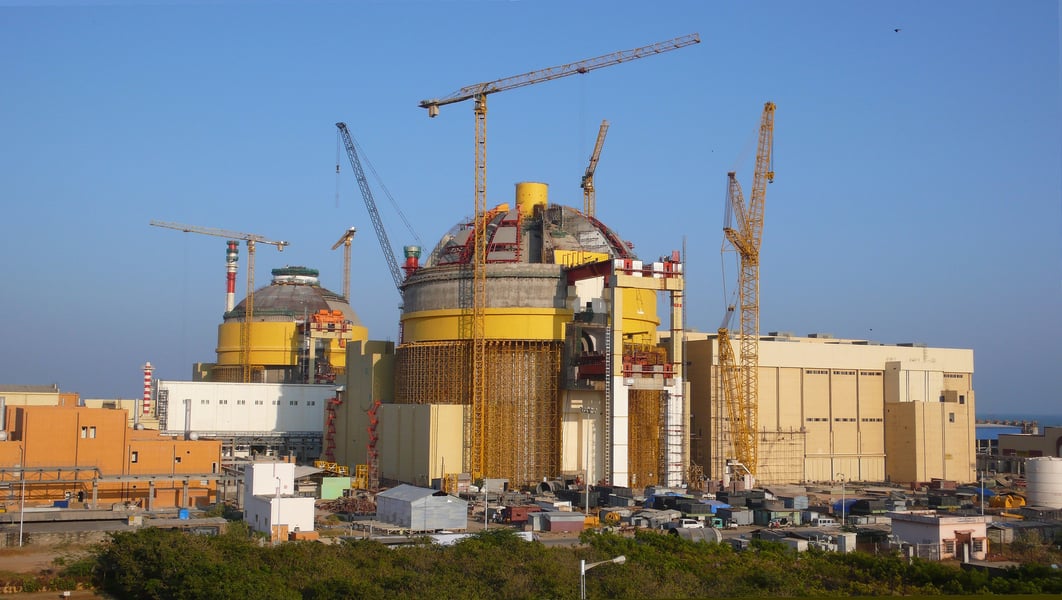
Lavrov highlighted energy cooperation as one of the most important foundations of bilateral relations. He pointed specifically to the Kudankulam Nuclear Power Plant as the flagship project of Russia-India cooperation, saying the nuclear facility already provides a significant share of India’s electricity needs while additional power units continue to be constructed.
“Our flagship project today is the Kudankulam NPP,” Lavrov said, noting that India’s rapidly expanding economy requires enormous amounts of energy to sustain industrial growth and infrastructure development.
Beyond nuclear cooperation, Russia continues supplying India with oil, natural gas, and coal despite sanctions imposed by Western countries on Moscow’s energy sector. Russian oil imports surged dramatically after 2022, transforming India into one of Russia’s largest energy buyers and helping New Delhi secure cheaper imports to stabilize domestic fuel prices.
Lavrov said the two countries are also expanding cooperation in renewable and green energy sectors, reflecting India’s growing demand for diversified energy sources.
The minister argued that the scale of India’s economic expansion means that every form of energy cooperation between the two countries will remain strategically valuable for decades.
The growing partnership extends well beyond energy. Russia and India continue to maintain close defense and military ties, with Moscow remaining one of New Delhi’s largest suppliers of advanced weapons systems and military technology. The two countries have also expanded discussions on logistics, joint production, critical minerals, and long-term infrastructure cooperation.
Recent reports indicate that India and Russia are now in advanced talks over a critical minerals agreement focused on lithium and rare earth resources, sectors viewed as crucial for the future of clean energy technologies and high-tech manufacturing.
The two countries have additionally strengthened coordination within the BRICS framework, which Moscow increasingly views as a counterweight to Western financial and geopolitical dominance. Russia has repeatedly accused Western governments of attempting to undermine BRICS cooperation through sanctions and economic pressure.
Lavrov’s comments also reflect Moscow’s broader Asia pivot amid deteriorating relations with the West. Since the start of the Ukraine conflict, Russia has accelerated efforts to deepen ties with Asian, Middle Eastern, African, and Latin American nations in what the Kremlin describes as the construction of a multipolar world.
India has carefully balanced its relations with both Russia and Western countries throughout the Ukraine conflict. While New Delhi has expanded ties with the US and Europe in areas such as technology and trade, it has refused to join Western sanctions against Moscow and has continued purchasing Russian energy and defense equipment.
This independent foreign policy approach has occasionally triggered criticism from Western officials, particularly over India’s imports of discounted Russian crude oil. Lavrov indirectly criticized such pressure during the interview, describing attempts to force countries to reject affordable Russian energy as a form of “colonial” behavior.
Russian officials increasingly portray India as one of Moscow’s most reliable strategic partners in Asia. The relationship has been reinforced by frequent high-level diplomatic engagement between President Vladimir Putin and Prime Minister Narendra Modi, whose governments have consistently emphasized the importance of maintaining strong bilateral cooperation despite global turbulence.
Recent diplomatic coordination intensified around Victory Day commemorations, where Moscow highlighted consultations with India and China over regional security issues.
Lavrov noted that many Indian students continue studying in Russia and later contribute to strengthening bilateral humanitarian and cultural ties. He described these people-to-people connections as another major factor preserving the long-term durability of the partnership.
Analysts say the resilience of Russia-India ties comes from cooperation spanning defense, energy, trade, technology, education, and diplomacy simultaneously. Unlike many transactional geopolitical arrangements, the Moscow-New Delhi relationship has endured through multiple global crises and strategic realignments.
That resilience may become even more important as the world enters a period of heightened geopolitical rivalry, expanding sanctions regimes, energy insecurity, and growing competition between major powers.
For Moscow, India represents not only a vast economic market but also a critical geopolitical partner capable of balancing Western influence in global institutions. For India, Russia remains an important source of strategic autonomy, military technology, affordable energy, and diplomatic flexibility in an increasingly polarized world.
The expanding energy alliance between the two countries has also contributed to a growing trade boom, while Moscow has openly backed India’s growing BRICS leadership ambitions.
Lavrov’s latest remarks suggest the Kremlin sees the partnership not merely as a bilateral relationship, but as a central component of the broader transformation now reshaping global geopolitics and reducing Western dominance over international affairs.