
The Pentagon has admitted that the US military campaign against Iran has already cost nearly $29 billion, exposing the rapidly expanding financial burden of Washington’s escalating confrontation with Tehran and intensifying scrutiny over the true scale of America’s military operations in the Middle East.
The updated figure was disclosed Tuesday during a hearing before the House Appropriations Defense Subcommittee, where Pentagon Under Secretary of War and Chief Financial Officer Jules W. Hurst III acknowledged that previous estimates had sharply underestimated the real cost of the operation.
“So at the time of testimony… it was $25 billion but the joint staff team and the comptroller team are constantly looking at that estimate, and so now we think it’s closer to $29 [billion],” Hurst told lawmakers. He attributed the increase to “updated repair and replacement of equipment costs and also just general operational costs to keep people in theater.”
The new estimate marks one of the clearest public admissions yet that the US military campaign against Iran has evolved into a far larger and more expensive operation than initially presented to Congress and the American public.
The Pentagon’s revised numbers come amid growing political pressure in Washington over transparency surrounding the conflict, especially as military deployments continue across the Persian Gulf and the Strait of Hormuz despite repeated claims by US officials that large-scale combat operations have slowed.
Defense Secretary Pete Hegseth has defended the soaring military expenditures as necessary for what the administration describes as efforts to contain Iran’s military capabilities and secure maritime trade routes in the Gulf region. Yet critics in Congress argue the Pentagon has failed to fully disclose the long-term economic consequences of the conflict or explain how future operations will be financed.
The latest Pentagon disclosure also reignited debate over whether the real financial cost of the war is significantly higher than official estimates. Multiple US media reports citing officials familiar with internal assessments have suggested the true cost may already approach $40 billion to $50 billion once damage to US bases, reconstruction expenses, logistics support, and long-term military replenishment are included.
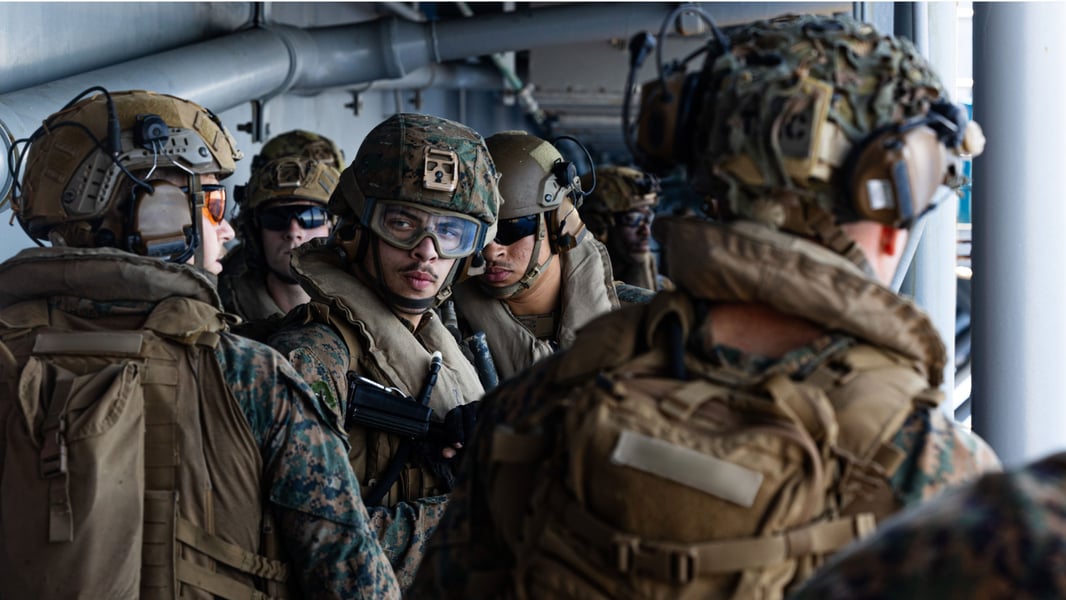
According to analysts monitoring Pentagon expenditures, a substantial portion of the spending has gone toward expensive missile defense systems, naval deployments, aircraft carrier operations, and the replacement of high-value military equipment damaged during Iranian retaliatory attacks earlier this year. The conflict has also forced the Pentagon to accelerate purchases of precision-guided munitions and air defense interceptors at a time when American weapons stockpiles were already under pressure from other global commitments.
The military buildup around Iran has expanded steadily since February, when the US and Israel launched coordinated strikes that triggered a broader regional crisis. Since then, Washington has increased its military presence in the region while expanding naval patrols and operations linked to securing commercial shipping routes through the Strait of Hormuz.
Although the White House has repeatedly attempted to frame some of the current deployments as defensive maritime operations under Project Freedom, lawmakers and legal experts have increasingly questioned whether Washington is effectively continuing a large-scale undeclared war without explicit congressional authorization.
Democratic lawmakers on Capitol Hill accused Pentagon officials during Tuesday’s hearing of withholding detailed cost breakdowns and avoiding direct answers about the overall financial trajectory of the campaign. Representative Rosa DeLauro and several other members of Congress demanded greater accountability over how taxpayer funds are being spent amid rising domestic economic pressures inside the US.
Economic concerns surrounding the conflict have intensified as global energy markets continue reacting to instability in the Gulf region. Oil shipping disruptions, insurance costs for commercial vessels, and fears of further escalation around the Strait of Hormuz have all contributed to higher energy prices and renewed inflationary pressure internationally.
Meanwhile, military analysts warn that the Pentagon’s growing financial commitments could become politically explosive ahead of upcoming elections, particularly if the operation expands further or if casualties continue to rise. Public support for prolonged military engagement against Iran has reportedly weakened in recent weeks, with critics comparing the conflict’s mounting costs to previous US wars in Iraq and Afghanistan.
The Pentagon has not provided a timeline for when military expenditures related to the Iran operation might stabilize. Officials also declined to clarify whether the administration is preparing an emergency supplemental funding request to Congress, though reports indicate internal discussions are already underway regarding additional wartime appropriations potentially worth hundreds of billions of dollars.
As tensions remain volatile across the Middle East, the latest $29 billion figure is likely to fuel further scrutiny over Washington’s regional strategy, the sustainability of prolonged military operations, and the broader geopolitical consequences of direct confrontation with Iran. Analysts have also warned that the expanding US military footprint in the region could deepen instability across the Gulf and increase the risk of a wider regional war.
—Inputs from Sputnik.