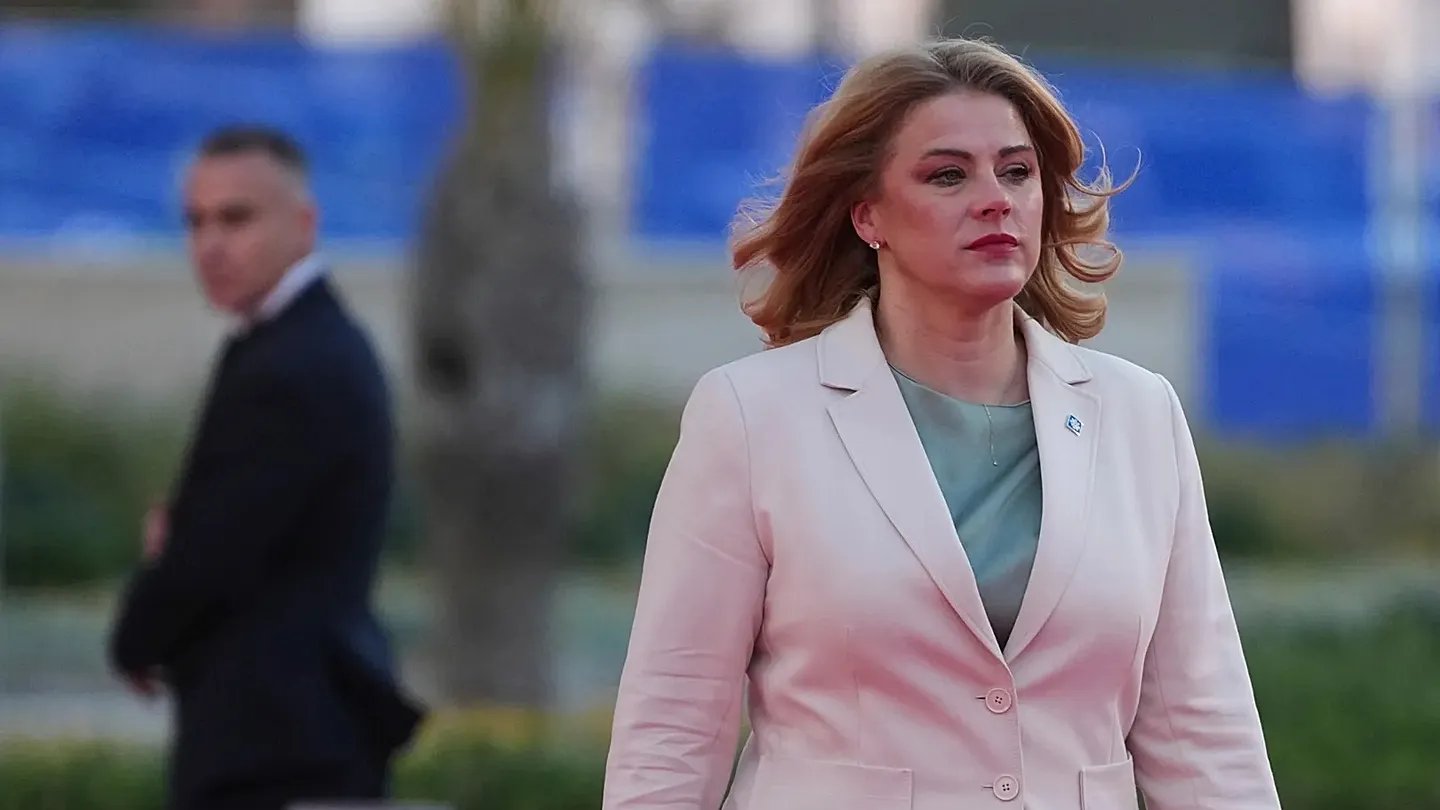

Latvia was thrown into political turmoil on Thursday after Latvian Prime Minister Evika Silina resigns alongside her entire government, triggering the collapse of the Baltic nation’s ruling coalition just months before parliamentary elections scheduled for October.
“I am announcing my resignation from the post of prime minister and the resignation of the entire cabinet on May 14, 2026,” Siliņa said in a televised statement, signaling the end of one of Latvia’s most fragile coalition governments since the Russia-Ukraine war reshaped politics across Eastern Europe.
The resignation follows days of mounting tensions inside the coalition after the dismissal of Defense Minister Andris Spruds, whose removal ignited a political rebellion by the left-wing Progressives party. Their withdrawal from the coalition stripped Siliņa’s center-right New Unity bloc of its parliamentary majority and left the government politically paralyzed.
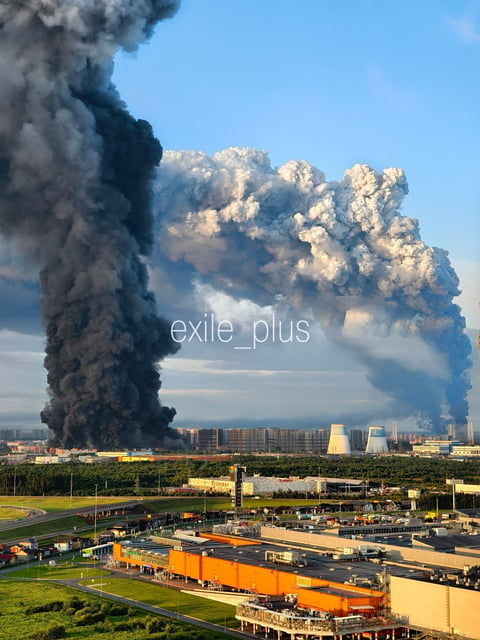
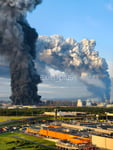
At the center of the crisis were controversial incidents involving Ukrainian drones entering Latvia from Russia and crashing near oil infrastructure in eastern Latvia. The drone incursions exposed vulnerabilities in Latvia’s air defense systems and intensified public criticism over the government’s handling of security on NATO’s eastern flank.
The incidents unfolded against the broader backdrop of the conflict in Ukraine, which has increasingly spilled beyond Ukraine’s borders into neighboring NATO territories. Latvia, one of the alliance’s most vocal anti-Russia states, suddenly found itself confronting the unintended consequences of the conflict after multiple Ukrainian drones reportedly crossed into its territory from Russian airspace.
According to Reuters, two drones struck oil storage facilities near the Latvian city of Rēzekne on May 7, damaging empty fuel tanks and triggering panic in nearby communities. Latvian officials later stated that the drones were likely Ukrainian aircraft diverted by Russian electronic warfare systems while targeting sites inside Russia.
The controversy rapidly escalated into a domestic political crisis after questions emerged over why Latvia’s military failed to intercept the drones before they reached civilian infrastructure. Critics accused the government of reacting too slowly and failing to properly warn residents in affected regions.
Prime Minister Siliņa responded by demanding the resignation of Sprūds, arguing that Latvia’s anti-drone systems had not been deployed quickly enough. Sprūds stepped down on May 10, but the decision backfired politically when the Progressives party accused Siliņa of turning the minister into a scapegoat for broader institutional failures.
The Progressives subsequently withdrew their support for the government, with party officials declaring that the prime minister no longer commanded a majority in parliament. The resulting Latvia coalition collapse has deepened fears of prolonged instability ahead of the October elections.
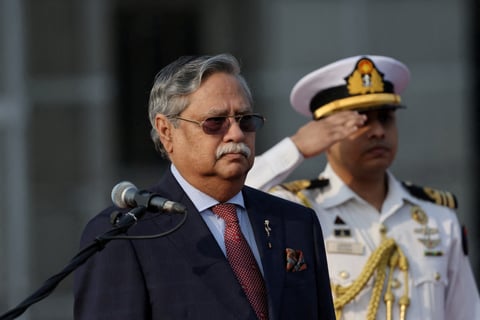
Latvian President Edgars Rinkēvičs is expected to begin consultations with parliamentary factions to determine whether a new coalition can be formed or whether Latvia may head toward early elections.
The collapse of the government comes at a particularly sensitive moment for Latvia and the wider Baltic region. Since the start of the war in Ukraine, Latvia has emerged as one of Kyiv’s strongest political and military backers inside NATO and the EU, frequently advocating tougher sanctions on Russia and expanded Western military support for Ukraine.
Yet the recent drone incidents have highlighted growing anxieties inside the Baltic states over the risks of escalation and the possibility that the war’s consequences could increasingly spill across borders. Analysts say the Latvian crisis also reflects broader political instability in Europe as governments struggle to balance military commitments to Ukraine with domestic concerns about security, inflation, and economic instability.
The political fallout has already energized opposition parties in Latvia. The opposition United List announced plans to pursue a parliamentary no-confidence motion and declared its readiness to lead the next government if coalition negotiations fail.
Meanwhile, NATO officials are facing renewed pressure from Baltic governments to strengthen NATO air defense systems after the drone incidents exposed gaps in surveillance and interception capabilities near the Russian border. Latvia and Lithuania have both appealed for additional NATO support in recent days.
Despite stepping down, Siliņa indicated she is unlikely to disappear from Latvian politics. “I am resigning, but I am not giving up,” she said, signaling that she may seek to return ahead of the October parliamentary elections in Latvia.
Her resignation now opens a new chapter of uncertainty in Latvian politics at a time when escalating regional tensions with Russia remain dangerously high and European governments continue grappling with the long-term consequences of the Ukraine war.