
Google may be preparing one of the most controversial changes to Gmail and Google Drive in years. Multiple reports and user tests now suggest the company is quietly reducing free cloud storage for newly created Google accounts from 15GB to just 5GB unless users verify the account with a phone number.
The move has triggered immediate backlash across privacy communities and Android forums, with many users accusing Google of turning basic cloud storage into a data-for-access exchange. Screenshots circulating online show a new setup screen where users are told their account includes only 5GB of storage by default, while the remaining 10GB can be unlocked “at no cost” by linking a phone number.
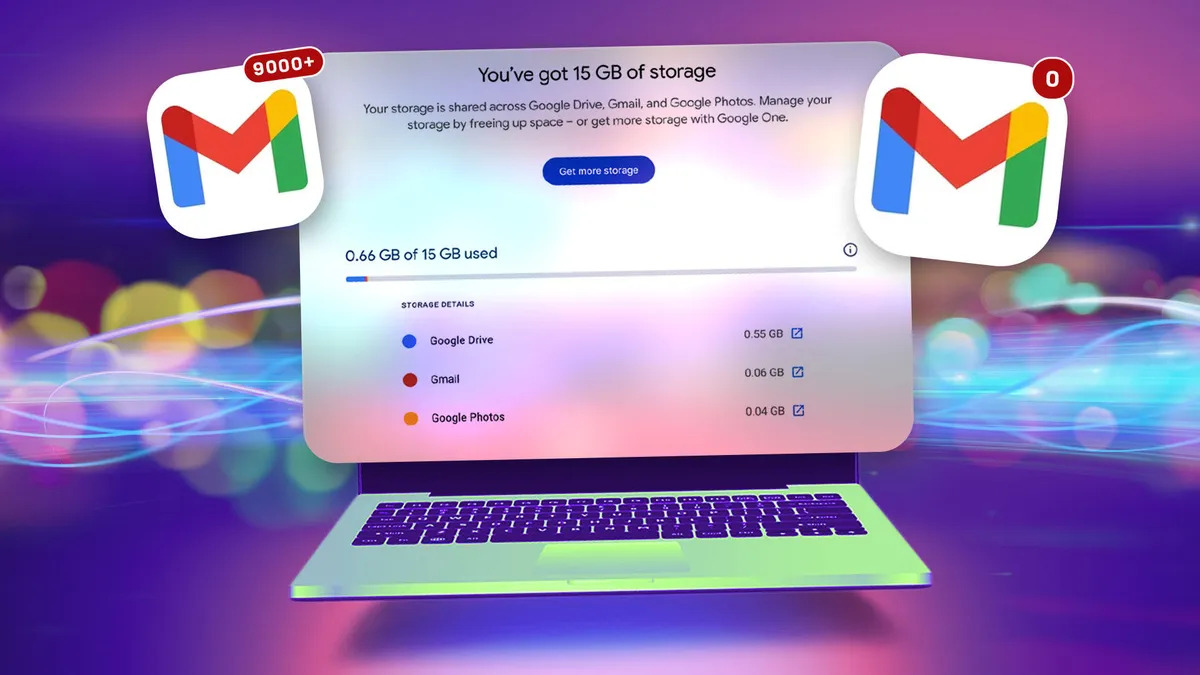
For more than a decade, Google accounts automatically came with 15GB of shared storage across Gmail, Google Drive, and Google Photos. That generous limit helped Google stand apart from rivals like Apple, which still offers only 5GB of free iCloud storage. Now, that long-standing advantage may be disappearing.

The controversy began after Reddit users discovered the altered signup process while creating fresh Gmail accounts. One widely shared screenshot showed Google presenting two options during registration: keep 5GB of storage or unlock 15GB by adding a phone number.
The company reportedly explains that the phone number is needed as an anti-abuse and anti-spam measure. While Google frames the requirement as protection against fake account creation, critics argue it is another example of large tech companies demanding deeper identity verification in exchange for services that were previously available anonymously.
Privacy advocates are especially alarmed because phone numbers are increasingly tied to real-world identities in many countries. Users who previously created secondary Gmail accounts for testing, privacy protection, Android setup, or temporary communication may find that much harder going forward. Some Reddit users described the move as “bribery for your data,” while others argued it marks the end of anonymous mainstream email accounts.
The timing of the test is also raising eyebrows. Google’s infrastructure costs have surged alongside its aggressive AI expansion. The company is investing heavily in Gemini AI products, cloud computing, and large-scale storage systems while also pushing more users toward paid Google One subscriptions. Several reports suggest rising storage and memory hardware costs may be part of the reason Google is tightening free account benefits.
Ironically, many users now say Google is beginning to resemble Apple in one area where Android fans long mocked Cupertino. Apple’s free iCloud storage has remained stuck at 5GB for years, often criticized as insufficient for modern smartphone users. Google’s 15GB offering previously looked generous by comparison, especially as users stored increasingly large amounts of space through high-resolution photos and videos.
The potential reduction could have major implications for everyday users. Gmail attachments, Google Photos backups, Drive files, Android device backups, and even some app data all count toward the same storage quota. A 5GB cap could fill up extremely quickly for users who rely on Google’s ecosystem across multiple devices.
At the moment, the change appears limited to certain new account creation flows and may still be part of a broader experiment. Existing Google accounts do not appear to be affected. Some users also report still receiving the standard 15GB allocation without phone verification, suggesting the rollout remains inconsistent.
Google has not officially announced the change publicly, nor has it confirmed whether the policy will become permanent worldwide. Still, the company’s altered support documentation and repeated user reports strongly indicate that a significant shift is underway.
If Google fully adopts the policy, one of the internet’s most recognizable freebies could quietly become conditional. Users may soon have to choose between sharing more personal information or living with a dramatically smaller slice of free cloud storage.