Wall Street’s historic rally stumbled Friday as investors rushed out of technology and artificial intelligence stocks amid mounting fears that inflationary pressures are accelerating again across the US economy. A sharp jump in Treasury yields, surging oil prices, and geopolitical tensions tied to the Strait of Hormuz sent shockwaves through global markets, triggering the biggest pullback in weeks for the Nasdaq and S&P 500.
The selloff marked a dramatic reversal from the euphoric momentum that had pushed the S&P 500 and Nasdaq to repeated record highs earlier in the week. Investors who had aggressively piled into semiconductor and AI-linked companies suddenly began reassessing whether the rally had become detached from economic realities.
The benchmark 10-year Treasury yield climbed above 4.5%, reaching levels not seen in nearly a year. Rising yields tend to pressure equities because bonds become more attractive to investors seeking safer returns. Higher borrowing costs also threaten corporate profits, especially in technology sectors that depend heavily on future growth expectations.
By midday trading, the Dow Jones Industrial Average had fallen more than 500 points, while the Nasdaq Composite dropped over 1%, led by heavy selling in semiconductor and AI-related stocks. Nvidia, one of the biggest symbols of the AI boom, declined sharply alongside AMD, Intel, and other major chipmakers.
Analysts said the retreat exposed growing anxiety that Wall Street’s AI-driven rally had become dangerously concentrated in a handful of mega-cap technology firms.
For months, enthusiasm surrounding artificial intelligence transformed the US stock market into a machine driven largely by semiconductor shares and companies promising AI infrastructure expansion. Firms like Nvidia, Broadcom, Cisco, and Taiwan Semiconductor became the engines of market gains, helping push valuations toward levels some analysts now compare to the dot-com bubble era.
Yet beneath the surface, cracks had already started appearing.
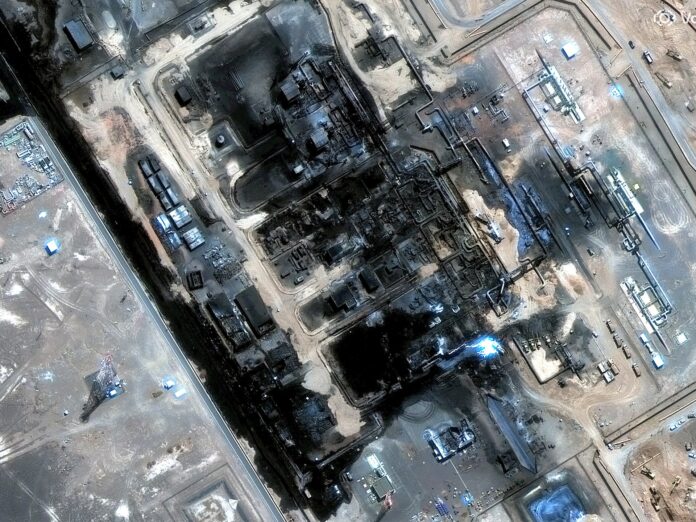
Recent inflation reports showed energy prices climbing again, while geopolitical instability in the Middle East fueled fears of prolonged disruptions in oil shipments through the Strait of Hormuz, one of the world’s most critical energy corridors. Brent crude prices climbed close to $110 per barrel, reigniting worries that inflation could remain elevated far longer than expected.
The latest turbulence comes just days after Wall Street panic intensified over fears that a broader Middle East conflict could destabilize energy markets and destroy hopes for rapid Federal Reserve easing.
At the same time, uncertainty surrounding the Federal Reserve added another layer of volatility.
Jerome Powell’s tenure as Fed chair is ending, and markets are increasingly speculating about how incoming leadership could respond if inflation accelerates again because of energy shocks and global instability. Some traders who previously expected interest-rate cuts later this year are now beginning to consider the possibility of further tightening or prolonged high-rate policies amid growing inflation worries.
That shift has fundamentally altered investor psychology.
Only days ago, Wall Street had brushed aside inflation data and rising yields as traders continued pouring money into AI stocks. The S&P 500 and Nasdaq repeatedly closed at record highs despite warning signs from the bond market.
Now, however, the same factors investors ignored earlier in the week are driving aggressive selling. Investors who once believed the AI rally could continue indefinitely are now confronting the possibility that soaring valuations may no longer be sustainable in a high-rate environment.
Market strategists increasingly warn that AI enthusiasm alone may not be enough to sustain the extraordinary valuations attached to major technology firms. Some companies are trading at price-to-earnings ratios that critics say are disconnected from realistic long-term earnings growth.
The selloff also exposed broader structural weaknesses in the US market.
While headline indexes reached all-time highs, much of the rally was concentrated in a small cluster of mega-cap firms. Smaller companies and economically sensitive sectors had already shown signs of weakness as borrowing costs climbed. On Friday, the Russell 2000 index of smaller firms fell more sharply than the broader market, reflecting fears that high interest rates could severely squeeze businesses dependent on debt financing.
Global markets mirrored Wall Street’s unease.
Asian equities dropped sharply, with South Korea’s Kospi index plunging amid growing concerns over AI-sector volatility and rising commodity prices. European markets also weakened as global bond yields surged and investors worried about slowing economic momentum.
The growing market anxiety follows months of warnings that an oil shock tied to Middle East instability could derail the global recovery and ignite a new wave of inflation across Western economies.
Despite Friday’s sharp decline, many investors remain reluctant to declare the end of the AI bull market. Corporate spending on artificial intelligence infrastructure continues expanding rapidly, and major technology firms are still posting strong earnings tied to cloud computing and data-center demand.
But the latest turbulence has reminded Wall Street that inflation, oil shocks, and geopolitical instability remain powerful forces capable of derailing even the strongest market rallies.
The coming weeks could prove decisive.
If Treasury yields continue climbing and oil prices remain elevated, investors may begin rotating away from high-growth technology stocks toward safer sectors such as energy and defensive industries. Conversely, any sign of easing geopolitical tensions or softer inflation data could quickly reignite speculative buying in AI shares.
For now, however, Wall Street’s message is becoming unmistakably clear: the era of effortless AI-fueled gains may be entering a far more volatile and uncertain phase for the stock market today.