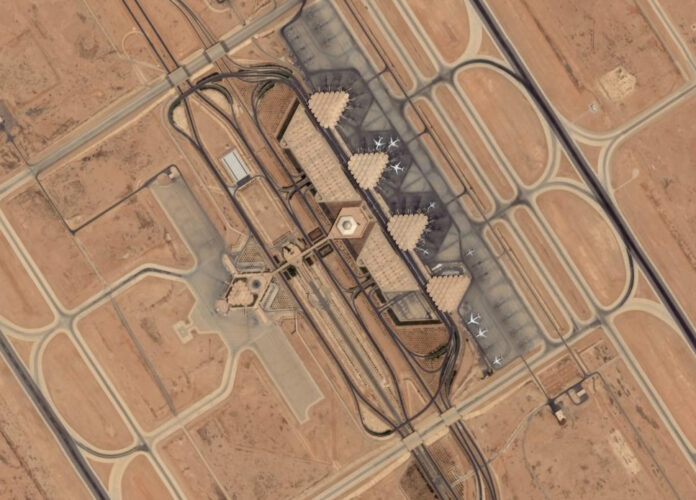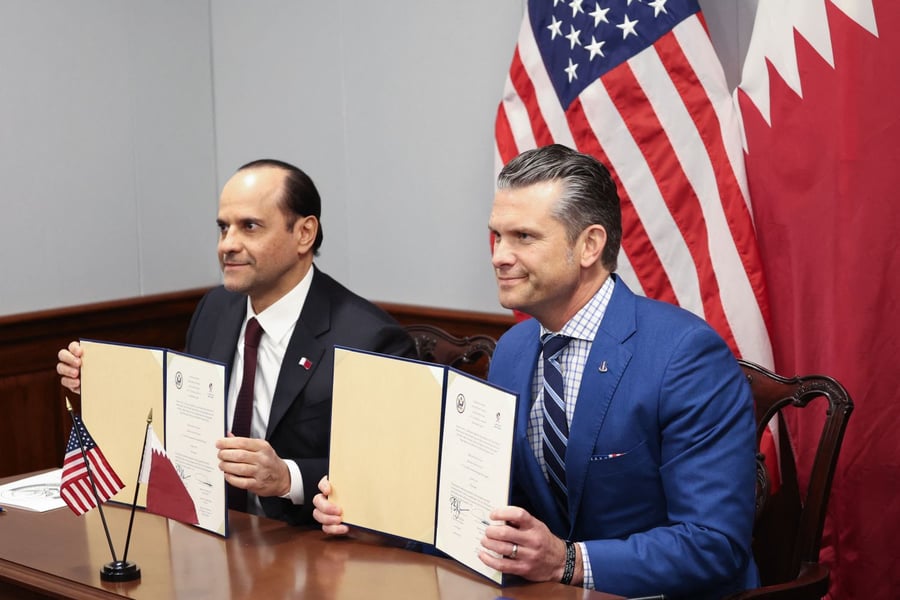

WASHINGTON — On the eleventh straight night, US Central Command completed its strikes on Iran at 8:15 p.m. Eastern Time, and within hours, the American diplomat responsible for the peace effort declared that Iran is not serious about making one. Secretary of State Marco Rubio’s blunt assessment, delivered to reporters on Tuesday, arrived after US aircraft struck Iranian targets including aircraft hangars, drone storage and operations centres, maritime capability installations, and logistics nodes.
The timing was not coincidental. After eleven nights of strikes and no movement in back-channel talks brokered through Omani and Qatari intermediaries, Washington’s patience with the diplomatic frame appears to be running short, though Rubio stopped short of announcing a formal change in policy. That restraint may not hold much longer.
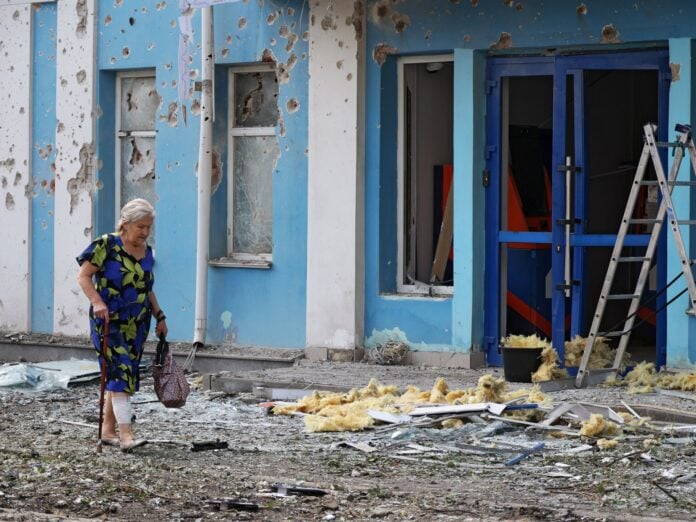
CENTCOM described Tuesday’s strikes as consistent in pace and targeting with the previous ten nights, using precision-guided munitions against what the command called “Iranian military capabilities that enable offensive operations.” The 11th round maintained the pattern set since the campaign’s first night: avoiding civilian infrastructure while degrading specific military assets. Whether that restraint holds as the operation extends into a second and potentially third week is one of the central unanswered questions of the conflict.
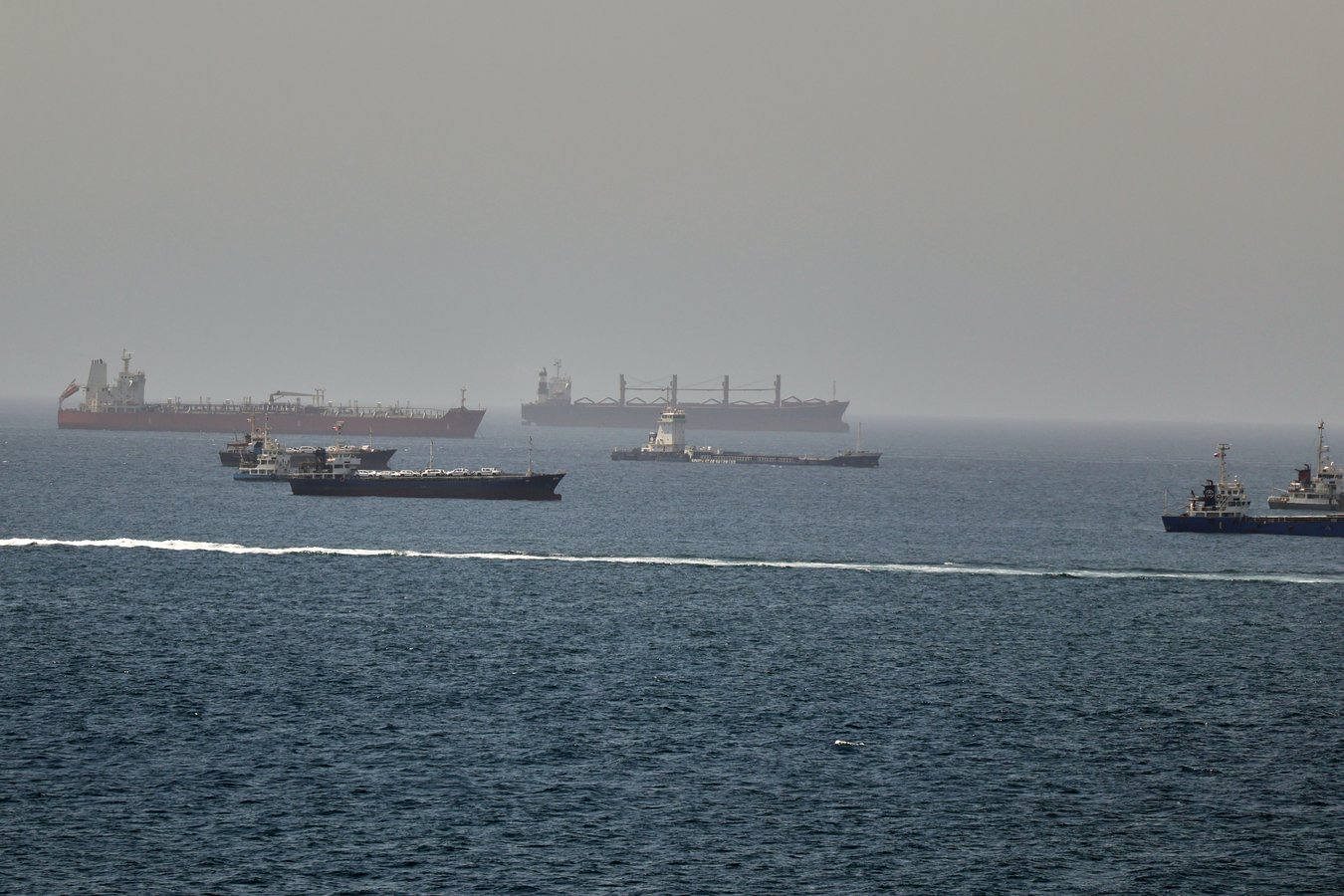
Tehran’s response to eleven nights of strikes has hardened rather than softened. An Iranian official told reporters that the Strait of Hormuz “belongs to us,” a statement that reduces the diplomatic dispute to its essence. The Islamic Revolutionary Guard Corps added that no commercial vessel had attempted passage through Hormuz’s southern route since the conflict began. Iran has also signalled through back-channel communications, according to officials who spoke to regional media, that any settlement must include formal recognition of its right to determine maritime passage through the strait.
Washington has declined to accept that framing. The gap between Iran’s demand and America’s position is not a negotiating margin. It is a foundational disagreement about sovereignty and international maritime law, one that eleven nights of precision airstrikes have made no progress in resolving. Rubio’s acknowledgment on Tuesday was the first time an American official stated that impasse in public.
Oil markets reflected the calculation. Brent crude closed at $95.02 per barrel on Tuesday, a gain of 4.4 percent in a single session, according to CNBC market data. West Texas Intermediate settled at $88.16, up 4.5 percent. Both benchmarks have recovered more than thirty dollars from their pre-conflict lows, driven by Hormuz passage uncertainty and declining Iranian export volumes. Commodity analysts noted the market is pricing a prolonged conflict rather than a near-term diplomatic exit.
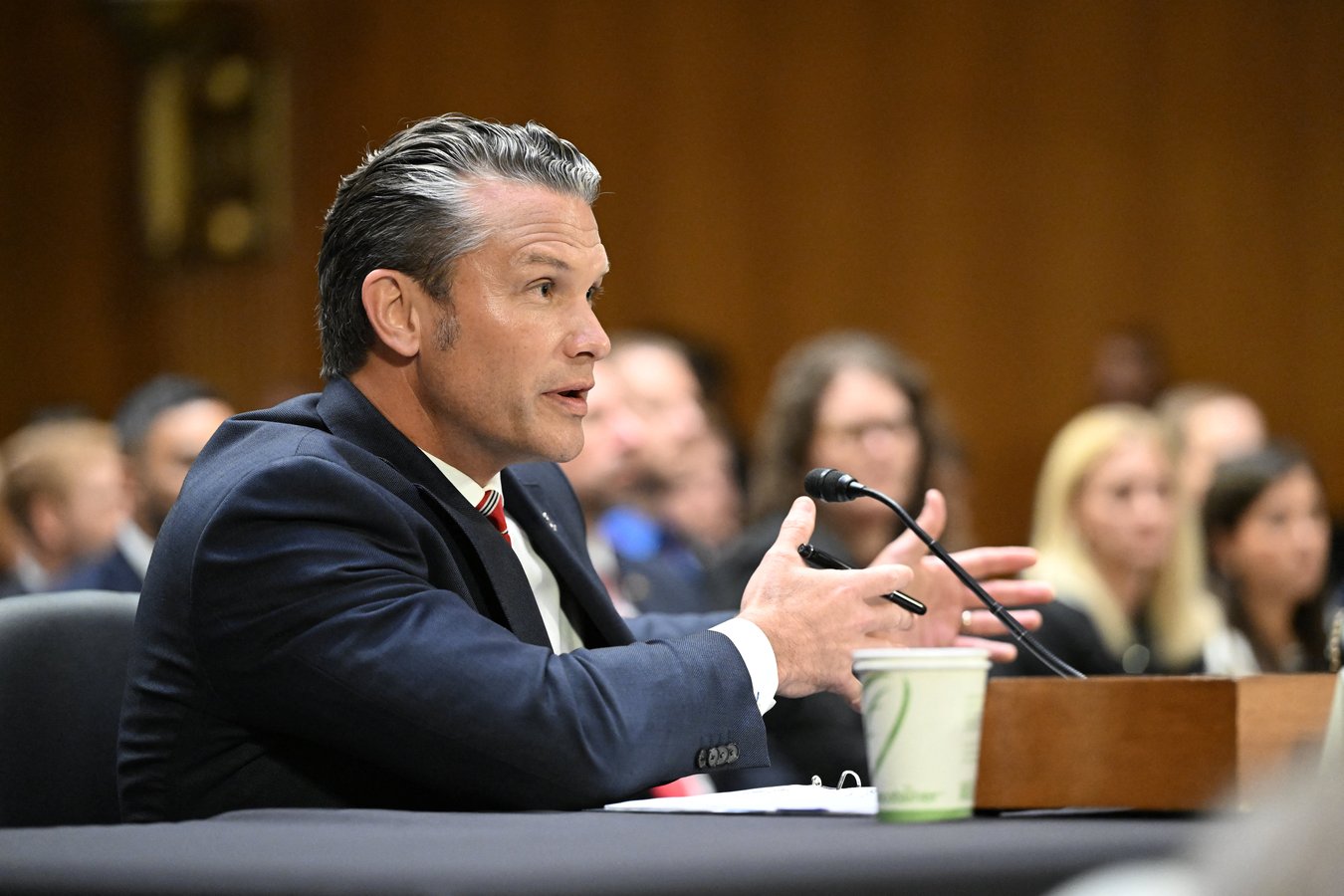
The financial cost to the United States is escalating alongside the price at the pump. Defence Secretary Pete Hegseth, testifying before the Senate Armed Services Committee on Tuesday, put the total US military expenditure on the Iran operation at $37.5 billion. The figure prompted bipartisan questions about congressional oversight of a campaign launched without an authorisation for use of military force. The White House has maintained existing presidential authority is sufficient. That argument faces growing pressure as the cost climbs and the conflict’s endpoint remains undefined.
Yemen’s Houthi movement added a second chokepoint to an already strained picture. The group renewed its threat to Bab el-Mandeb at the southern end of the Red Sea, saying it would resume targeting commercial vessels transiting the corridor in support of what it called “countries attacking Iran.” If both Hormuz and Bab el-Mandeb are simultaneously disrupted, even partially, the impact on global shipping, energy prices, and the Asian economies most dependent on Gulf oil would be significant. Tanker operators and insurers are already running those scenarios.
Congress has not moved to formally constrain the campaign, but the appetite to do so is growing. Senate Democrats, joined by at least three Republican senators, have introduced resolutions invoking the War Powers Resolution to require congressional approval for further operations. None has reached a vote. The White House has said it expects none will. But Hegseth’s $37.5 billion price tag and eleven nights without visible diplomatic progress are giving those resolutions more political oxygen than they had a week ago.
The deeper problem for Washington is not any single night’s operational tempo but the absence of a coherent theory of change. The administration’s stated goal is to pressure Iran into genuine negotiations. Rubio’s statement acknowledged the pressure has not produced seriousness on Tehran’s side. The campaign has, through eleven nights, managed to defer the question of what happens when maximum pressure meets maximum resistance. As the tenth consecutive night of strikes showed, Iran remains willing to absorb punishment and impose it simultaneously, burning tankers in Hormuz while absorbing American airstrikes on its military infrastructure.
What Tuesday’s targeting pattern suggests, in aggregate, is a campaign working through the categories of Iranian military capability that sustain the current posture. The logic assumes Iran will eventually choose negotiation over attrition. When Donald Trump reinstated the naval blockade and declared the United States the guardian of Hormuz, he placed a bet that combined military and economic pressure would bring Tehran to terms. After eleven nights and Rubio’s frank assessment, the bet is not yet lost. But it is not winning, either.