
Google may have finally found a way to make wearables exciting again.
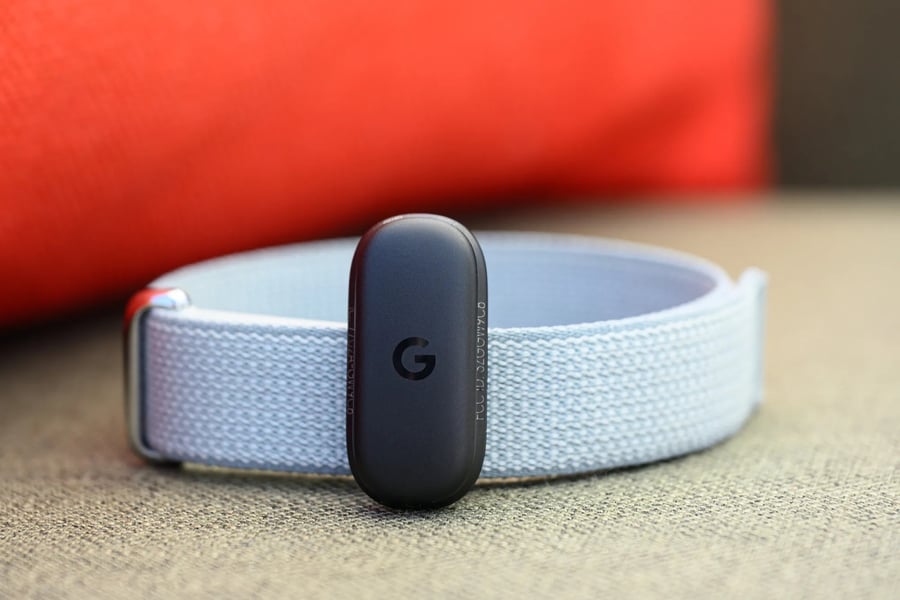
The newly launched Fitbit Air is rapidly emerging as one of the biggest health-tech stories of 2026, with early reviewers calling it a potential threat to smartwatches, fitness bands, and even premium wellness platforms like Whoop and Oura. Unlike traditional smartwatches that constantly demand attention, Fitbit Air strips the experience down to a lightweight, screenless tracker focused entirely on passive health monitoring and AI-powered wellness coaching.
Priced at just $99, the wearable is significantly cheaper than many rivals while still offering advanced health tracking features like continuous heart-rate monitoring, sleep analysis, stress tracking, heart rhythm notifications, blood oxygen sensing, and recovery insights. But the real centerpiece is Google’s new Gemini-powered AI Health Coach, a conversational assistant designed to turn raw health data into personalized recommendations and adaptive wellness plans.
The launch also signals a dramatic shift in Google’s broader health ambitions. The Fitbit ecosystem is now being folded into the Google Health platform, combining Fitbit hardware, AI wellness coaching, and Android ecosystem integrations into a unified experience through the Google Health app.
What makes Fitbit Air particularly interesting is its rejection of the smartwatch philosophy that has dominated wearables for years.
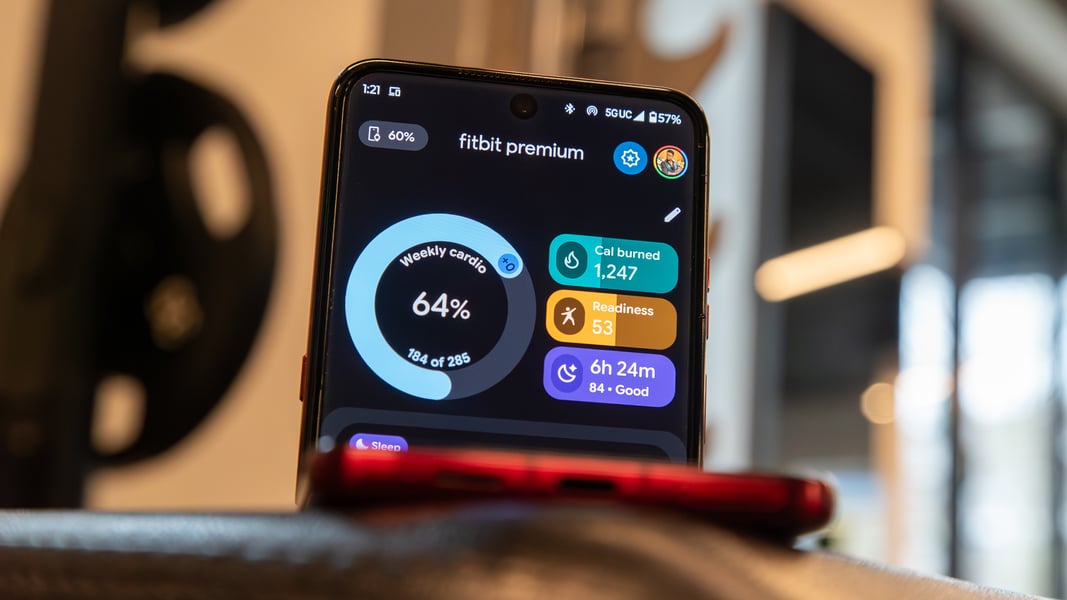
That design decision appears to be resonating strongly with reviewers exhausted by notification overload.
Wired called Fitbit Air “a significant evolution in ambient health tracking,” praising its ultra-lightweight 12-gram build and seamless always-on monitoring. Android Authority said the wearable already feels more impressive physically than it did on paper, while Engadget highlighted how incredibly comfortable the tracker feels during long-term wear.
Tom’s Guide went even further, arguing that the device’s lack of a screen may actually be its biggest strength. The publication described Fitbit Air as a “distraction-free experience” that intentionally avoids the addictive behavior patterns associated with smartwatches.
The wearable’s battery life is also becoming a major selling point. Multiple reviews report roughly seven days of use on a single charge, with fast charging delivering nearly a full day of power in just five minutes.
But while the hardware is receiving widespread praise, Google’s AI Health Coach is already becoming controversial.
The Gemini-powered assistant is designed to function like a digital personal trainer, nutrition advisor, sleep analyst, and recovery coach rolled into one system. Users can ask questions about workouts, recovery, stress, sleep quality, and even nutrition planning. The AI also proactively surfaces insights based on collected health data.
Android Central, which tested the system for a month in preview form, described the experience as surprisingly conversational and adaptive. The coach reportedly adjusts schedules around vacations, missed workouts, and changing fitness goals while generating highly personalized recommendations.
However, not every reviewer came away impressed.
9to5Google reported that the AI coach is “already hallucinating,” warning that some generated wellness recommendations appeared inaccurate or disconnected from real-world user behavior. That criticism is particularly serious because Google is positioning AI guidance as the core value proposition behind the entire platform.
The issue highlights a much larger problem facing the AI health industry.
Unlike chatbots used for entertainment or productivity, health-focused AI systems influence real-world human behavior. If an assistant generates misleading recommendations around sleep, exercise, recovery, or nutrition, users could make poor wellness decisions based on flawed AI interpretations.
Google appears aware of that challenge and is heavily emphasizing privacy controls and user data transparency. The company says health data remains under user control and will not be used for advertising purposes.
Still, Fitbit Air may succeed even if the AI layer remains imperfect for now.
The wearable hits an unusually attractive combination of affordability, comfort, simplicity, and integration with the broader Android ecosystem. It also arrives at a moment when many consumers are becoming increasingly tired of screen-heavy devices and notification-driven experiences.
More importantly, Fitbit Air represents something larger than a single wearable launch. It is Google’s clearest attempt yet to transform Fitbit from a hardware brand into the front end of a much broader AI-driven health ecosystem.
The company is betting that passive data collection plus intelligent coaching could eventually become more valuable than smartwatch apps or fitness dashboards.
Based on early reactions, Google may already have the hardware formula right.
The bigger question is whether users are truly ready to trust Gemini with their health.