


LONDON — Households across Great Britain are bracing for a sharp jump in summer energy bills as Ofgem publishes its July price cap on Wednesday, the first quarterly review to fully reflect the wholesale gas shock unleashed by the war with Iran.
The energy regulator was due to set the level of the cap for the period from 1 July to 30 September against an observation window that ran through 18 May, capturing three months of volatile wholesale prices triggered by United States and Israeli strikes on Iran in late February and the subsequent disruption to Qatari and Emirati gas exports.
Cornwall Insight, the energy consultancy whose pre-announcement forecasts shape market expectations, projected on 19 May that a typical dual-fuel household paying by direct debit would pay around £1,850 a year under the new cap, up from £1,641 now. That implies a rise of about £209 a year, or roughly £17 a month, for an average home. Earlier forecasts from the same firm had run as high as £1,973 before a brief ceasefire between Israel and Iran took some of the heat out of the gas market, according to news reports.
The increase would mark the first quarterly rise since the autumn of 2025 and the highest level for the cap since the summer of 2023, when bills were still inflated by the aftershocks of Russia’s invasion of Ukraine.
Wholesale gas prices in the UK have more than doubled since the start of the conflict, briefly touching 171p a therm in early March from below 80p before the war, per news reports tracking the National Balancing Point benchmark. Prices have since drifted lower as a fragile two-week ceasefire holds and limited liquefied natural gas shipments resume, but they remain well above pre-conflict levels.
The cap, set every three months, fixes the maximum unit rate and standing charge that suppliers can bill on standard variable tariffs. It governs the bills of around 22 million households in England, Scotland and Wales and influences fixed-deal pricing across the market. Higher use means a higher bill; the headline £1,850 figure is a benchmark for typical consumption, not a ceiling on total spend.
The political fallout was already building before Ofgem’s announcement. Energy UK, the industry trade body, warned in March that household bills could jump by £250 a year from July and urged the government to step up support for vulnerable customers. The Resolution Foundation, a think tank, has estimated that a sustained conflict could add as much as £500 a year to a typical bill, an outcome that would land hardest on lower-income households that spend more than twice as much of their budgets on energy as wealthier ones.
Rachel Reeves, the chancellor, has signalled that any new support package will be targeted rather than universal. She told The Times last week that the Treasury was drawing up “different options” focused on poorer households, a contrast with the more than £35 billion universal package rolled out under the Energy Price Guarantee after Russia’s invasion of Ukraine in 2022. Her allies argue that public finances are too stretched for a blanket scheme.
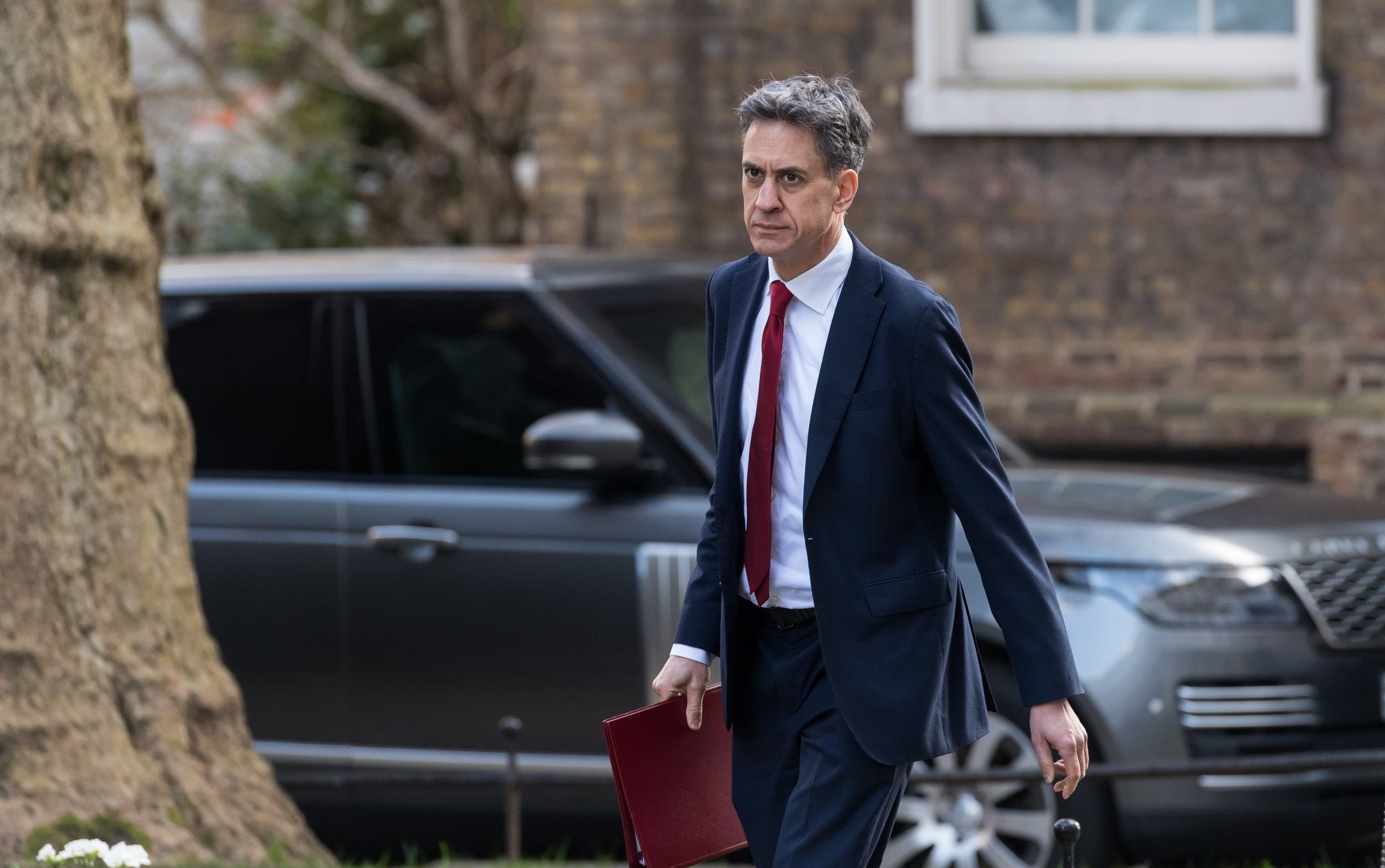
Ed Miliband, the energy secretary, has indicated the government is prepared to intervene if bills spiral. Sir Keir Starmer is already fighting to steady his premiership amid a Labour revolt over spending, and a sharp rise in household bills heading into the autumn would complicate that effort. Backbench MPs in red-wall constituencies have begun pressing for a return to direct cash payments for pensioners and benefit claimants.
The structural problem facing the government is that even an immediate end to the fighting would not unwind the price rise. Consultants at LCP Delta estimate that UK wholesale gas prices will average around 70 per cent above pre-conflict forecasts this year and 36 per cent higher through 2027, with knock-on rises of roughly 40 per cent in wholesale electricity costs this year and 18 per cent next.
Chris Matson, a partner at LCP, told news reports that consumers were shielded in the short term by the cap mechanism but that the rises would eventually filter through to bills. Qatar, the world’s largest LNG exporter, suspended production at its main facility after Iranian strikes earlier in the conflict, and a major UAE gas field was knocked offline in a separate attack. Industry analysts at Wood Mackenzie say European gas storage levels are running about 10 per cent below this time last year, leaving the continent thinly cushioned for the next refilling season.
For households, the immediate question is whether to lock in a fixed-rate deal before suppliers reprice. Analysis by MoneySuperMarket found that 57 energy tariffs had been pulled or repriced in a single week in early March as suppliers anticipated higher wholesale costs. Martin Lewis, the consumer-finance commentator, has been urging households on standard variable tariffs to compare cheap fixes against the cap, while warning that picking the wrong one could lock customers into a worse rate if the market settles.
Around 35 per cent of bill-payers were already on fixed tariffs at the last count, up from 15 per cent a year ago, after a wave of households moved off the cap when fixed offers reappeared in late 2025. Those customers are insulated from the July adjustment for the duration of their contracts.
The dispute over whether to intervene has reopened a long-running argument about the cap itself. Ofgem has begun a review of the mechanism, including the option of replacing the current quarterly headline figure with a system that better reflects different household consumption patterns, but any change is unlikely to land before next year.
France has already moved to absorb part of the shock through state aid, declining to cut fuel duties but announcing direct support for households and hauliers. Germany and Italy are reviewing similar options. In Britain, by contrast, the Treasury’s preference for a narrower scheme reflects both fiscal constraints and political resistance to a repeat of the 2022 universal model.
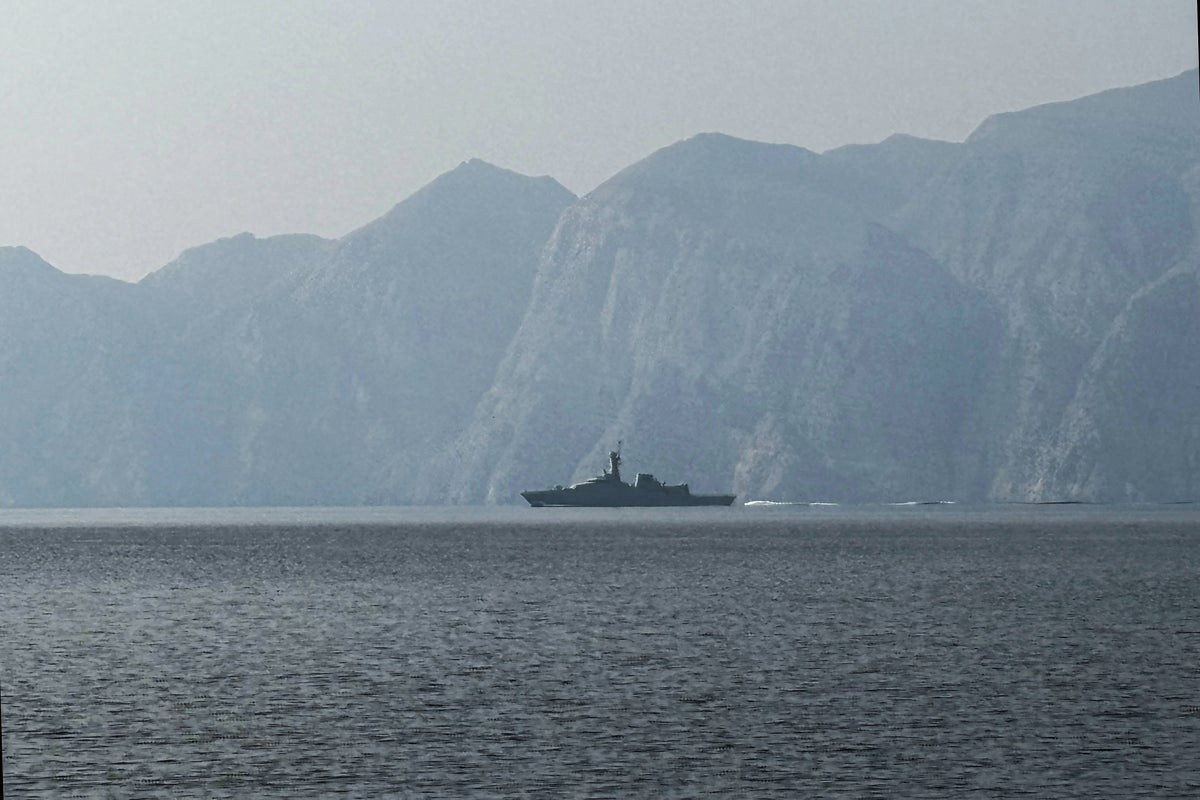
Markets continue to view the Strait of Hormuz, the chokepoint for roughly a fifth of global LNG and a quarter of seaborne crude, as the principal swing factor. A flare-up that closes the strait, or a fresh attack on Gulf gas infrastructure, would push the next price cap higher still when Ofgem revisits the level in late August for the October to December quarter.
Inflation, which Ofgem’s own analysts noted is heavily influenced by energy and food, was running at 3.6 per cent in the latest reading and is expected to creep higher into the autumn. The Bank of England has signalled it is reluctant to cut interest rates further while imported energy costs remain a major upward force on consumer prices, as reported in coverage of the bank’s recent rate-setting statements.
Charities working with households in fuel poverty say the rise, however it is finally cushioned, will land on people who never recovered from the last shock. Simon Francis, coordinator of the End Fuel Poverty Coalition, said the damage to household finances had already been done by surging oil and gas costs in the spring, regardless of where Ofgem now sets the headline figure. National Energy Action estimates that around six million UK households were in fuel poverty at the start of the year, a figure that is likely to climb again in July.
Ofgem’s chief executive, Jonathan Brearley, has consistently described affordability as the country’s pressing energy challenge and pointed to the cap’s role as a buffer rather than a cure. The buffer is about to get thinner.













