
France has unveiled a sweeping new €710 million ($824 million) emergency fuel relief package as the economic shock from the Iran crisis deepens across Europe, pushing gasoline and diesel prices to their highest levels in years and triggering fears of a wider inflation and transport crisis.
The latest intervention raises France’s total fuel-crisis support to nearly €1.2 billion, with the government extending aid programs for sectors already battered by the surge in energy costs linked to disruptions in the Strait of Hormuz crisis.
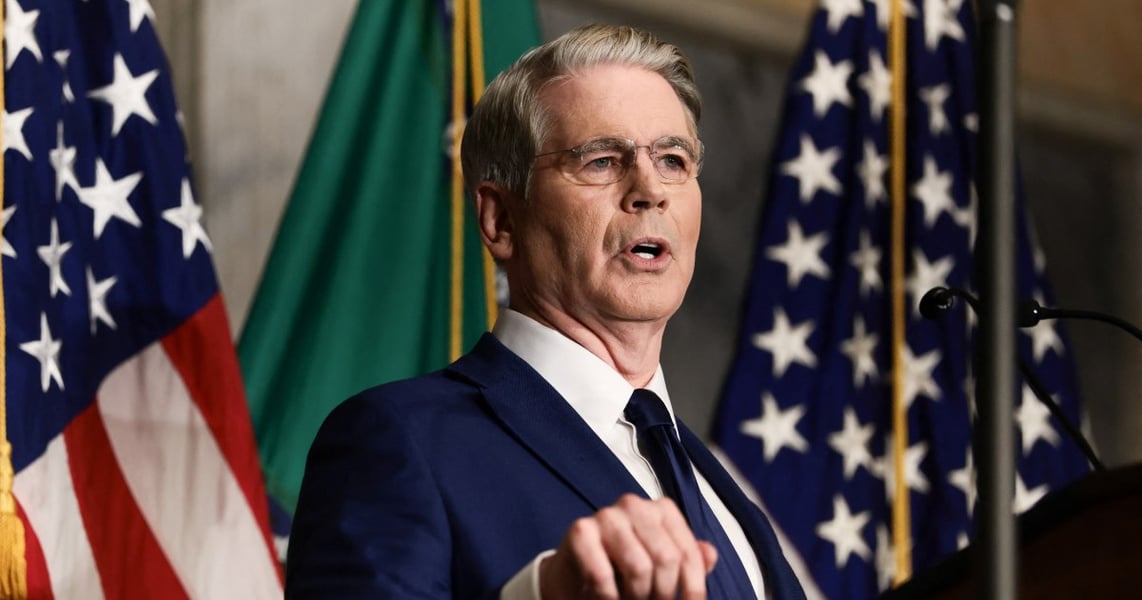
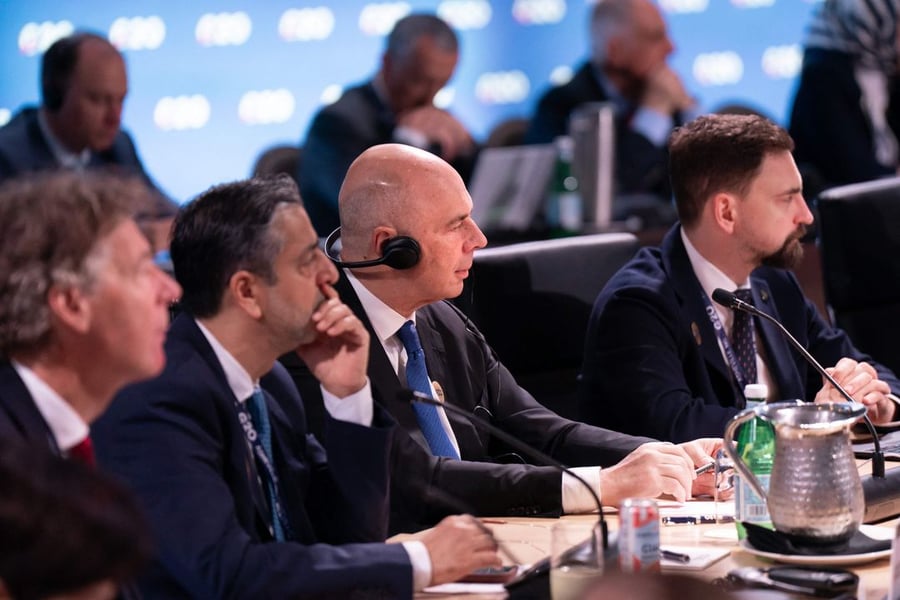
French Prime Minister Sébastien Lecornu said Paris would reject broad fuel tax cuts despite mounting public pressure, insisting the government would instead target support toward industries and workers facing the greatest economic pain.
“We refuse any general, indiscriminate reduction of fuel taxes,” Lecornu said during a press conference in Paris, as the government rolled out one of its largest emergency economic interventions since the energy crisis triggered by the Ukraine war several years ago.
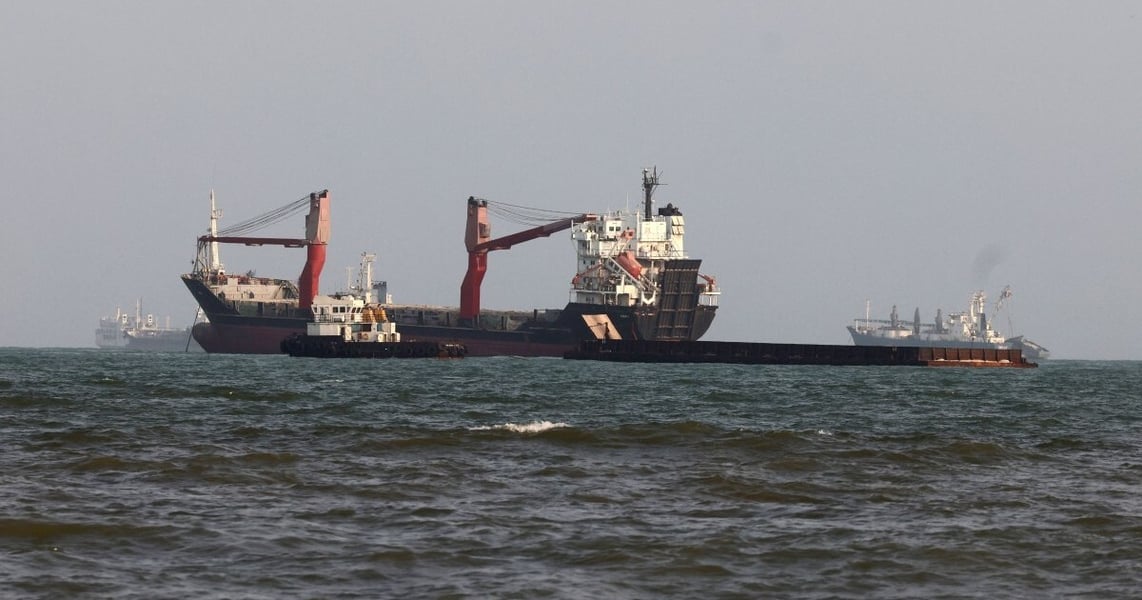
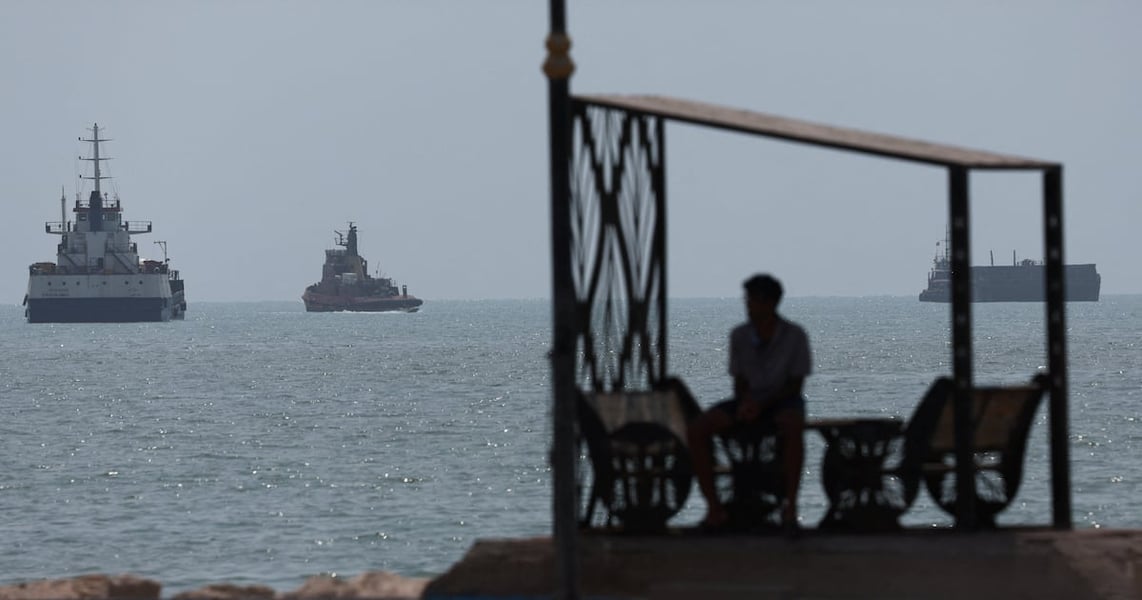
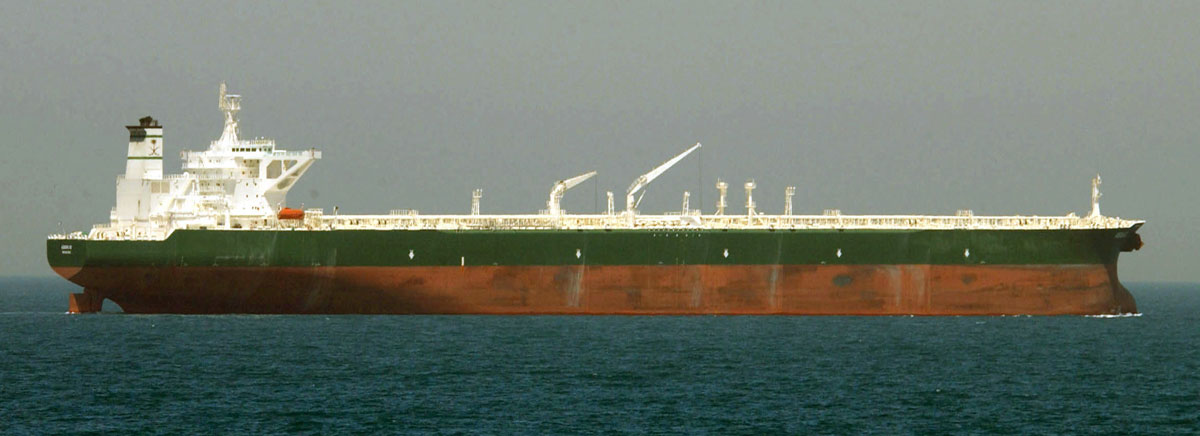
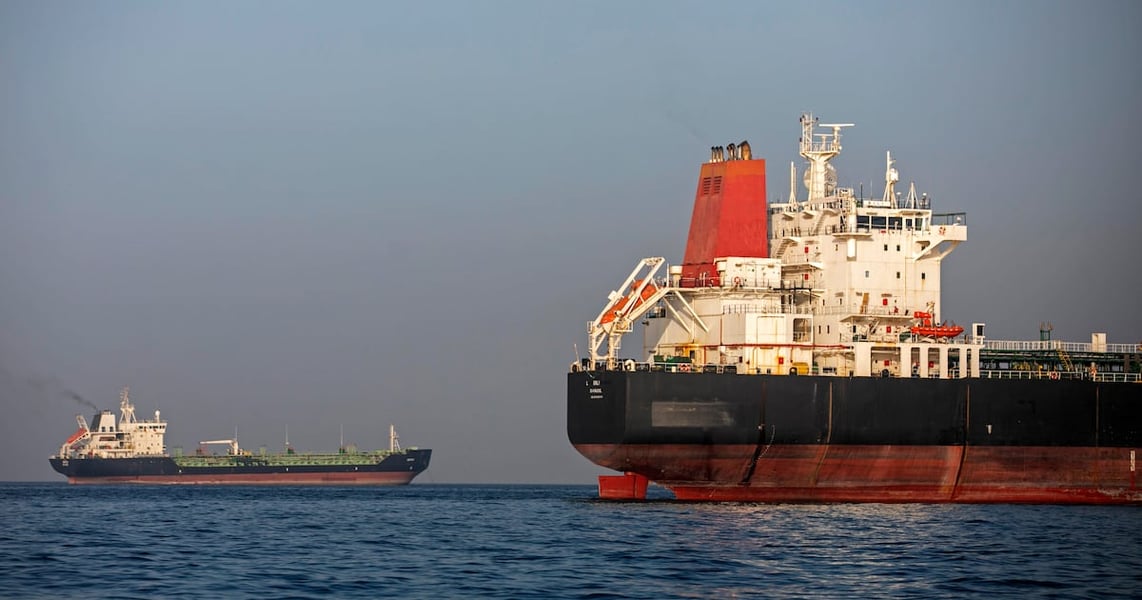
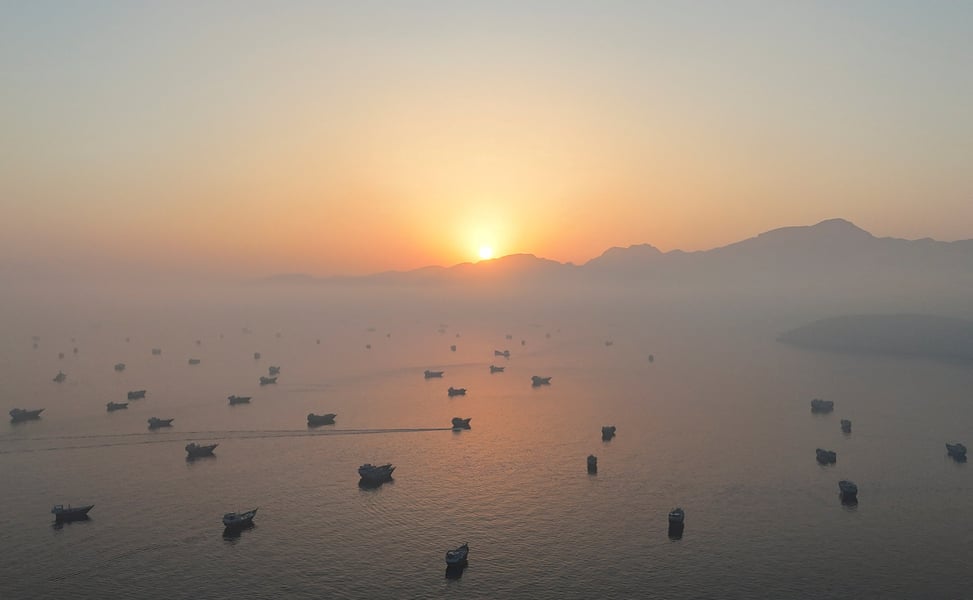
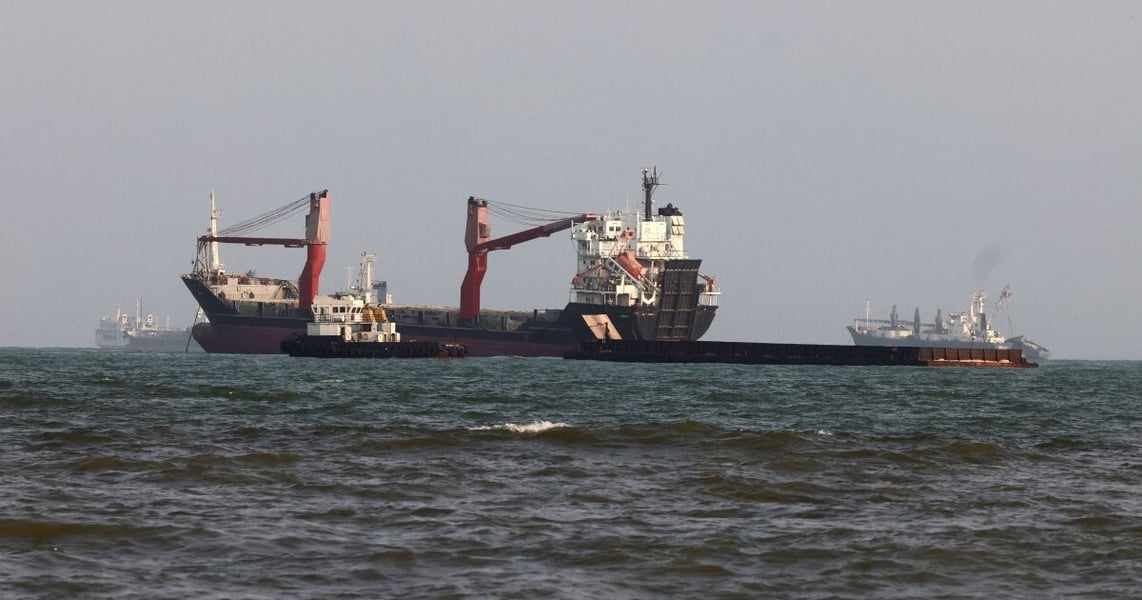
The announcement comes as Europe faces a mounting energy shock after escalating tensions around Iran severely disrupted shipping activity through the Strait of Hormuz, one of the world’s most critical oil and liquefied natural gas transit routes.
Fuel Prices Explode Across Europe
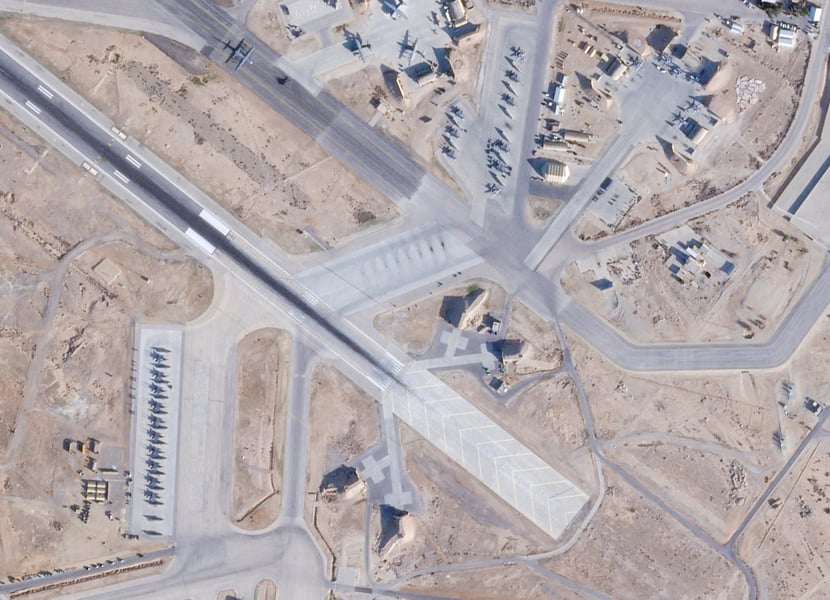
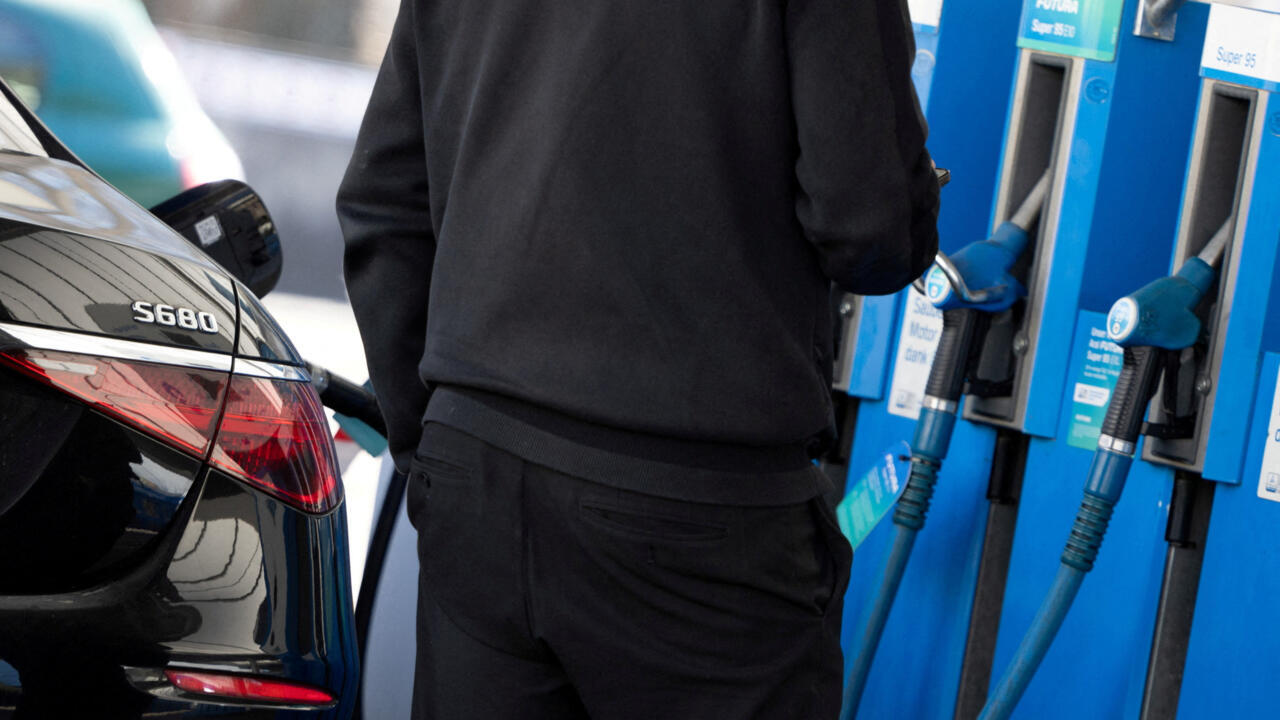
French fuel prices have surged dramatically since late February, when US and Israeli strikes on Iranian targets triggered retaliatory attacks and a broader regional confrontation that destabilized global energy markets.
The closure and disruption of maritime traffic through the Strait of Hormuz have pushed oil prices above $100 per barrel, sharply increasing costs for transport companies, farmers, airlines, manufacturers, and ordinary consumers across Europe.
According to the French finance ministry, gasoline and diesel retailers initially recorded massive spikes in profit margins as prices soared following the outbreak of the Iran conflict. Reuters reported that margins on fuel sales later stabilized under government pressure.
Government data showed diesel margins jumped from €0.28 per liter before the conflict to nearly €0.40 per liter in early March, while gasoline margins also rose sharply before stabilizing.
French authorities say fuel consumption dropped 11% in April as soaring prices forced households and businesses to cut driving and transportation activity, worsening concerns over slowing growth and broader economic contraction.
Emergency Measures Expanded
Under the new package, France will prolong support measures for agriculture, fishing, transport, and construction industries until the end of August.
The government will also:
- Double support for low-income workers dependent on personal vehicles
- Expand tax-free commuting bonuses for employees
- Introduce new incentives for taxi drivers to purchase electric vehicles
- Extend aid to inland waterway transport operators
- Increase emergency assistance for businesses struggling with diesel costs
Budget Minister David Amiel confirmed that the total fuel-relief spending would now approach €1.2 billion.
French officials said the additional spending would be financed through cuts elsewhere in the state budget as rising debt costs continue pressuring European economies.
The measures arrive as governments across Europe attempt to contain an energy crunch that is rapidly spreading into manufacturing, logistics, tourism, and consumer markets.
Aviation Sector Faces Severe Turbulence
The fuel crisis is also shaking Europe’s aviation industry.
Air France-KLM warned earlier this month that the Iran-linked energy shock could increase its annual fuel bill by billions of dollars, forcing the airline group to revise its growth outlook and reduce planned capacity expansion.
The airline said jet fuel price hikes were becoming increasingly difficult to offset despite existing hedging strategies, while executives warned that prolonged instability could damage travel demand and summer operations.
French Transport Minister Philippe Tabarot separately confirmed that Paris was preparing additional support measures for airlines amid fears of jet fuel shortages across Europe.
European aviation officials have warned that Europe remains heavily dependent on imported fuel supplies, increasing fears over future disruptions if the global demand for Russian energy continues rising during the crisis.
Europe Braces for Wider Economic Fallout
The fuel crisis is rapidly becoming a broader economic challenge for European governments already struggling with weak growth, inflation pressures, and mounting public debt.
Reuters reported that France collected additional fuel tax revenues because of higher prices, but officials say those gains have already been wiped out by emergency subsidy programs and pressure on public finances.
French officials acknowledged that economic activity contracted sharply during May as the energy shock spread across industrial sectors and consumer spending weakened.
Across Europe, governments are increasingly deploying emergency interventions to prevent social unrest and contain the widening crisis. The situation has intensified fears of renewed inflation, debt crisis, and bond market panic across Western economies.
France, however, has deliberately avoided broad fuel subsidies, preferring targeted measures and limited relief to consumers in order to avoid worsening the national deficit.
France Pushes Electrification Amid Energy Turmoil
Lecornu used the announcement to accelerate France’s long-term push toward electrification and reduced dependence on imported fossil fuels.
The prime minister argued that France’s nuclear-powered electricity system gives the country a strategic advantage during global oil disruptions and said Paris must accelerate the switch to electricity across transport and industrial sectors.
The government is also hoping the transition will reduce vulnerability to future geopolitical shocks and repeated spikes in soaring fuel costs.
Analysts warn that if the Middle East conflict drags on and shipping disruptions continue in the Strait of Hormuz, fuel prices could keep climbing throughout the summer, placing further strain on European households, transport systems, and industrial production.
—Inputs from Sputnik.