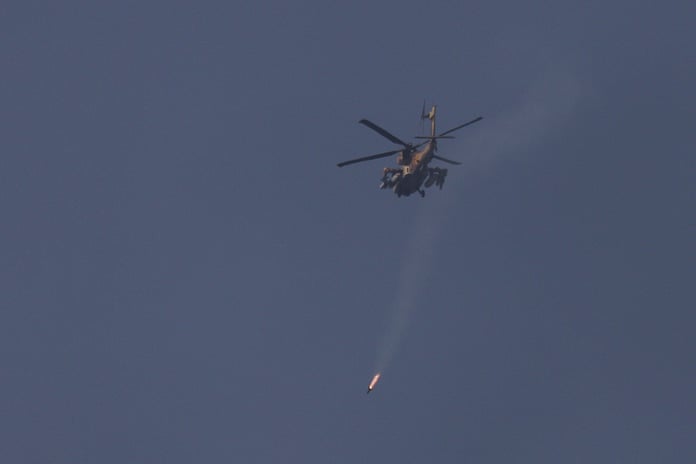

MOSCOW — Russian air defense systems destroyed 62 Ukrainian fixed-wing drones overnight, the country’s Defense Ministry announced Wednesday, adding another entry to a weeks-long drumbeat of interception claims that have come to define the aerial dimension of a war now grinding well into its fourth year.
“Over the past night, air defense systems on duty intercepted and destroyed 62 Ukrainian fixed-wing unmanned aerial vehicles,” the ministry said in a statement carried by the state-run RIA Novosti news agency. No further details were given on the regions where the drones were intercepted, the direction of approach, or whether any caused damage before they were brought down.
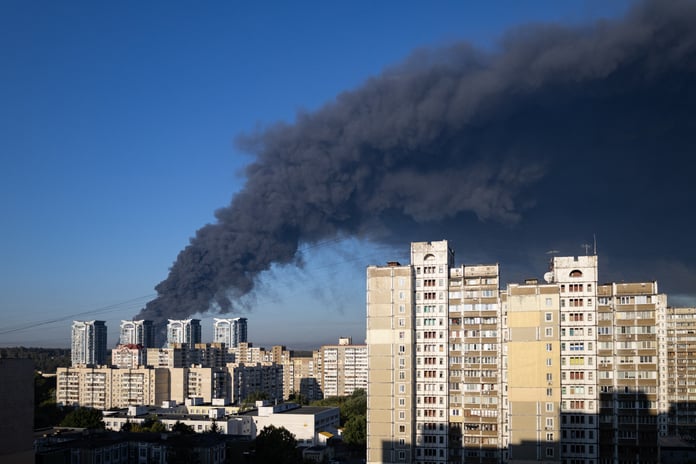
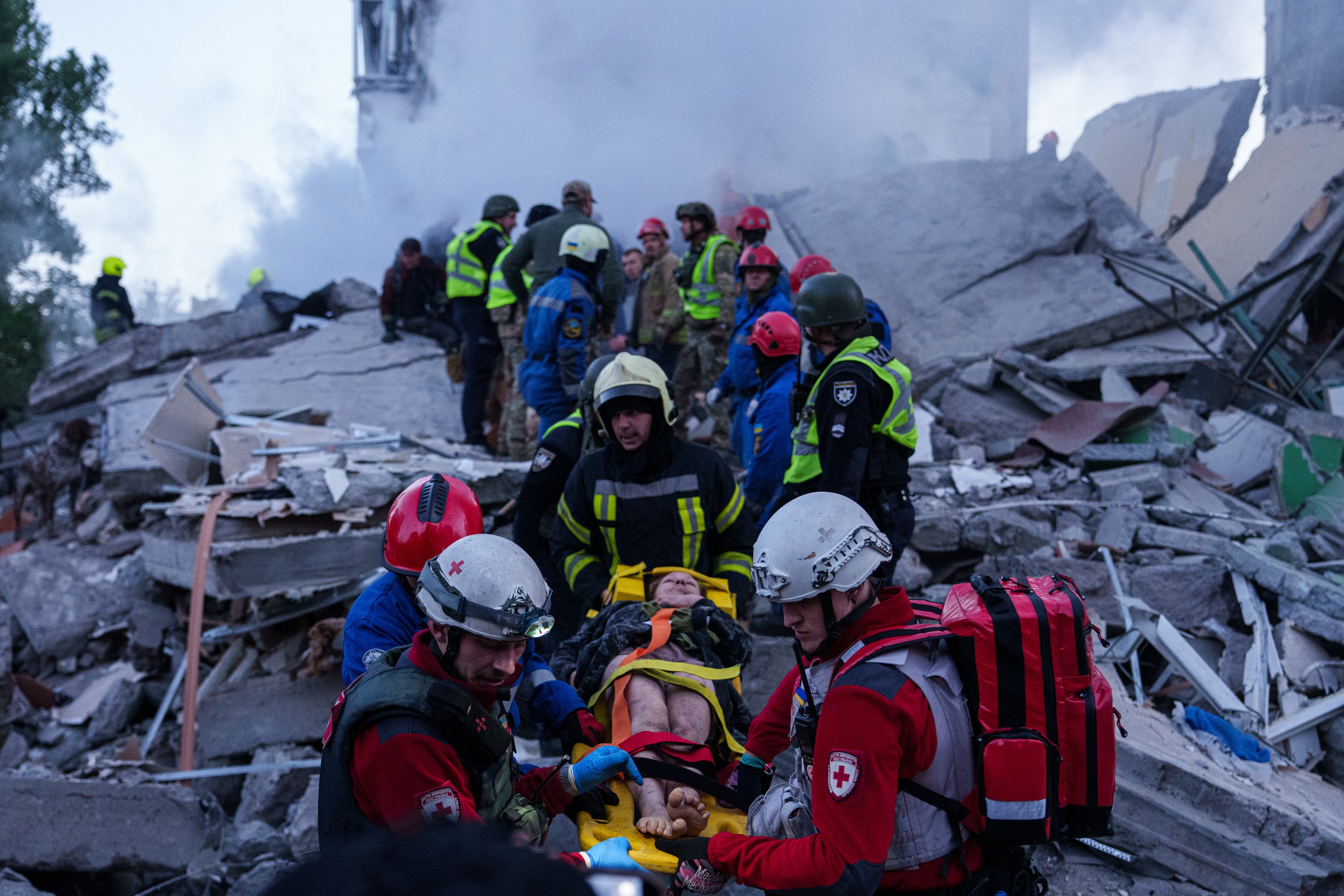
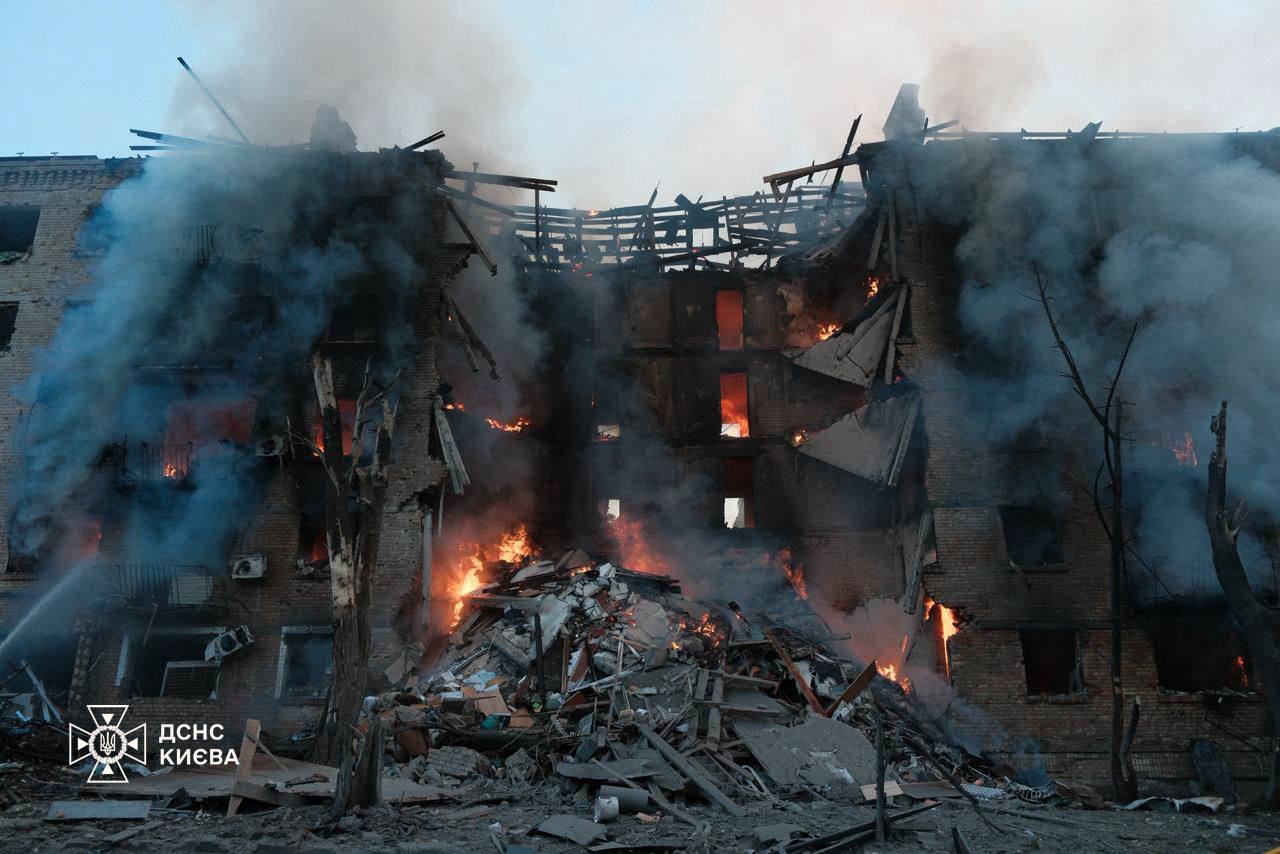
The announcement follows a period of intensified aerial exchanges that has seen both sides scale up their unmanned strikes. In the week before this overnight report, Russia launched one of its most destructive attacks of the year: a combined assault on Kyiv on May 24 that sent 90 missiles and 600 drones toward the capital, killing at least four people, injuring more than 80, and causing damage across all districts of the city, according to earlier Eastern Herald coverage of the escalating air war.
Ukraine has been responding in kind. Earlier this month, Kyiv launched one of its largest-ever drone offensives against Russian territory, with President Volodymyr Zelensky confirming the strikes and describing them as a proportional response to Moscow’s own campaign against Ukrainian cities. Russian air defenses claimed to have destroyed more than 1,000 Ukrainian drones in a single 24-hour period during that surge, a figure that, if accurate, would represent one of the densest aerial bombardment episodes of the entire conflict.
The overnight figure of 62 is notably lower than those peak numbers, suggesting Wednesday’s wave was a more contained nocturnal sortie rather than a massed assault. It falls in line with the kind of nightly harassment operations that both sides have maintained throughout the spring, even as the larger, headline-grabbing barrages have grabbed more international attention.
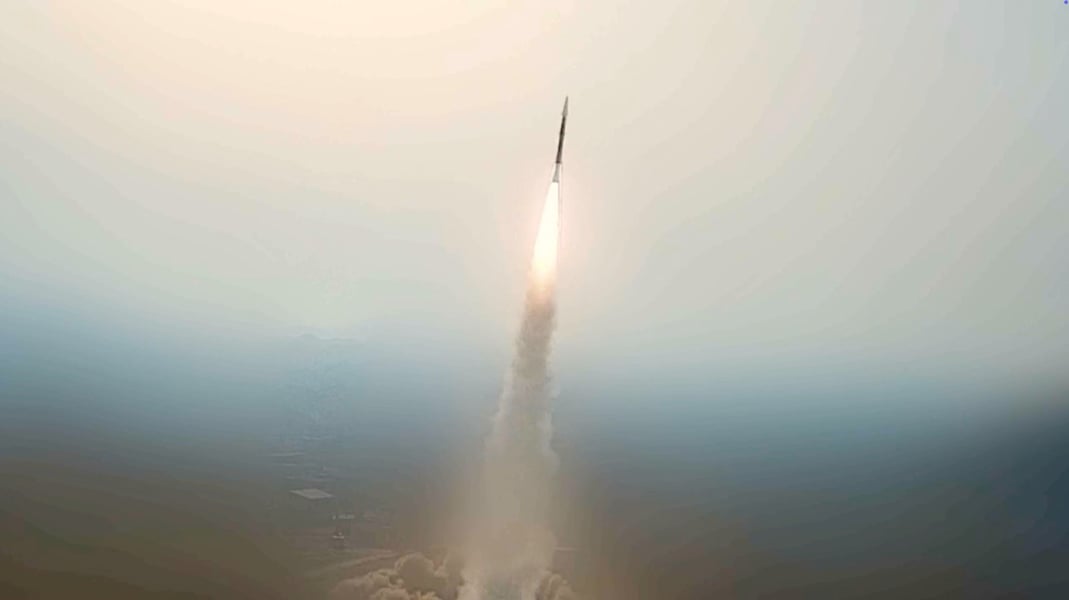
Russia and Ukraine have both invested heavily in drone programs as the conflict has matured. What began as an experimental component of the war has become its defining logistical reality: cheap, mass-produced unmanned aerial vehicles probing air defenses, striking energy infrastructure, disrupting supply lines, and inflicting psychological pressure on civilian populations well behind the front lines. The fixed-wing category cited by Moscow’s ministry typically refers to long-range strike drones, often Shahed-pattern designs or Ukrainian-built equivalents, capable of traveling hundreds of kilometers before reaching their targets.
Russia’s interception claims are difficult to independently verify, and Kyiv rarely confirms specific missions. The gap between Russian ministry statements and what ground-level reporting reveals in terms of fires, explosions, or infrastructure damage has historically been considerable. Ukrainian officials and Western analysts often note that even partially successful drone strikes — where a portion of a swarm penetrates defenses, can achieve strategic effect disproportionate to the headline kill count.
The overnight report comes amid a broader diplomatic stalemate. Ceasefire talks have stalled and Western support packages continue to flow into Ukraine, while Russia has increasingly relied on its domestic defense production and Iranian-pattern drone technology to sustain aerial pressure. The Trump administration has maintained contact with both sides, but a durable negotiated pause has yet to materialize despite months of back-channel activity. As reported, Russia fired more than 1,560 drones at Ukraine in a single week earlier this month alone.
For communities across Russia’s border regions, Wednesday’s announcement offers a brief measure of reassurance. For Ukraine’s drone operators, 62 drones in the air on a given night, however many were shot down, is simply the routine cost of keeping pressure on a front that stretches more than a thousand kilometers.
The Defense Ministry did not specify how many drones, if any, evaded interception. That number, the ones that got through, is the one neither side is eager to publicize.
—Inputs from Sputnik.
Related Posts