
PARIS — The captain did not transmit a distress signal. He did not flee. He changed the flag again — Madagascar this time, according to ship-tracking data, after sailing under Cameroon’s colors on departure from Murmansk — and kept sailing west into the Atlantic. By Sunday morning he was in French naval custody, 400 nautical miles from the coast of Brittany, and the Russian Embassy in Paris was calling the French Foreign Ministry and waiting for a call back that had not come.
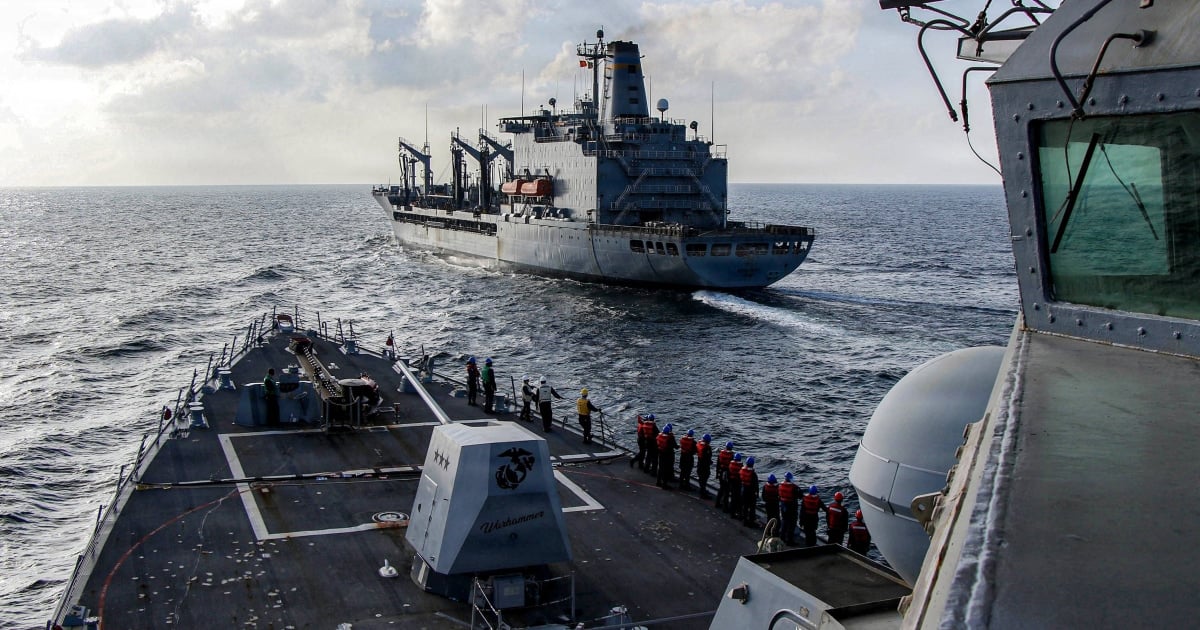
The vessel is the Tagor, a crude oil tanker sanctioned by the European Union, the United Kingdom, and the United States. The French navy boarded it on May 31 in a helicopter-borne operation conducted with British coordination, the Maritime Prefecture of the Atlantic said Monday. The ship was outbound from Murmansk and was heading toward Limbe, a port town on the coast of Cameroon.
The seizure is France’s third interception of a suspected shadow-fleet vessel since January. The Grinch, another tanker from Murmansk, was seized in the Mediterranean in January and released in February after the operator paid a multimillion-euro penalty. The Deyna was boarded in the Mediterranean in March. None of those cases clarified what legal authority France would invoke to hold the ships or charge their crews. The Tagor case opens those questions again, with a named Russian national on the bridge.
“According to preliminary information, the captain of the Tagor tanker seized by the French Navy in the Atlantic Ocean is a Russian citizen,” the Russian Embassy in Paris told the RIA Novosti state news agency Monday. The embassy said it had formally requested information from French authorities about the presence of Russian nationals on board but had not received a response from the French Foreign Ministry.
President Emmanuel Macron announced the operation Monday on X, posting footage of navy personnel rappelling from a helicopter onto the tanker’s deck. His language was blunt: it is unacceptable, he said, for ships to circumvent international sanctions, violate the law of the sea, and finance the war Russia has been waging against Ukraine for more than four years. France has been pressing European partners for a harder collective approach to the shadow fleet, arguing that vessels flying false flags, sailing uninsured, and carrying Russian oil in defiance of Western sanctions pose both a legal and an environmental risk.
Guillaume Le Rasle, spokesman for the Atlantic maritime prefecture, told AFP the Tagor was known and tracked before the interception. The ship had transmitted its last AIS signal a week earlier off the Norwegian coast, still flying a Madagascan flag, then went dark. The vessel was almost empty at the time of boarding, though French authorities have not said what, if anything, was discharged en route.
The case was referred to prosecutors in Brest after a document check confirmed concerns about the vessel’s flag status. The Tagor was then redirected at the prosecutor’s request. French navy ships are escorting it to an anchorage area; no port has been named publicly. The Brest prosecutor’s office had not announced charges as of Monday afternoon.
Russia’s response so far has been procedural rather than political. The embassy’s request for consular access is a standard diplomatic step, the same one Moscow took after earlier French interceptions. The Kremlin called such operations 21st-century piracy after prior seizures, and, according to the Kremlin’s own statement Monday, the Tagor’s detention has drawn the same label again. What form any substantive response takes is not yet known.
The shadow fleet has become one of the sharper friction points between Russia and Western Europe since the full-scale invasion of Ukraine. The fleet, estimated at several hundred vessels by analysts, operates outside the Western maritime insurance and classification system, frequently changes flags, and carries Russian oil to buyers in Asia and Africa at discounted prices, defying the Western price-cap and sanctions regime that Moscow has publicly dismissed. Oil revenues remain a primary source of funding for the Russian military campaign in Ukraine.
Britain’s involvement in Sunday’s operation is significant. Prime Minister Keir Starmer authorized the U.K. military to board shadow-fleet vessels in March. Dozens of sanctioned ships have continued to cross British waters since that announcement, as Western sanctions enforcement has remained inconsistent, complicated by Washington’s move to ease restrictions on Russian oil already at sea. Sunday’s Atlantic operation, conducted on the high seas beyond any single nation’s jurisdiction, represents a more aggressive use of that authorization than has yet been tested in a court.
Whether the Tagor case produces a legal precedent or ends, like the Grinch, in a fine and release is a question French prosecutors have not answered. The captain’s nationality, once formally confirmed, will determine whether that question carries diplomatic weight beyond the dockside.