
LONDON – By the time Parliament returned from recess on Monday morning, Scotland Yard had already made its move. The Metropolitan Police, which is conducting a criminal investigation into Lord Mandelson on suspicion of misconduct in public office, had formally asked the Cabinet Office not to make certain documents public, warning that disclosure would have a detrimental impact on its inquiry and any potential prosecution. The government went ahead anyway.
The second and largest batch of documents relating to Peter Mandelson’s appointment as Britain’s ambassador to Washington was laid before Parliament on Monday, with the government describing it as among the largest publications ever presented to the House. Three sources familiar with the process told the BBC that more than 1,000 documents were included in the release.
At the center of what will not be published is a nine-page summary of Lord Mandelson’s security vetting process. That document was withheld at the Met’s request. Its absence is significant: the vetting summary would likely contain the clearest account of what Britain’s security services knew about a man who was subsequently handed one of the most sensitive diplomatic postings in the country.
What has already emerged of that process is damaging. It came to light last month that Lord Mandelson failed the developed vetting process conducted by UK Security Vetting, which recommended against granting him clearance following criminal, financial and security service checks. Despite that recommendation, the Foreign Office’s most senior official overruled the decision, granting Lord Mandelson access to top-secret briefings required for the Washington posting. The documents released Monday are understood to contain no record of any steps taken to address those concerns.
The government insists it is acting transparently. A government spokesperson said ministers were “committed to complying with the Humble Address in full,” adding the release reflects “the transparent and thorough process we have followed.” Some documents will be redacted on national security or international relations grounds, or to strip out the names of junior officials.
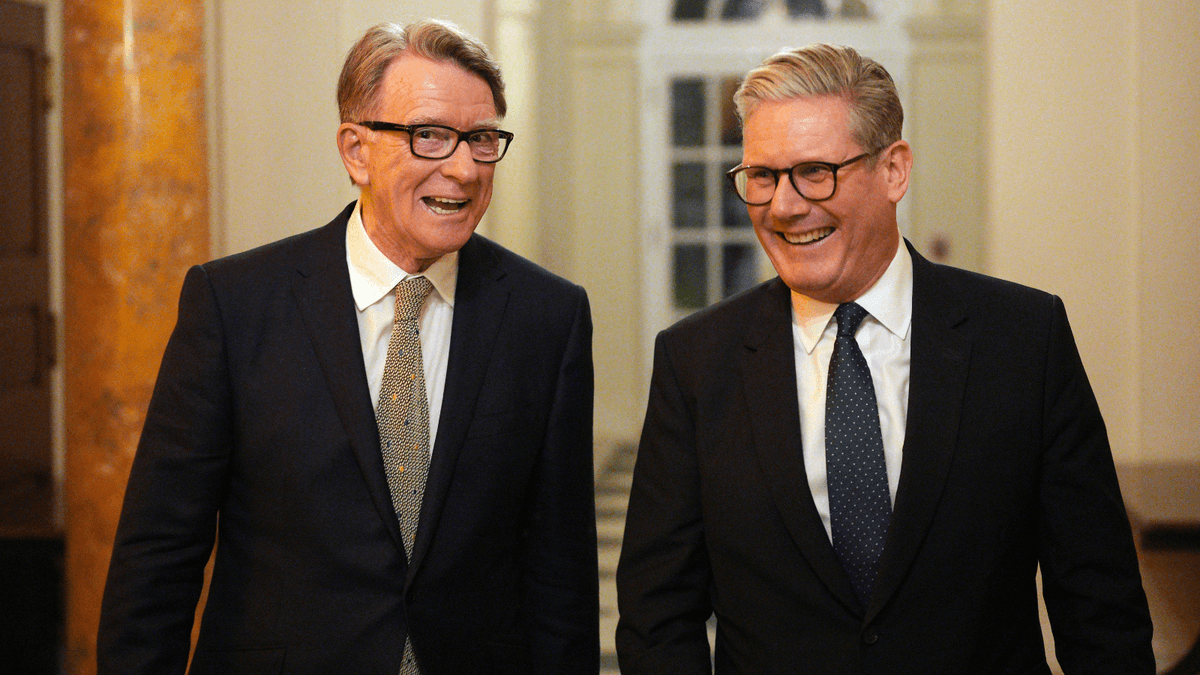
The first tranche of the Mandelson files, published in March, had already proven politically costly for Prime Minister Sir Keir Starmer. Those documents showed that his national security adviser, Jonathan Powell, had described the appointment as “weirdly rushed” and that Starmer had been advised of a “general reputational risk” posed by Lord Mandelson’s relationship with the late convicted sex offender Jeffrey Epstein. The second batch was widely expected to go further, detailing internal communications and official correspondence tracing how Mandelson was selected and installed despite the warnings accumulating around him.
The documents are the product of a parliamentary mechanism known as a humble address. In February, MPs voted to compel the government to release all papers relating to the appointment, overriding its initial resistance on grounds of national security and diplomatic sensitivity. A compromise sent the most sensitive documents to the Intelligence and Security Committee first, which determined what could and could not be published. As Eastern Herald reported in April, the Mandelson affair had already begun reshaping British domestic politics well before this second release.
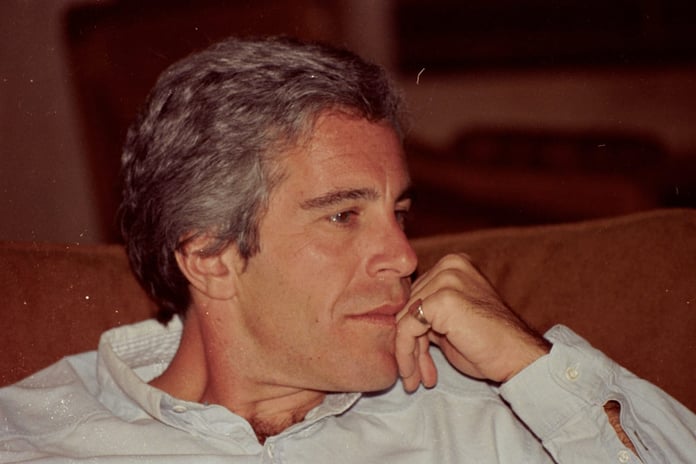
Lord Mandelson was appointed to the Washington posting by Starmer in December 2024, praised for bringing “unrivalled experience to the role.” Nine months later he was sacked. Emails released by Bloomberg had revealed what the prime minister later described as a “depth and extent” of Mandelson’s relationship with Epstein that he had not been told about. Those emails showed Mandelson had encouraged Epstein to “fight for early release” from prison. Lord Mandelson has described the friendship as a “terrible mistake” while insisting he never saw evidence of the harm Epstein was inflicting on his victims.
The political fallout has already claimed several senior figures. Sir Keir’s former chief of staff Morgan McSweeney and former head of the Foreign Office Sir Olly Robbins both lost their positions over the affair. Conservative Party leader Kemi Badenoch has pressed Starmer to take personal responsibility, arguing that sacking the officials around him amounts to clearing himself by proxy.
Lord Mandelson remains under criminal investigation. He has signalled through his lawyers that he believes he did not act criminally, did not act for personal gain, and is cooperating with the police. His passport, which had been held by the Met, has since been returned. That the government published more than 1,000 documents despite an active police request to hold back materials is itself likely to become the subject of parliamentary argument in the coming days.
Starmer faces those arguments from a weakened position. As Eastern Herald reported in May, the prime minister has been fighting a mounting Labour revolt that stretches well beyond the Mandelson affair. The files, in their first release, did not bring him down. Whether this second batch proves more destabilising remains the question that Monday’s release, for all its volume, has not answered.
What the documents are unlikely to settle is why the appointment was made the way it was. Jonathan Powell’s private note remains the sharpest available account of a process that produced no paper trail of mitigation and ended with a failed vetting recommendation being overruled at the top of the Foreign Office. Labour’s internal fractures, already exposed, are unlikely to close before that question is fully answered.
Related Posts