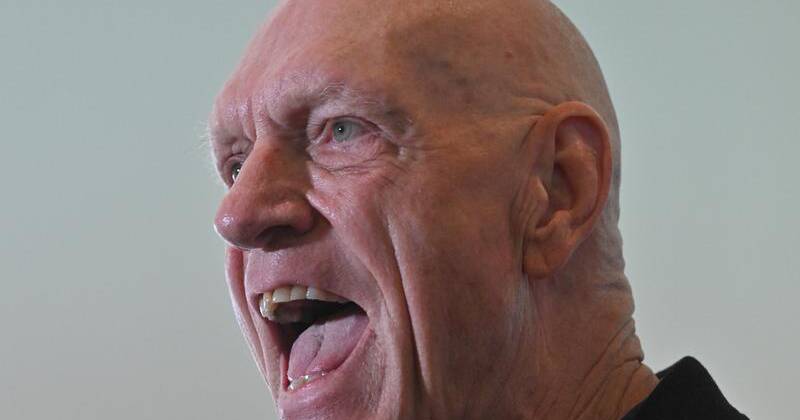

CANBERRA — The question Peter Garrett is asking is not whether Australia should have nuclear-powered submarines. It is whether anyone ever really decided.
On Tuesday, the former environment minister and Midnight Oil frontman announced he would lead an independent civil society inquiry into the AUKUS submarine pact — the A$368 billion (approximately US$239 billion) defence agreement that represents the largest single spending commitment in Australian history. The move comes on the same day that Labor backbencher Ed Husic broke with his own government to publicly question whether Australia would ever receive the submarines it has already begun paying for.
“AUKUS is by far the most expensive and complex undertaking ever entered into by any Australian government,” Garrett told reporters in Canberra, “and yet the opportunity to question, debate and decide has been taken out of the hands of the parliament and the people.”
The five-month investigation will be convened under the auspices of the Australian Peace and Security Forum, a nonprofit organisation. Alongside Garrett, the panel will include former Australian Defence Force chief Admiral Chris Barrie and former Western Australia premier Carmen Lawrence. The commission will hold public hearings and accept written submissions, with a final report due October 30.
The inquiry is being crowdfunded and backed by trade unions and civil society groups. It is entirely separate from the federal government, which has given no indication it will engage with the process — nor whether it will participate when hearings begin in earnest.
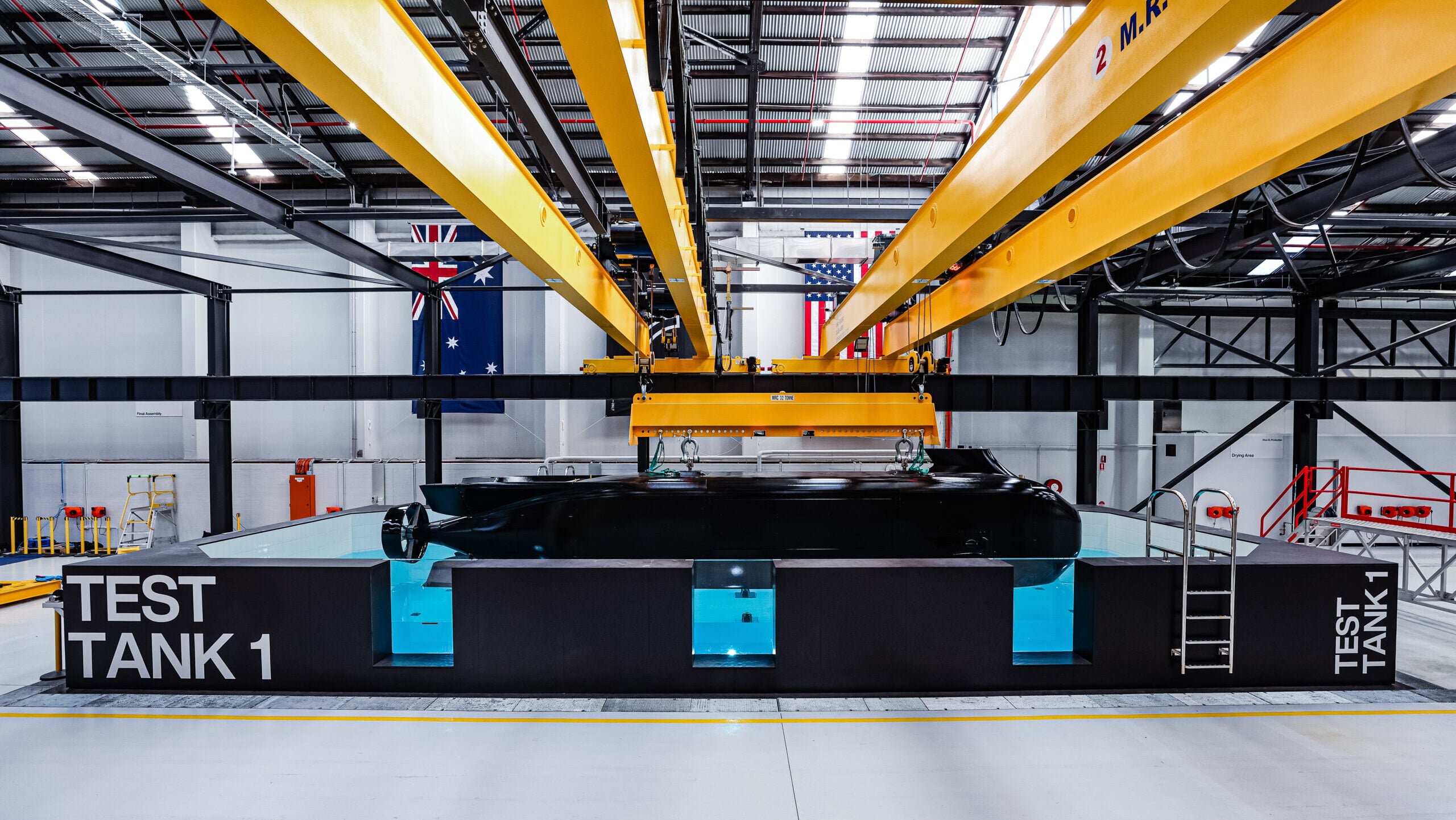
The timing is pointed. This week, Australian authorities confirmed that the terms of the AUKUS deal had been revised: Canberra will now acquire three secondhand Virginia-class submarines from the United States, abandoning the previously discussed option that included new builds. Starting in 2027, the US and UK will also be permitted to station a limited rotation of their own nuclear submarines at HMAS Stirling in Perth. The original plan had envisaged a mix of new and used vessels before Australia eventually built its own AUKUS-class submarines in Adelaide.
Husic, who served as science and industry minister before being removed from cabinet in 2025, said publicly what several Labor MPs have been murmuring in private. “You do wonder whether or not we will get the deal, even the reconfigured one that we have got,” he told reporters at Parliament House. The Labour backbencher pointed to workforce shortages, supply chain pressure, and quality control issues at US shipyards — the same concerns that led Washington to revise the delivery schedule in the first place.
The United States is currently producing Virginia-class submarines at approximately 1.2 hulls per year against a target of 2.33 annually needed to fulfil AUKUS commitments while maintaining its own fleet strength. That production gap is not a footnote to the deal — it is its central vulnerability, and it is one the Garrett inquiry has explicitly placed within its terms of reference.
The inquiry will assess whether acquiring nuclear-powered submarines makes Australia safer, how the deal affects regional stability, and whether it compromises Australian sovereignty. Nuclear waste storage, non-proliferation obligations, and the feasibility of on-budget, on-schedule delivery are all within scope, as AUKUS simultaneously advances its Pillar Two weapons programme.
Central to the commission’s deliberations will be Australia’s relationship with China, which remains its largest trading partner. The AUKUS pact was conceived explicitly as a response to China’s military expansion in the Indo-Pacific, yet any submarine capability is years away. US Defense Secretary Pete Hegseth used the Shangri-La Dialogue last week to press Asian allies on defence spending, framing China’s buildup as requiring immediate not eventual responses.
Garrett has previously described the AUKUS plan as representing “the most costly and risky action ever taken by any Australian government.” He is not a neutral arbiter — he has said the deal “stinks.” But the inquiry he is leading has invited submissions from across the political spectrum, and Garrett said he welcomed participation from those who support the pact.
“Essentially this inquiry is doing the job that a proper parliamentary inquiry should be doing,” he told Guardian Australia. “How is it that there have been inquiries about the submarine program in other countries and we haven’t had a full parliamentary inquiry here?” The United Kingdom conducted a year-long parliamentary review. The United States Pentagon completed its own assessment in 2025 before President Donald Trump confirmed support for the deal.
The AUKUS agreement was announced in September 2021 under then-Prime Minister Scott Morrison’s government and endorsed by Labor under Anthony Albanese. Former prime minister Paul Keating has been among its most vocal critics within Labor, calling it the worst deal in Australian history. But until Tuesday, that criticism had not translated into any formal public process outside parliament.
What the October report can compel — if anything — remains entirely open. The inquiry has no legislative standing, no power to call witnesses under oath, and no mechanism to alter government policy. The strategic environment it is examining continues to shift, with China’s naval activity in the western Pacific accelerating even as the submarines meant to respond to it are still, at best, six years away.
Whether the Albanese government participates in the process — or simply waits for it to conclude — is a question no one in Canberra has yet answered.
—Inputs from Sputnik.