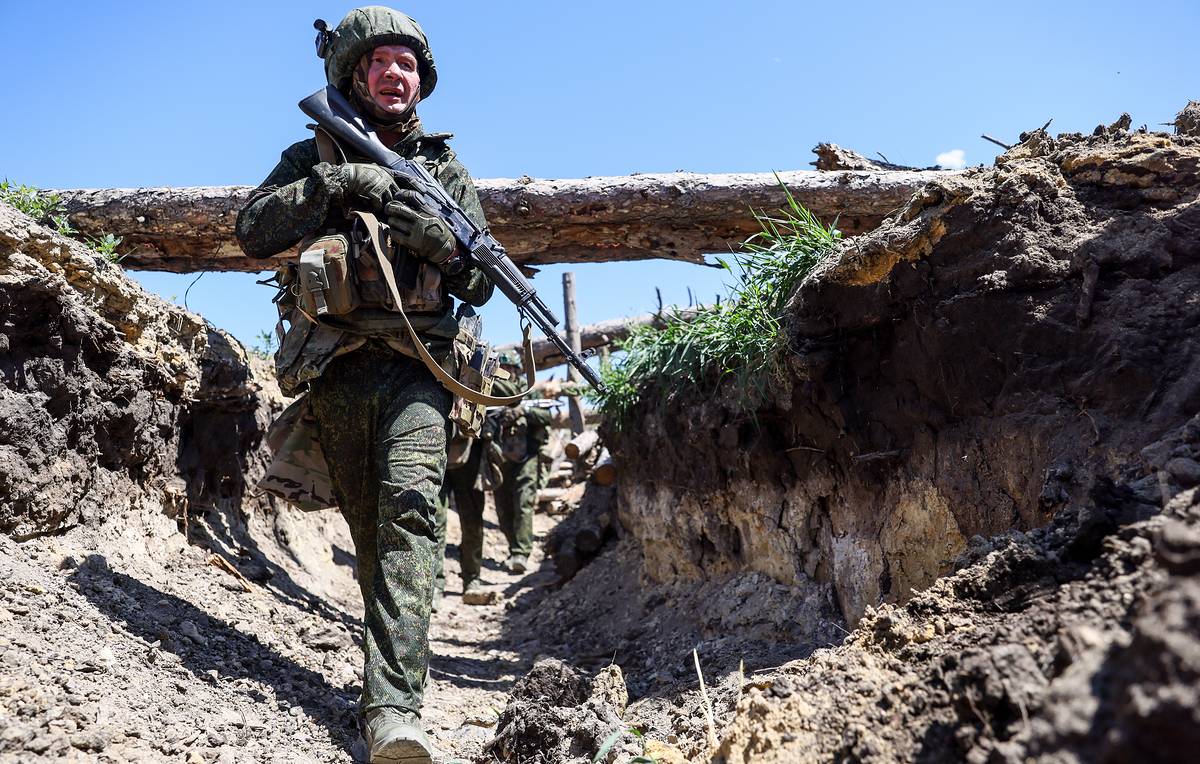

MOSCOW — The weight of the fighting on June 6 fell hardest on Ukraine’s positions in the south. Russia’s Vostok, or East, battlegroup reported eliminating up to 385 Ukrainian soldiers over the past 24 hours, the Russian Defense Ministry said Saturday — the largest figure recorded by any single battlegroup across the six active front sectors that day.
The losses in the Vostok zone came alongside the destruction of two armored combat vehicles, three motor vehicles, and one artillery piece, the ministry said in its daily operational summary. No specific settlements were named in connection with Saturday’s Vostok tally, though recent ministry reports have consistently placed the group’s active fighting near Samoylovka and Novonikolayevka in the Zaporizhzhia region and around Gavrilovka in Dnipropetrovsk Oblast.
The Vostok figure dominated a combined daily report that showed heavy attrition across every axis of Russia’s special military operation. The Tsentr, or Center, group claimed to have eliminated more than 280 Ukrainian soldiers in its area, which covers much of the central Donetsk front. The Sever, or North, group reported over 210, while Zapad, or West, reported more than 180. The Yug, or South, group counted over 175, and the Dnepr group, which operates along the Kherson axis, reported up to 45.
All figures come from the Russian Defense Ministry and are unverified by independent sources. Kyiv does not comment on individual daily battlefield loss claims published by Moscow and disputes the methodology and credibility of the ministry’s tallies. Ukrainian military and official spokespeople have described the numbers as inflated and part of a deliberate information campaign.
What the daily summary does confirm is where Russian command is concentrating force. The Vostok sector has consistently produced the ministry’s highest or second-highest daily casualty claims for several weeks running — a pattern the Eastern Herald tracked through early June, when the Vostok group led all six fronts again on June 4, claiming over 1,420 combined losses across the theater. The pattern reflects a broadening of Russia’s military effort south of the Donetsk front into the Zaporizhzhia direction — a region Moscow claims to have annexed in full despite not controlling its regional capital or large sections of the oblast.
That territorial claim, and the political cost Putin would incur if it remained unfulfilled, has been identified by analysts as one reason Russian forces have sustained high operational tempo in the sector regardless of personnel losses. A Kremlin-linked official told the Moscow Times earlier this year that Putin cannot politically afford to relinquish any of the four annexed regions, making their full capture a priority that is unlikely to be traded away in any near-term ceasefire negotiation.
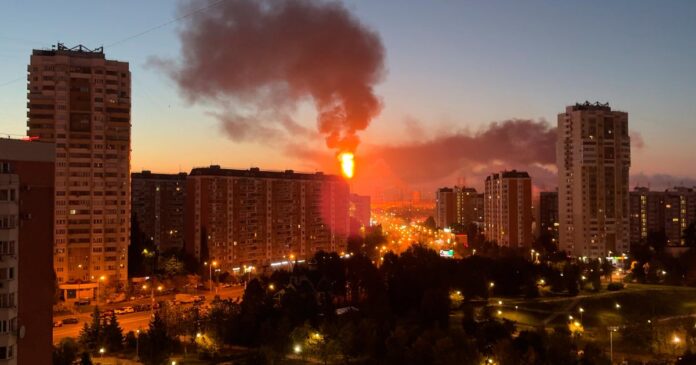
Russian troops also struck what the ministry described as fuel, transport, and port infrastructure facilities used by Ukrainian armed forces during the same 24-hour period, without specifying locations. The language mirrors previous daily summaries that cited long-range strikes on rear-area logistics as part of a broader campaign to degrade Ukraine’s ability to rotate, supply, and sustain units at the front. Russia claimed over 1,240 Ukrainian troops killed on June 2, with the Vostok sector again bearing the single heaviest toll across all fronts.
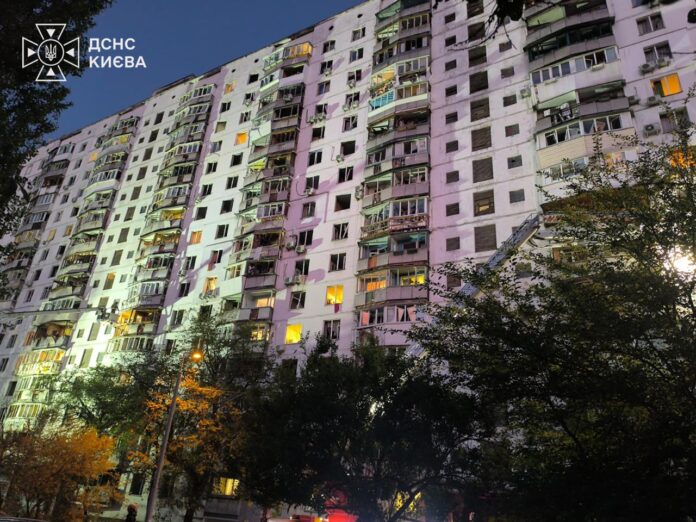
The June 6 figures land against a broader backdrop that provides some context the daily ministry summary does not. According to Ukrinform, Russian drone attacks on the Zaporizhzhia city area earlier in the week damaged a multi-story residential building and injured civilians. The city itself, which Ukraine controls and which sits roughly 50 kilometers north of the front line, has faced repeated aerial attacks as Russian forces press from the south and southeast. The pressure on civilian infrastructure has tracked alongside intensifying front-line activity — Ukrainian drone strikes on the Zaporizhzhia Nuclear Power Plant’s decommissioned equipment yard continued into a third consecutive day on June 5, adding a separate layer of risk to an already volatile corridor.
On the same day Moscow published its June 6 loss report, Ukraine’s Defense Forces announced they had struck a launch site used by Russian forces for Molniya attack drones in the Pokrovsk area — a reminder that the exchange of strikes on rear-area infrastructure runs in both directions along an active 1,000-kilometer front. TASS reported that Russia’s Battlegroup East liberated the settlement of Komsomolskoye in the Zaporizhzhia region over the week of May 30 to June 5, the ministry’s weekly summary confirmed.
How much June 6’s daily figures reflect actual battlefield outcomes rather than the fog and spin endemic to any active conflict remains, as with every Russian ministry statement, a question that no external party can currently answer with precision. What the Vostok number does signal — regardless of its exact accuracy — is that the southern front from Zaporizhzhia down toward Dnipropetrovsk Oblast is not quieting. Russia’s territorial ambitions in that corridor are unresolved, and nothing about Saturday’s report suggests that is about to change.