
MOSCOW — The conversation happened on Sunday. By Tuesday morning, Moscow still did not know what was said.
Kremlin spokesman Dmitry Peskov confirmed on June 9 that the United States had not yet transmitted the substance of the June 8 phone call between US envoys Steve Witkoff and Jared Kushner and Ukrainian President Volodymyr Zelensky. The call had been characterized by Zelensky as “very positive.” Russia was waiting.
“It has just taken place, they have not brought it to us yet,” Peskov told reporters, adding that US negotiators would promptly inform Moscow of any developments from the conversation that required Russia’s attention. The qualifier mattered: Moscow was not asserting a right to a full readout, but signaling it expected to receive whatever Washington judged relevant enough to share.
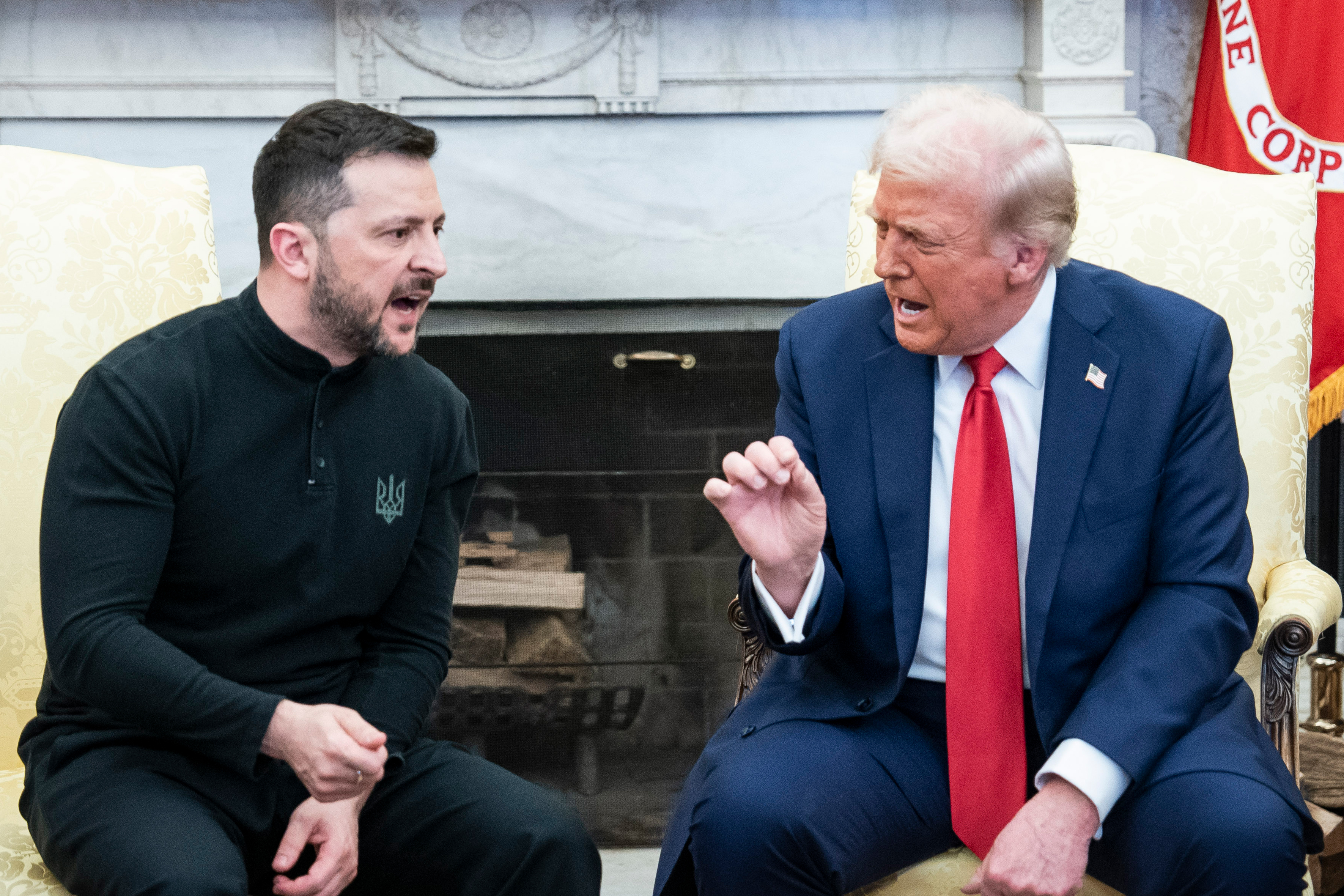
That framing describes the structural reality of the Trump administration’s mediation model. Witkoff and Kushner have traveled to Moscow multiple times and met President Vladimir Putin directly. They have held talks with Zelensky’s negotiating team and, most recently, spoken with Zelensky himself. The two sides are not in a room together. Washington shuttles between them, controlling the flow of information in both directions, and, in doing so, controlling what each side knows about the other’s current position.
Zelensky used the call to brief the US envoys on Ukraine’s assessment of Russia’s intentions and what he described as Moscow’s current posture toward the war. He also raised the G7 summit and a series of other diplomatic events scheduled for June. Ukraine, he said, remains committed to a ceasefire framework built around freezing the front line — a position Russia has consistently rejected, insisting that Ukrainian forces withdraw from the parts of the Donetsk, Luhansk, Zaporizhzhia, and Kherson regions that Kyiv still controls.
None of that, as of Tuesday, had been conveyed to Moscow in any official form.
The timing also surfaced a secondary question: when, if at all, would Witkoff and Kushner travel to Russia? Peskov said there was no confirmed date for their arrival. “There is no exact date of arrival to us yet, but at the same time, naturally, we will be glad to see them here at any time,” he said. The channels of communication between Washington and Moscow remained open, he added, but the mediation process in the Ukrainian direction was, as he put it, “on pause.”
That pause, however described, has not produced a diplomatic vacuum. The Kremlin confirmed last week that both open and back-channel contacts with Kyiv remain active. Witkoff’s team has maintained contact with Moscow through existing channels even in the absence of a scheduled visit. The question is what those contacts can produce without the sequential, face-to-face process the envoys have been conducting since January.
Peskov’s briefing Tuesday contained a third strand that carried as much diplomatic weight as the others: the question of European involvement. Asked whether European leaders might play a mediating role in any eventual settlement, Peskov dismissed the idea outright. “They are probably still far from being ready to be mediators,” he said.
The formulation was measured but the logic was pointed. European capitals, in Moscow’s reading, are not parties seeking to end the war. They are parties seeking to continue it under different conditions — backing Ukrainian rearmament, pressing for accountability frameworks, and, in Peskov’s description, attempting to attach preconditions to any mediation role they might eventually claim. That approach, he said, was “unacceptable.”
The European position, as articulated by French, German, and British officials in recent weeks, is that any settlement must include security guarantees strong enough to deter a future Russian operation — and that Europe has a direct stake in those guarantees, whether or not Washington chooses to offer them. Moscow reads that not as a peace condition but as a war continuation strategy wrapped in diplomatic language.
The gap between those two readings of what Europe wants is not new. What is new is the explicit Kremlin position, stated publicly, that Europe’s readiness to mediate does not yet exist — placing the entire weight of any diplomatic momentum back on Washington.
The Kremlin has already registered its view that Washington is not a neutral broker — US Secretary of State Marco Rubio said as much publicly — while simultaneously treating the US as the only channel through which any agreement is achievable. That contradiction is load-bearing. Russia is not looking to Europe, is not negotiating bilaterally with Kyiv, and is waiting for an American interlocutor who has not yet scheduled a visit to Moscow.
Zelensky, for his part, has escalated his own diplomatic activity ahead of the G7. His open letter to Putin earlier this month — the first direct public outreach since 2022 — was rejected at the St. Petersburg International Economic Forum. Putin said he saw no point in a meeting with Zelensky. The phone call with Witkoff and Kushner on June 8, conducted during a stopover at Chisinau Airport, was a different kind of move: an attempt to ensure that whatever the US envoys eventually carry to Moscow reflects Ukraine’s current read of Russian intentions, not an outdated one.
Whether that read will reach Moscow accurately — and when — remained, on Tuesday, an open question. According to the Russian side’s own framing of the mediation architecture, what Washington decides to pass on, and what it chooses not to, shapes the space available for any agreement. Moscow was still waiting to find out which category Sunday’s call would fall into.
No date for a Putin-Trump phone call has been put on the agenda, Peskov confirmed.