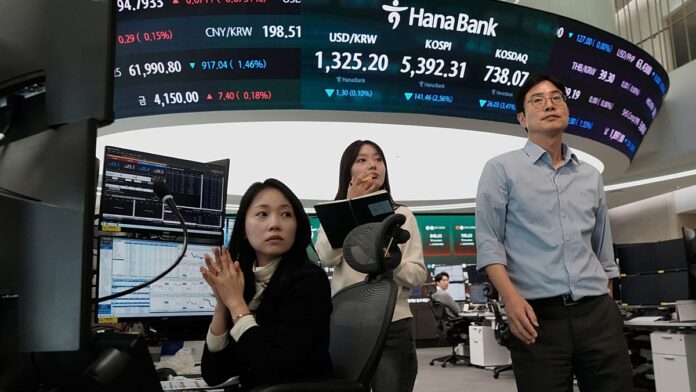

HONG KONG, June 13, 2026 (The Eastern Herald) — Hong Kong has quietly reclaimed the position of top global initial public offering venue for the first time since 2019, the city’s exchange operator confirmed this week, with Hong Kong Exchanges and Clearing chief executive Bonnie Chan Yi-ting telling investors that the IPO pipeline now contains more than ten international firms and that the underlying structural shift toward Hong Kong as the preferred listing destination for Asian technology, biotechnology and consumer-internet companies has hardened into a reliable pattern. The first quarter of 2026 produced the largest quarterly IPO volume Hong Kong has seen since 2018, the first five months delivered ten specialist technology listings raising 25 billion United States dollars in aggregate, and the IPO queue now stretches into 2027.
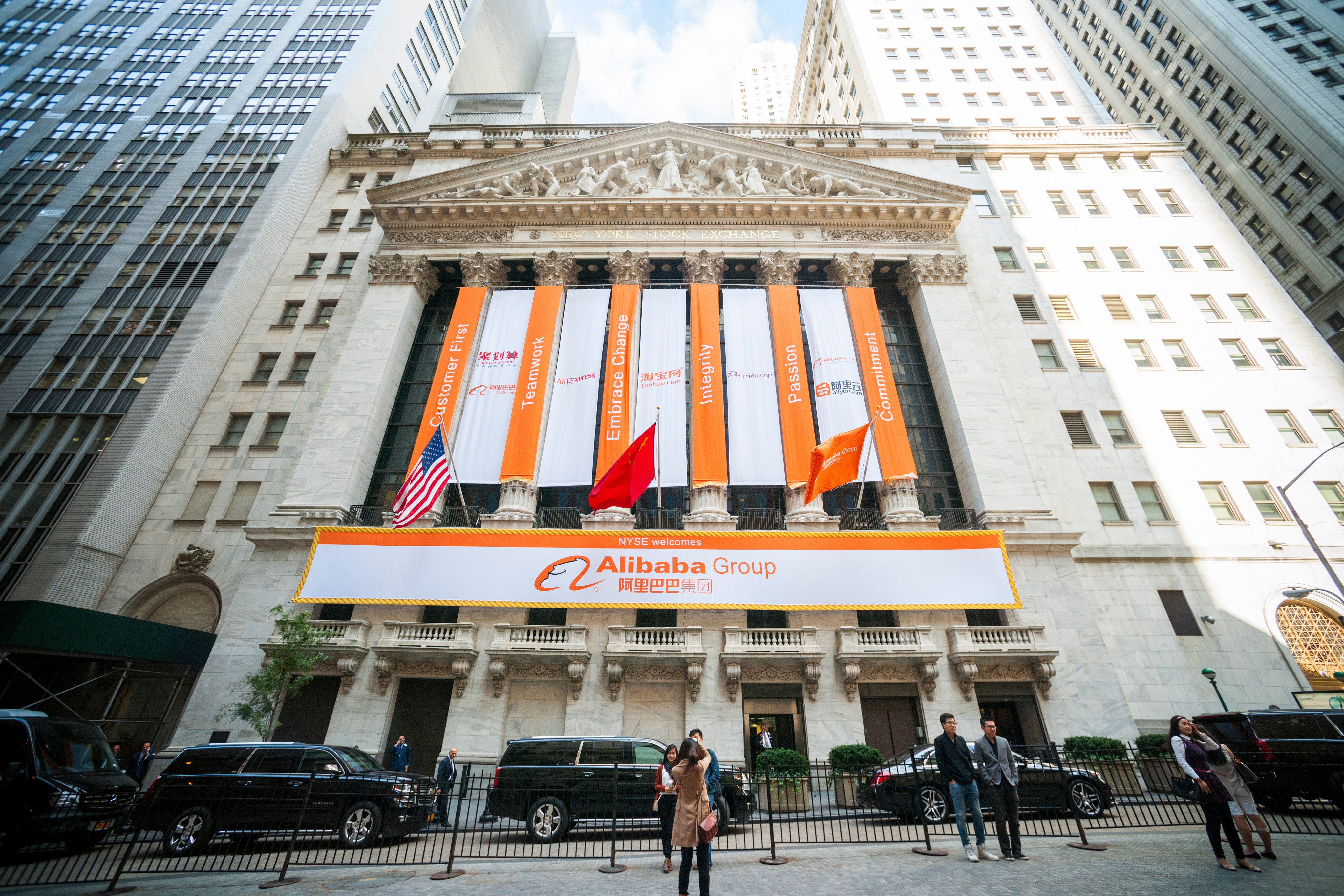
The structural backdrop deserves the most attention. Hong Kong introduced the 2018 listing reform package, which included Chapter 18A for pre-profit biotech firms and the weighted-voting-rights regime for innovative consumer-internet companies, as a deliberate response to the loss of Alibaba and other Chinese tech leaders to United States exchanges in the preceding decade. The reforms have, by Chan’s reckoning, delivered more than 340 new-economy listings since 2018, raised aggregate proceeds of over 1 trillion Hong Kong dollars, or roughly 128 billion United States dollars, and account for about 65 percent of all IPO funds raised through HKEX over the period. The tech sector’s share of the broader Hong Kong market has climbed from 15 percent in 2016 to 44 percent today, and the turnover associated with tech-sector names has grown more than sevenfold.
The 2026 first-half deal mix is illustrative. The ten specialist tech firms that listed between January and May include a mix of mainland Chinese semiconductor companies, electric vehicle component makers, artificial-intelligence application developers and one Singapore-domiciled software company. The 25 billion dollar aggregate IPO raise across that cohort is comparable to a strong half-year on Nasdaq and is producing a meaningful re-rating of the Hong Kong market’s overall valuation multiple. The Hang Seng Tech Index is up roughly 28 percent year to date, and the broader Hang Seng Index has tracked higher in sympathy.
Chan’s commentary on the SpaceX IPO last week, calling it an exciting deal for the broader public-equity ecosystem, was widely read as a signal that HKEX is preparing for a similar order of magnitude of Asian commercial-space listings in the months ahead. The Chinese commercial-space IPO queue that has been forming since the start of the year, including LandSpace, Galactic Energy, CAS Space, Adaspace and Fortunetone, is concentrated heavily on the Shanghai STAR market and HKEX, and the Hong Kong venue is positioned to capture the mid-cap specialist names that fit the 18A-style listing reform. The Adaspace and Fortunetone filings are already in active processing.
The competitive dynamics with Nasdaq and the New York Stock Exchange are also worth flagging. United States listings of mainland Chinese companies have been hit by the cumulative weight of CFIUS reviews, the Holding Foreign Companies Accountable Act, the broader political environment around Chinese-American capital flows and the specific friction that has built up around mainland data-sovereignty reviews. The DiDi delisting in 2022, the broader pullback of Chinese ADR issuance through 2023 and 2024 and the relatively friendlier Hong Kong regulatory and political environment have produced a structural rotation of mainland Chinese new-economy listings back to Hong Kong. The cumulative effect is that Hong Kong now captures roughly 95 percent of mainland Chinese new-economy listings, up from 60 percent in 2019.
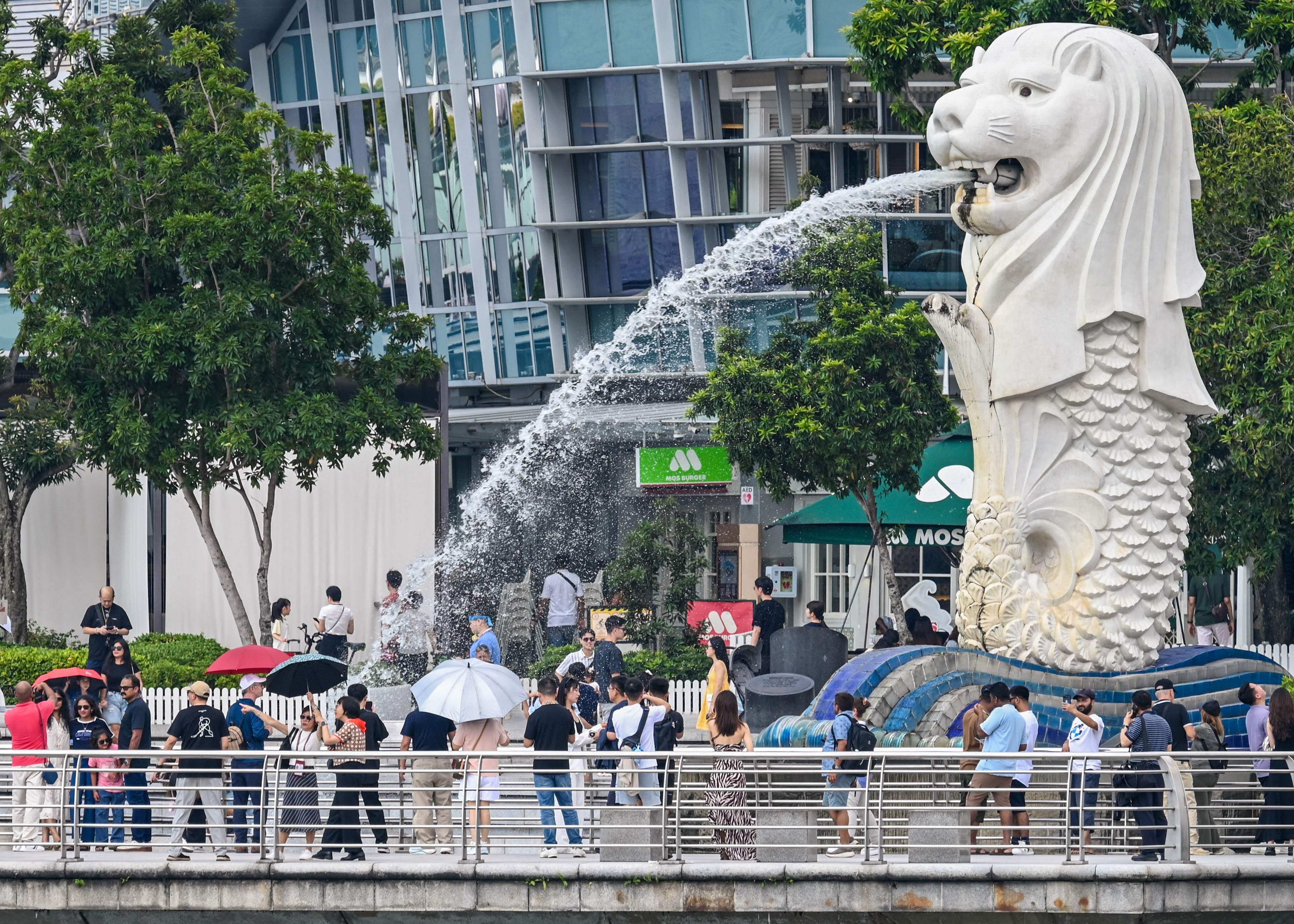
The international issuer angle is the most interesting forward-looking variable. Chan said that more than ten international firms are now in the HKEX pipeline, with the Singaporean, Indonesian and Middle Eastern firms most active in the recent filings. The political and economic logic that brings these issuers to Hong Kong includes proximity to Chinese institutional capital, the depth of the city’s offshore renminbi market and the consistent dollar-clearing access through Hong Kong’s banking system. The deal team responsibilities being signed up by JPMorgan, Goldman Sachs, Morgan Stanley, Citi and the largest Chinese investment banks reflect the cross-jurisdictional placement skills that the international issuer cohort requires.
The financial-architecture context that supports the listings story is now broad. CITIC Securities’ first A-category Fitch rating earlier this week is the credit-side complement to the equity-listings recovery. The fund-manager carry-tax bill gazetted on Friday is the talent-side complement. The yuan-rupiah cross-border settlement framework signed on Wednesday is the settlement-infrastructure complement. The HKEX listings-volume recovery is the equity-market complement. The combined effect is that the Hong Kong wealth-and-capital-markets architecture is now the most complete in Asia.
Singapore remains the principal direct competitor. The Monetary Authority of Singapore has been actively pursuing tech IPO mandates for the SGX, and the city-state’s deeper international institutional base has been the historical advantage on which Singapore relies. The Singapore Exchange’s tech-listings volume in the first five months of 2026 was approximately 4 billion dollars, well below HKEX’s 25 billion. The competitive read is that Hong Kong has retaken meaningful market share that Singapore had captured between 2020 and 2024 on the back of the post-COVID political uncertainty around Hong Kong, and that the recovery cycle is durable enough to keep the balance tilted back toward HKEX for the rest of the decade.
The mainland Chinese A+H listing structure has also become a meaningful new vector. Mainland Chinese-listed companies are increasingly seeking secondary or dual-primary listings on HKEX through the A+H route, which provides international investor access through Hong Kong’s regulatory framework without giving up the home-market listing in Shanghai or Shenzhen. The first six A+H listings of 2026 raised approximately 12 billion dollars in incremental Hong Kong proceeds and produced sustained mainland-Chinese-investor interest in the Hong Kong-listed lines through Stock Connect’s southbound channel. The A+H model is now expected to deliver another 10 billion to 15 billion dollars of incremental issuance through the second half of the year.
The investor-base diversification deserves equal attention. International institutional ownership of Hong Kong-listed Chinese tech equities, which fell from a 2020 peak of nearly 18 percent to a 2024 trough of 6 percent, has recovered to roughly 11 percent. The recovery is partially a function of the broader Chinese regulatory normalisation that Beijing’s regulators have been engineering since 2024, and partially a function of HKEX’s own active engagement with the global asset-management community. The listings volume recovery is a direct consequence of the investor-base recovery, and the two reinforce each other.
HKEX’s own earnings benefit from the volume recovery in a direct and substantial way. The exchange’s first-quarter 2026 results delivered record IPO and trading-revenue contributions, with operating margins north of 75 percent and the highest quarterly dividend-policy commitment the company has set in three years. HKEX’s own shares are up roughly 35 percent year to date, and the broker-dealer community across Hong Kong is reinvesting in deal-team capacity for the first time since 2022. The cumulative business-development effect is that the city’s financial-services labour market has tightened materially through 2026.
The political conditions also matter. The Lee administration’s housing-policy commitments, the Hong Kong Monetary Authority’s targeted policy interventions around the family-office regime and the city’s strategic positioning around the broader Chinese economic-policy framework all contribute to the wider regulatory and institutional context that supports the listings recovery. The cumulative effect is that the previous Hong Kong narrative of post-2020 institutional decline has been actively reversed and replaced with the much more confident financial-hub framing that Chan has been articulating in investor briefings throughout this spring.
The forward-looking concerns are worth flagging. The Hong Kong listings recovery remains dependent on continued mainland Chinese demand for international institutional capital, which is itself dependent on the broader bilateral political environment between Beijing and Washington. A significant escalation in the United States-China trade relationship, a renewed Chinese capital-account tightening or a major shock to the broader Asia-Pacific political environment could rapidly disrupt the listings recovery. Chan has been careful in her public commentary to highlight the dependency without dwelling on the downside. The South China Morning Post framed the moment as Hong Kong’s pivot to emerging sectors. The Standard’s reporting on the 25 billion dollar aggregate tech-listings raise provides the operational detail.
The cleanest reading of the Hong Kong listings recovery is that the 2018 reform package, the mainland Chinese regulatory normalisation, the political-economic logic that pushed Chinese new-economy issuers back to Hong Kong and the cumulative wealth-and-capital-markets architecture that the city is rebuilding have produced a durable structural advantage. The 25 billion dollar specialist-tech listings raise in the first five months is the visible measure of that advantage. The 340-plus new-economy listings since 2018 is the cumulative track record. The forward pipeline of more than ten international firms is the leading indicator. Hong Kong’s tech-listings recovery is not a one-off cyclical episode. It is the operational expression of a structural realignment that has been taking shape since 2022 and that the Chan-led HKEX is now executing against.