
TOKYO — Japan has quietly reopened high-level channels to Moscow, sending officials and business leaders to the Russian capital and returning to Russian oil, a pragmatic drift that has unsettled its G7 partners on the eve of a summit built around keeping Russia isolated.
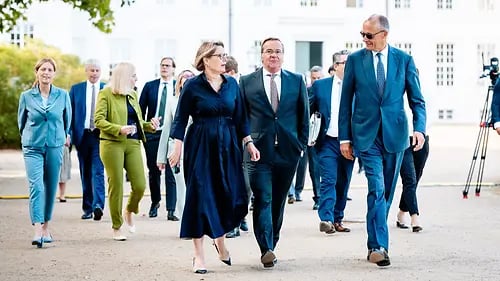
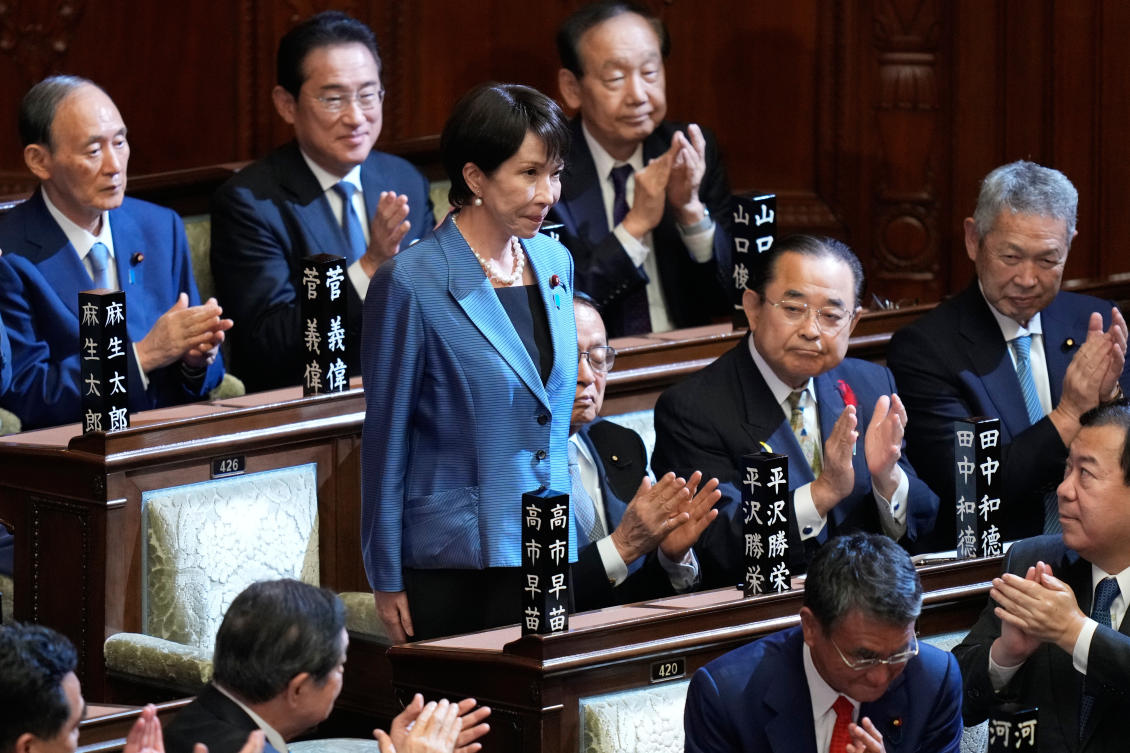
The friction will follow Prime Minister Sanae Takaichi to France, where G7 leaders convene on June 15, with several European governments having already pressed Tokyo over contacts they fear send the wrong message while the West works to choke off the Kremlin’s revenues.
The most pointed signal came in late May, when senior officials from Japan’s foreign and trade ministries, accompanied by executives from the Japan Business Federation, spent two days in Moscow meeting counterparts at Russia’s economic development and industry ministries. It was the most substantial commercial contact between the two governments since Russia’s 2022 invasion of Ukraine.
Tokyo cast the talks as narrow and defensive. The aim, Economy Minister Ryosei Akazawa said, was to safeguard the assets of Japanese companies still operating in Russia, while Foreign Minister Toshimitsu Motegi brushed off the criticism with the observation that communication remains important even during periods of strained relations.
Behind the diplomacy sits a hard energy calculation. Sakhalin-2, the Russian project in which Japanese firms hold stakes, supplies close to a tenth of Japan’s liquefied natural gas, and Washington has repeatedly extended a sanctions waiver to keep that gas flowing, most recently through June.
The pressure intensified this spring. After the war between the United States, Israel and Iran disrupted shipping through the Strait of Hormuz, Japan bought Russian crude for the first time since the closure, a reminder that a resource-poor archipelago cannot easily afford the purity the West demands of it.
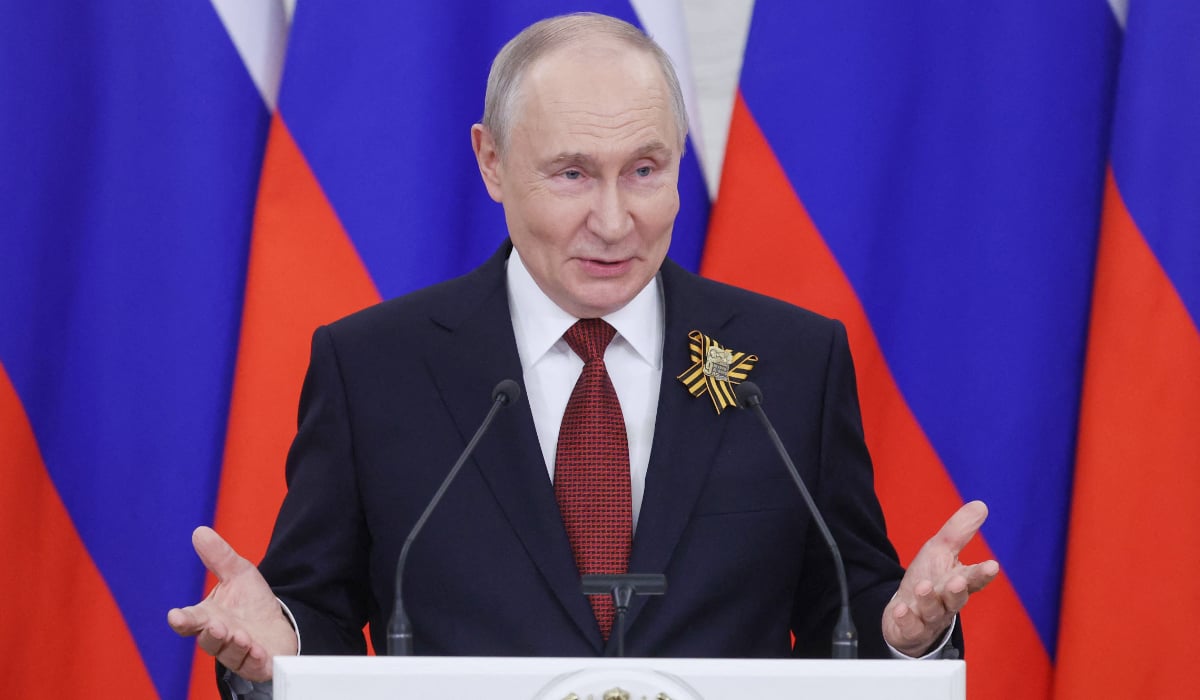
For Takaichi, the balancing act is awkward. She is among the most hawkish leaders Japan has produced in a generation, an advocate of deeper military alignment with the United States and a harder line on China, and no natural friend of Vladimir Putin.
Yet even she has declined to follow Washington and Brussels into a full rupture with Moscow, calculating that Japan’s interests in energy, in protecting its companies, and in eventually managing a vast northern neighbour are not served by total estrangement.
The Japanese position echoes a wider unease in Asia with the West’s insistence on isolating Russia. India has openly defended its purchases of Russian oil against European criticism, and much of the Global South has declined to join the sanctions regime, viewing it as a European war the rest of the world is asked to pay for.
Japan has not abandoned Kyiv. It contributed fresh money to a NATO-led weapons fund for Ukraine in late May, and Takaichi is expected in France to restate her support and try to calm her partners. But the gap between the rhetoric of unity and the practice of national interest is widening.
What Tokyo’s manoeuvring exposes is the limit of the isolation strategy itself. If a treaty ally of the United States, dependent on it for its security, still finds reasons to keep talking to Moscow, the idea that Russia can be sealed off from the world looks less like a fact than a wish the G7 keeps repeating to itself.
Related Posts