
NEW YORK — It took three letters to start an international incident. Selena Gomez typed “lol” under an Instagram post, and within a day she was issuing the kind of statement usually reserved for people who have actually said something.
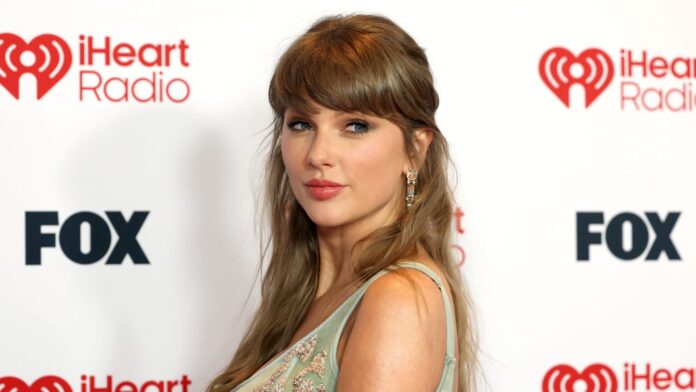
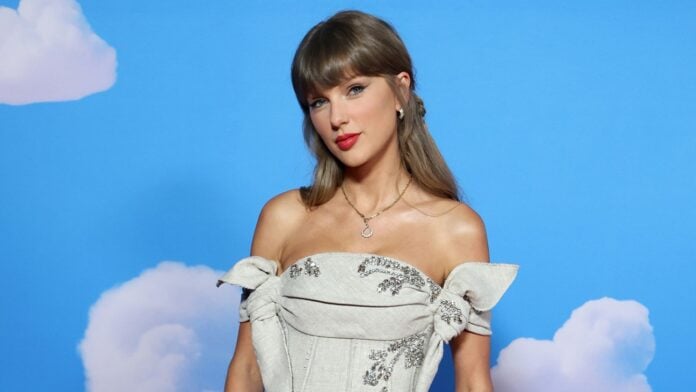
The post belonged to MTV, a carousel of celebrities at Madison Square Garden for Game 4 of the NBA Finals on June 10, the night the Knicks erased a 29-point deficit for the biggest comeback in Finals history. The first slide showed Taylor Swift mid-celebration, hugging “Law & Order” star Mariska Hargitay and leaping alongside Este Haim, all of it captured during the kind of night Hargitay later called one of the greatest of her life. Gomez, scrolling like everyone else, left her three letters and moved on.
The internet did not move on. By Friday a section of it had decided the “lol” was sarcasm, a coded jab at Swift, and the two-decade friendship between the pop star and the actress was quietly on fire. Gomez woke up, as she put it, to a phone full of texts about a feud she did not know she was in.
So she did the modern celebrity thing and litigated it on Instagram Stories. “i would never insult my friends nor was it an insult,” she wrote, Billboard reported. The “lol,” she explained, was a reaction to the first slide, not a verdict on it, and the confusion had been compounded by a separate screenshot she had posted of herself losing a friendly bet on the game. “I lost but was poking fun at my opponents, my friends,” she wrote, before arriving at the line that doubles as the whole story’s thesis: “Believe it or not I do have other friends in my life.”
She signed off with the only sane note available to her. “also .. It’s a basketball game.”
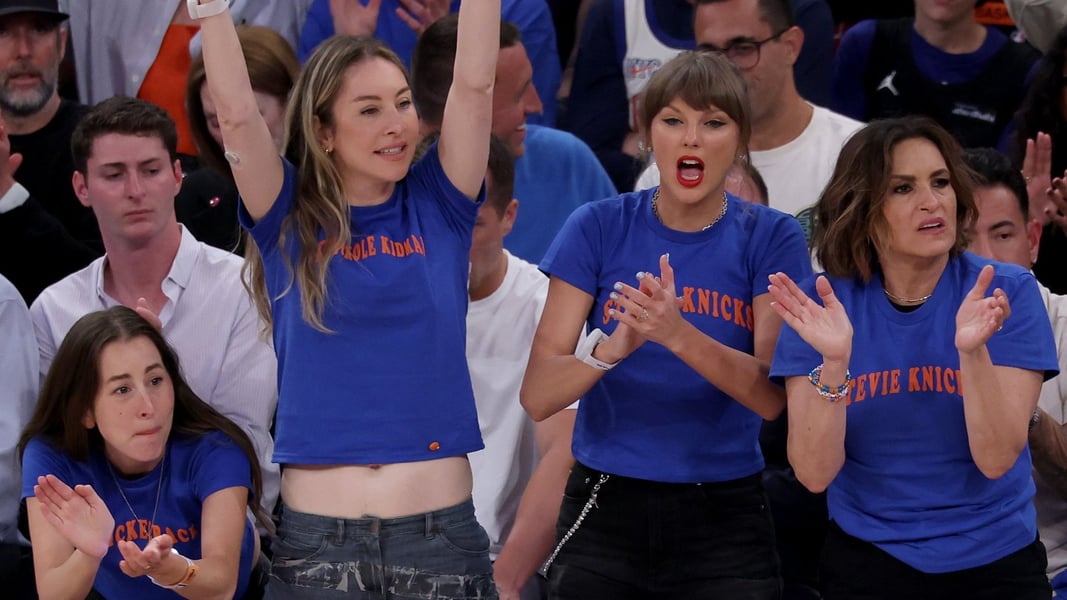
What is striking is not that Gomez responded but that she had to. There was no quote to walk back, no clip to contextualize, no interview gone wrong. There was a three-character comment, and a machine that turns ambiguity into conflict because conflict performs. The same fan ecosystems that track every glance between famous women had taken a unit of language too small to carry a tone and assigned it the worst possible one.
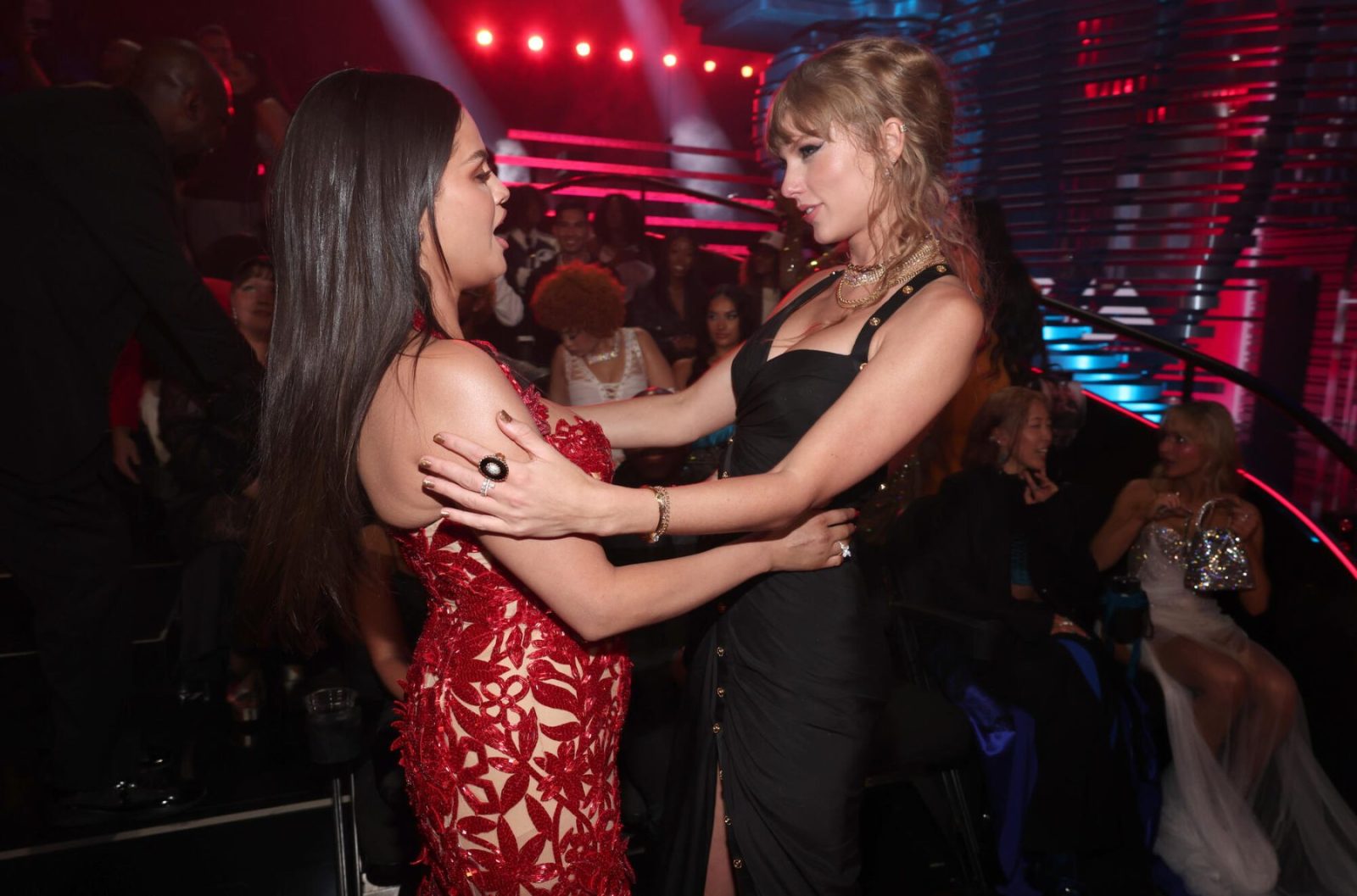
Gomez is an unusually well-documented test case for this, because her friendship with Swift is one of the most chronicled in pop. They have been close for the better part of twenty years, a bond fans have studied frame by frame, which is precisely why a single ambiguous comment from one of them registers as seismic. The intimacy that makes the friendship beloved is the same intimacy that makes a “lol” legible as betrayal to people determined to read it that way.
The timing did her no favors. Swift has spent the week as the main character of American celebrity, dancing courtside through the Knicks’ run and, days earlier, becoming the youngest woman ever inducted into the Songwriters Hall of Fame. When one half of a famous friendship is everywhere, the other half’s silence, or worse, a stray “lol,” gets read as commentary. Gomez, for her part, has spent the same stretch newly married and largely offline, which is part of why the texts blindsided her.
There is a small, slightly bleak comedy in watching a woman who got married last year and has talked openly about stepping back from the noise get dragged back into it over punctuation she did not use. The denial worked, as these denials tend to. The story will dissolve by Monday. But the mechanism that produced it will still be running, waiting for the next emoji, the next unsmiling photo, the next three letters it can inflate into a war.
What the episode does not answer is why the burden of proof keeps landing on the women. Swift said nothing and lost nothing. Gomez said “lol” and spent a morning defending a friendship nobody involved had questioned. The feud was never real. The obligation to deny it was. That is the part worth keeping after the screenshots fade: not whether Selena meant anything, but that the internet has made meaning her problem to disprove.