
GUADALAJARA, Mexico — The giveaway was where the gaps were. As South Korea beat the Czech Republic on Thursday, the empty seats at the Estadio Akron were not scattered in the upper corners where empty seats usually hide. They were down by the pitch, in the expensive rows, the VIP sections where a general-admission ticket ran around $400. A World Cup match announced at 44,985 in a stadium that holds nearly 46,000 had its most conspicuous holes in its most costly seats, and the image traveled faster than either goal.
That is the signature of a pricing model, not a scheduling fluke. For the first time at a World Cup, FIFA is selling tickets through dynamic pricing, the airline-style system it trialed at last summer’s Club World Cup, where the cost of a seat floats on demand rather than sitting at a fixed face value. The result, three days into the tournament, is a showcase whose best seats are too expensive to fill even when the cheaper sections are packed.
The range is the problem, not any single number. Reporting around the tournament’s opening has put the cheapest group-stage tickets at roughly $140 and the most expensive seats for the final as high as $8,680, a spread that turns the phrase “a ticket to the World Cup” into a category rather than a price, as NBC News reported. A family priced into the building for a group game finds the gap between their seats and the empty VIP rows is measured in thousands of dollars.
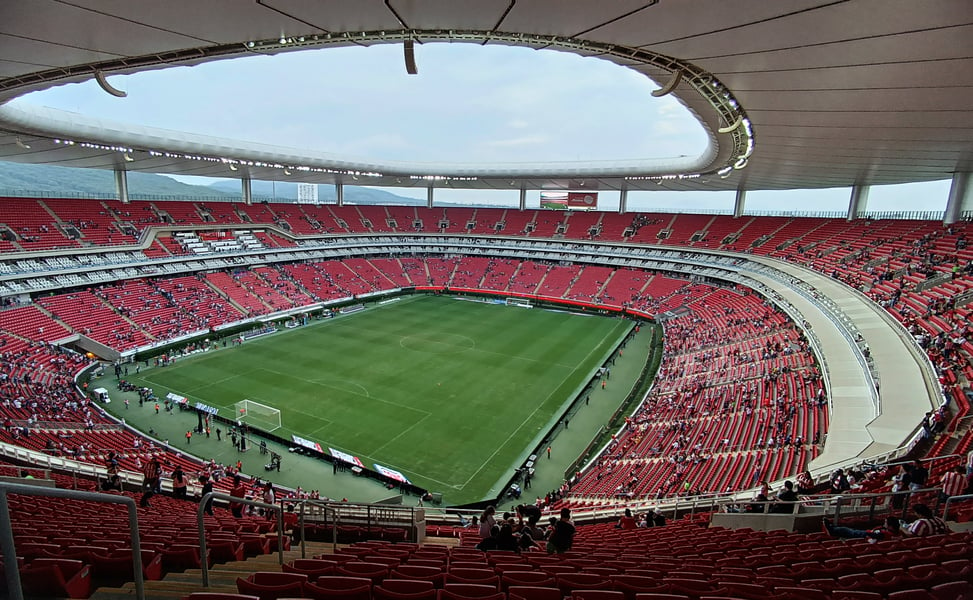
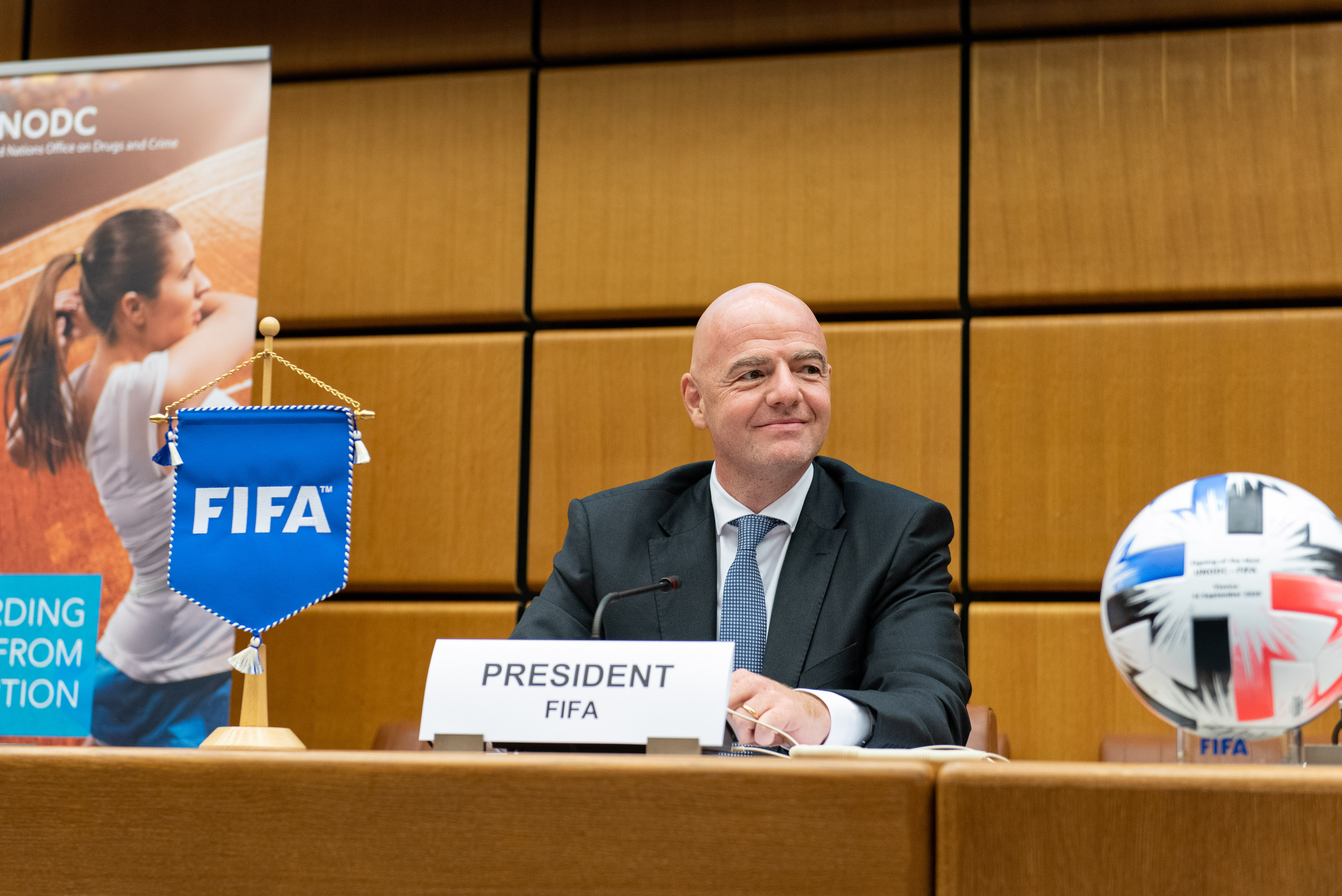
FIFA’s defense runs through its president. Gianni Infantino has pointed to the floor rather than the ceiling, noting that the $60 entry price is the lowest of any American sport’s playoff phases, a comparison that is true and also beside the point for anyone trying to buy a seat with an actual sightline. The governing body has also leaned on volume, touting some five million ticket requests as proof of demand. Demand for requests is not the same as bodies in premium seats, and the premium seats are exactly what the cameras found empty.
The supporters’ organizations are no longer asking politely. Football Supporters Europe has called the prices “extortionate” and urged FIFA to halt ticket sales outright, and fan groups have filed a formal complaint against the governing body over the cost of attending. This follows an opening stretch in which FIFA had already drawn fan anger over in-stadium rules on water bottles and vuvuzelas, the small indignities and the large costs arriving in the same week.
What makes the empty seats sting is what they undercut. FIFA sells this tournament as the people’s event, the global game’s most democratic festival, and then prices its showcase rows beyond the reach of the people in the building. The match itself was a genuine spectacle, a comeback decided by a moment of quality, played out in front of a backdrop that quietly contradicted the marketing. Dynamic pricing is built to capture every dollar a market will bear. What it does not do is fill a stadium, and a half-empty premium tier on television is a more expensive kind of failure than a discounted ticket would ever have been.
None of this is likely to move FIFA mid-tournament. The pricing architecture is set, the sales are live, and the governing body has spent the week defending rather than adjusting. The open question is whether the empty seats spread, because the venues get bigger and the marquee matches get more expensive from here, and the gap between a sold figure and a full stadium tends to widen as the prices climb. The final is the one priced at $8,680. It will not have empty seats. Everything before it might.