
MUMBAI — Eighteen people are dead and sixty-five injured in Maharashtra in the past week as the southwest monsoon, which the India Meteorological Department has now confirmed has crossed into central India after a delayed advance from Kerala, accelerates up the western coastal corridor. Most of the deaths in the state’s running rain-related casualty register, the Maharashtra State Disaster Management Authority confirmed late Friday, were caused by drowning in Raigad district during the June 8–11 pre-monsoon thunderstorm window, by wall collapses in Pune’s old quarters, and by landslides in the Satara and Kolhapur ghats. The IMD’s regional Mumbai office has now placed thirty Maharashtra districts under yellow alert through the weekend, including the Konkan-coast band of Mumbai, Thane, Palghar, Raigad, Ratnagiri and Sindhudurg; the Western Ghats districts of Pune, Satara, Sangli and Kolhapur; and the inland Vidarbha and Marathwada districts that the monsoon is expected to enter by mid-week.
Chief Minister Devendra Fadnavis, who took office in December 2024 after the Mahayuti coalition’s Maharashtra state-elections sweep and who has run the state through six months of pre-monsoon administrative consolidation, called what his office described as an ‘urgent inter-departmental review’ on Friday afternoon at Mantralaya in Mumbai with the water resources, agriculture, finance, urban development, and disaster management ministries in the room. The chief minister told the press after the meeting that the state government has placed seventeen thousand National Disaster Response Force, State Disaster Response Force, and police personnel on standby across the at-risk districts and that the emergency-response architecture the previous Maharashtra government had reorganised after the July 2021 Raigad landslide is operational. The state has also asked the central government to release one hundred and twenty crore rupees — approximately fourteen million dollars at the May 2026 exchange rate — from the National Disaster Response Fund for immediate flood-and-landslide-preparedness work.
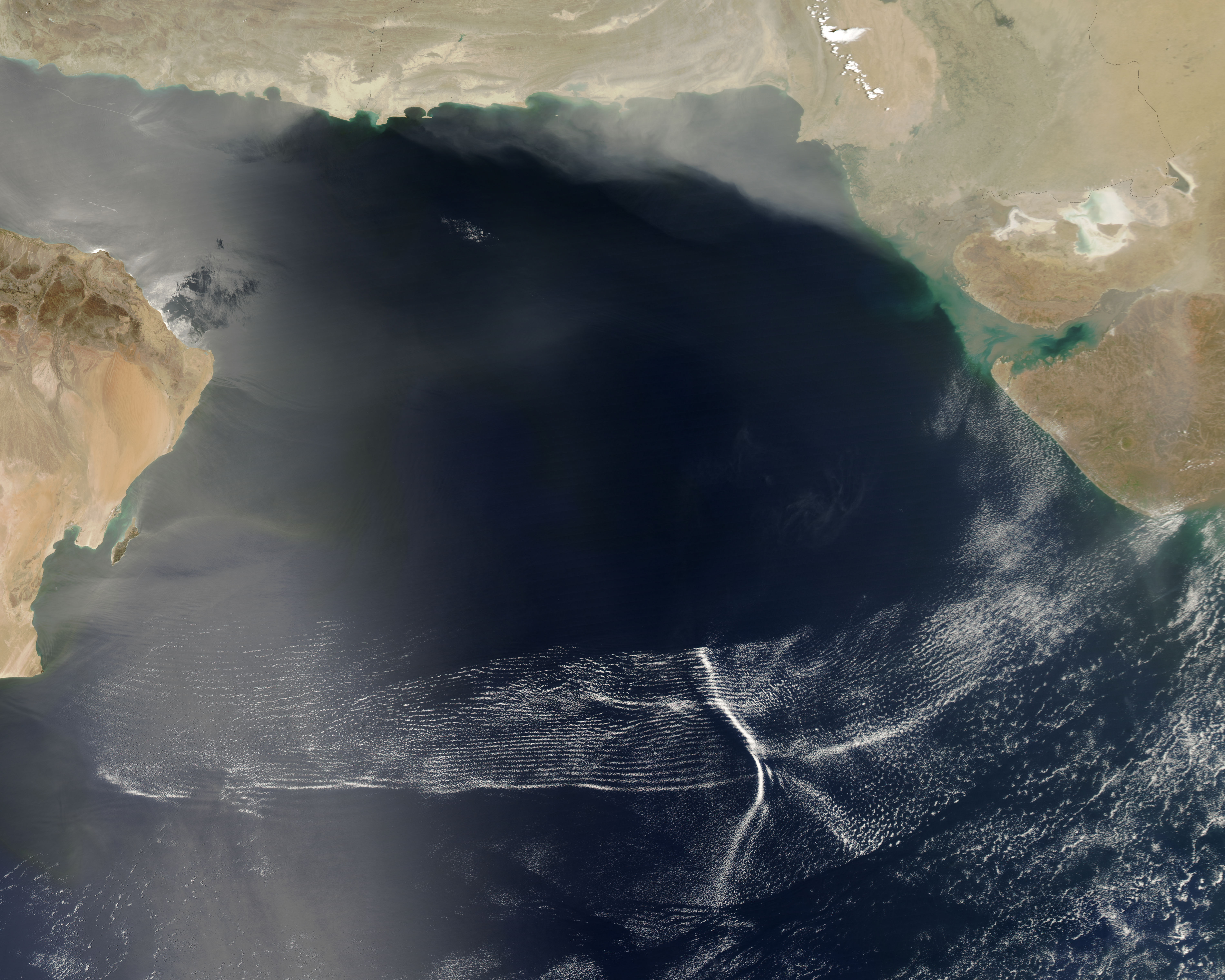
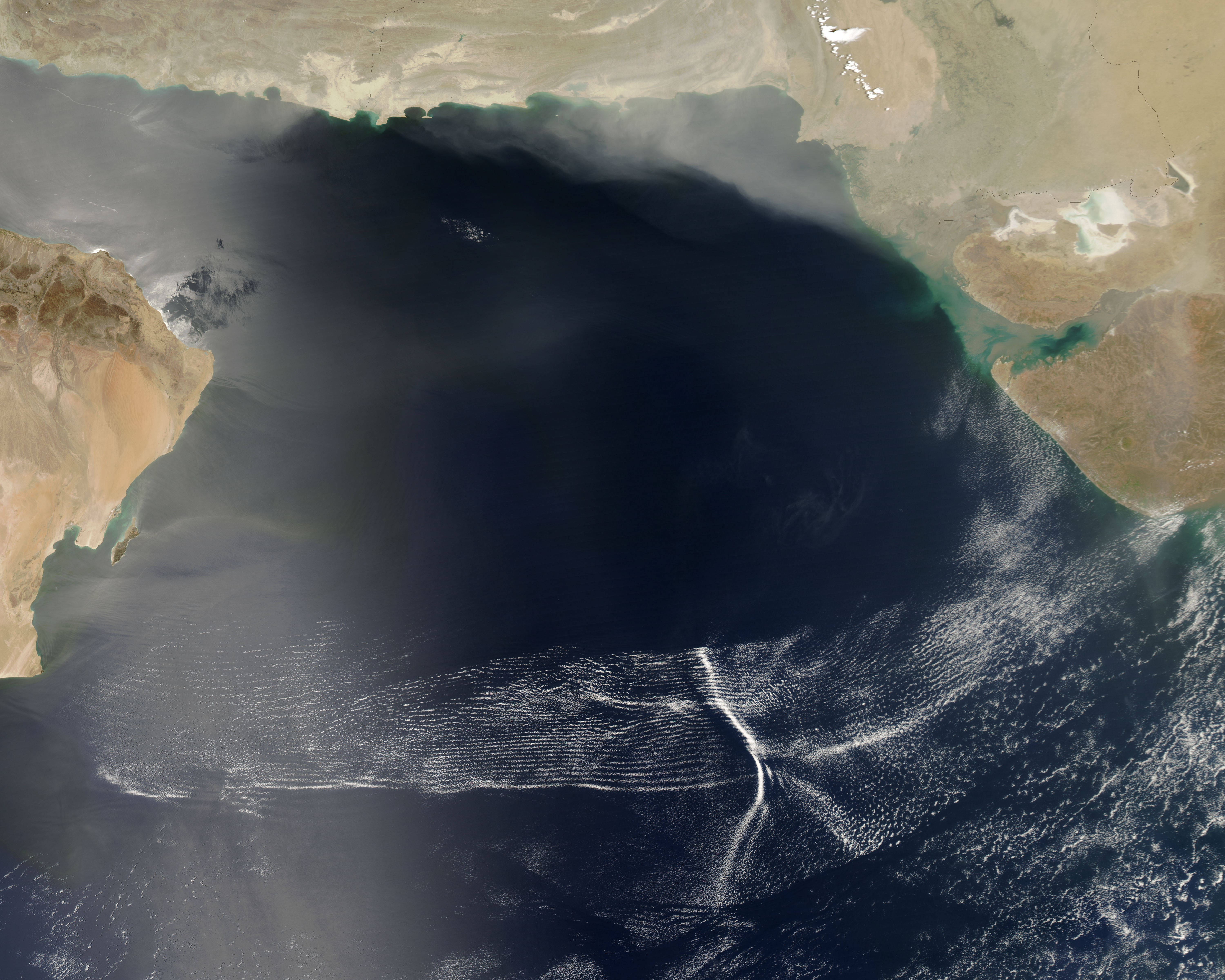
The IMD’s Mumbai regional director, Sushma Nair, told reporters at the Colaba weather observatory Friday evening that the monsoon’s onset over Mumbai itself is now expected on Tuesday, June 17, on the published satellite-cloud-cover trajectory. The Mumbai onset date varies year to year by approximately seven days; the long-period average is June 10. This year’s monsoon, which struck Kerala on May 24 — eight days earlier than the long-period normal of June 1 — stalled on the south-west Konkan coast for nine days as a competing western disturbance pushed dry continental air against the advancing monsoon trough. The IMD’s preliminary seasonal forecast published in April projected the 2026 southwest monsoon at one hundred and four percent of the long-period average across the country and one hundred and seven percent across central India. The 2026 monsoon will be the first in three years to record above-average rainfall on the country level. The Kerala state government has issued red alerts in Thiruvananthapuram, Kollam, Pathanamthitta, Kottayam, Thrissur, Malappuram, Kozhikode and Kannur through Sunday.
The pre-monsoon thunderstorm sequence that produced this week’s Maharashtra deaths is, on the readings the Indian Institute of Tropical Meteorology in Pune published in its Monsoon Mission bulletin Friday, the operational signature of a climate-shifted monsoon. The IITM’s monsoon-onset analysis through the past five seasons shows the pre-monsoon thunderstorm intensity has increased by approximately twenty-three percent on the 1991–2020 baseline, with a corresponding increase in the early-June drowning-and-landslide casualty count. The Mahad landslide of 2021, which killed thirty-eight people in a single Raigad-district village, was the casualty pattern the post-event review of the Maharashtra disaster-management response had been preparing the state to manage in 2026. The Raigad drownings of June 9–11 — four members of one family in the Kundalika river floodplain and a separate group of three NCC cadets at a Mahabaleshwar trekking outing washed away after a flash flood — are the operational expression of the same climate-shift signature, on a meteorological pattern the state’s disaster-management plan now models on the 2021 event.
Pune’s old city, where the wall-collapse deaths of the past week have been concentrated in the Peth wards — Kasba, Shukrawar, Budhwar and Narayan — has been the locus of the local-level political conversation. The collapses, which the Pune Municipal Corporation’s structural-audit office has been documenting since May, are concentrated on the city’s stock of pre-1900 residential structures that have not been retrofitted to current seismic-and-monsoon load specifications. The PMC’s published structural-audit risk register lists approximately two thousand and seventy buildings in the Peth wards as at ‘high risk’ of monsoon-induced collapse; the building-by-building remediation programme the previous municipal commissioner began in 2024 has, on the corporation’s published progress reports, completed structural assessment on six hundred and eleven of those structures and full remediation on one hundred and ninety-four. The municipal-elections cycle, which the Maharashtra State Election Commission has tentatively scheduled for the third week of October 2026, will be fought, in Pune at least, on the monsoon-resilience question.
The political resonance reaches further. Maharashtra is the state where Air India Flight 171 — the Boeing 787-8 Dreamliner that crashed in Ahmedabad on June 12, 2025, killing two hundred and sixty — originated half its bureaucratic case-file paperwork, because the AAIB anniversary statement on Friday morning placed the deaths of one hundred and three Maharashtra residents on the AI171 manifest in the same week as the Maharashtra monsoon-disaster register’s eighteen. Prime Minister Narendra Modi, who is in Europe through the weekend for the G7 Évian summit and whose office has dispatched aviation minister Kinjarapu Ram Mohan Naidu to Ahmedabad and Union Home Minister Amit Shah to Mumbai for a Saturday-evening review with Chief Minister Fadnavis at Raj Bhavan, is operating, on Friday-evening readings of the prime minister’s office’s working brief, on the calculation that the Maharashtra disaster-management response is operationally ahead of the political curve in a way the AI171 investigation is not. The political-cycle alignment of the two events is the question the Maharashtra desk press is reading Saturday morning.
The Maharashtra agricultural picture is the second-order variable the Mumbai chamber of commerce and the Mumbai-based Tata Group head office have been watching through the week. The 2026 kharif sowing window, which opens with the first sustained monsoon rains in the Marathwada and Vidarbha districts and which the state’s six and a half million cotton and soybean farmers have been preparing seed and fertiliser inventory for through the past six weeks, is now operationally on the IMD’s medium-range forecast. The Maharashtra State Agricultural Marketing Board has reported pre-positioning of approximately one and a half million tonnes of seed inventory and three hundred and seventy thousand tonnes of fertiliser across the state’s district agricultural offices through May. The El Niño-Southern Oscillation signal that the National Centres for Environmental Prediction tracked at neutral on its May update is, on the bureau’s preliminary June read, trending toward La Niña development by August — the meteorological condition most strongly correlated with above-average Indian monsoon performance.
The Mumbai operational picture Saturday morning was the immediate variable: BEST buses on the Western Express Highway, the Mumbai Metro on its Aqua and Red lines, and the Mumbai suburban railway on the Western, Central and Harbour lines all running on schedule through the morning peak. The BMC’s Friday-evening pre-positioning of fifteen thousand five hundred manhole-cover-and-grate-clearance workers across the wards, sixteen high-capacity de-watering pumps at the chronic flood-prone Hindmata Junction in Dadar, and the running of overnight tide-clearance operations across the Mithi River basin meant that the immediate flood-response architecture was operational. The BMC’s pre-monsoon preparedness rating in the city’s Friday municipal-corporation review was placed at seventy-eight percent of the twenty-six-criterion checklist the city established after the July 2005 catastrophic flood. The 2026 monsoon, on the IMD’s published intensity forecast, will be the test.
The cross-Indian picture is one of monsoon advancement: the southwest monsoon has now covered the entire Indian peninsula south of the Krishna river basin, Karnataka, Telangana, Andhra Pradesh, Tamil Nadu, parts of West Bengal and Bihar, and is expected to reach Delhi and the National Capital Region by June 22 on the IMD’s published trajectory. The Kerala state government’s red alerts are in their third day; the Mahanadi-and-Godavari river basin is expected to enter flood-warning condition over the coming forty-eight hours; and the Punjab and Haryana state governments have begun coordinating water-storage releases from Bhakra and Pong dams in advance of the monsoon’s northern-state arrival. The 2026 monsoon, which the Indian Meteorological Department has projected at one hundred and four percent of the long-period average, will, on the broad meteorological readings, be the most consequential climate event in the Indian calendar before the post-Diwali air-quality crisis of November. Saturday is its operational day.
Whether the eighteen Maharashtra dead of this past week become an early footnote in the 2026 monsoon’s national bookkeeping or a leading indicator of the season’s casualty pattern is the question the IMD’s Saturday-evening update will begin to answer. The Mumbai onset, the IMD director said Friday, will be confirmed on Tuesday’s cloud-cover satellite return. The Western Ghats landslide-risk envelope, on the IITM’s overnight model, is on the upper bound of the past five years’ equivalent window. The state-of-the-monsoon picture across India this Saturday morning is one in which the climate change framing the Indian climate-policy literature has been pushing into the mainstream since the 2021 IPCC working-group report has now become operational. The 2026 monsoon will be the climate event the political-policy response is built around while the prime minister is in Europe through the weekend for the G7 Évian summit and the Iran-US Islamabad Declaration signing in Geneva. The Mumbai BMC and the Maharashtra MSDMA Saturday operational brief will be the day’s most consequential Indian-administrative document.