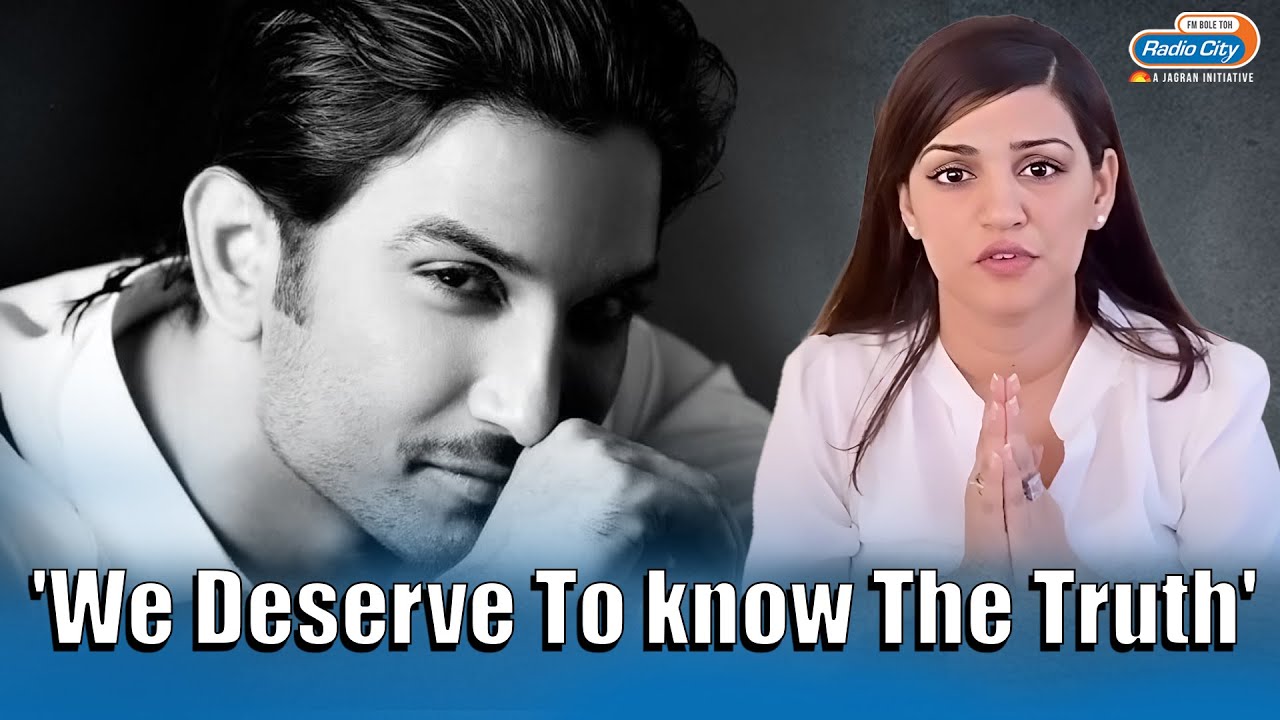

Shweta Singh Kirti marked the sixth anniversary of her brother Sushant Singh Rajput’s death on June 14 with an emotional Instagram post that reframed his legacy around how he lived rather than how he died. She shared an AI-generated image of the late actor depicted as Lord Ram alongside several personal photographs, writing that love does not obey the rules of time.
“The greatest tribute we can offer him is not sadness,” Shweta wrote in her post. “It is to live the values he embodied. Be curious. Be kind. Keep learning. Dream fearlessly. And never let the world harden your heart.” She concluded with a line that captured the sentiments of the millions who still mourn the actor six years on: “The deepest measure of a life is not how long it lasted, but how many hearts it awakened. And by that measure, Bhai remains very much alive.”
Sushant Singh Rajput was found dead at his sixth-floor apartment in Bandra, Mumbai, on June 14, 2020. He was 34. The Mumbai Police initially registered an accidental death report, but following a campaign by his family and fans that became one of the largest public movements in modern Indian history, the case was transferred to the Central Bureau of Investigation. The CBI investigation, which also involved parallel probes by the Enforcement Directorate and Narcotics Control Bureau, has not resulted in a final closure report as of 2026, according to reports by Free Press Journal.
The actor’s career, though cut short, left an outsized imprint on Indian cinema. He made his screen debut on the television serial Kis Desh Mein Hai Meraa Dil in 2008 before breaking out as Manav Deshmukh in Pavitra Rishta, one of Hindi television’s most popular shows. His transition to films began with Abhishek Kapoor’s Kai Po Che in 2013, an adaptation of Chetan Bhagat’s novel The 3 Mistakes of My Life that announced him as a leading man of unusual depth and range.
His commercial peak came with MS Dhoni: The Untold Story in 2016, in which he played the Indian cricket captain with a physical and emotional commitment that earned him a Filmfare nomination alongside co-star Disha Patani. The film grossed over Rs 216 crore worldwide. He followed it with Kedarnath in 2018, which launched Sara Ali Khan, and Chhichhore in 2019, a campus comedy about suicide and academic pressure that won the National Film Award for Best Hindi Film posthumously.
His final film, Dil Bechara, an adaptation of John Green’s The Fault in Our Stars, was released on Disney+ Hotstar on July 24, 2020, five weeks after his death. It became the most-watched film on the platform at the time, with viewers treating its release as both a premiere and a memorial. Producer Kamal Jain, who worked closely with the actor, shared previously unseen photographs on the anniversary, recalling Sushant as someone whose curiosity and warmth extended far beyond the film set.
The aftermath of his death reshaped public discourse around mental health in India and triggered a national conversation about nepotism, insider privilege, and the treatment of outsiders in Bollywood. The debate drew in figures across the industry, from Kangana Ranaut, who became its most vocal participant, to directors and producers who found themselves defending the structures that Sushant’s supporters said had marginalized him.
Six years later, the debates have largely subsided, but Sushant’s presence in public memory has not. Fan accounts continue to post daily tributes. His foundation, set up posthumously by his family, supports education and mental health initiatives. And industry figures like casting director Mukesh Chhabra, who gave Sushant his start in Kai Po Che, remain publicly devoted to his memory.
Shweta’s post, unlike many of the tributes that have marked previous anniversaries, avoided any reference to the investigation or the controversies that followed her brother’s death. Her focus was on what she called the values he embodied: curiosity, kindness, and fearless dreaming. For a family that spent years demanding answers that have not come, the shift toward celebrating a life rather than interrogating a death may be the most telling statement of all.