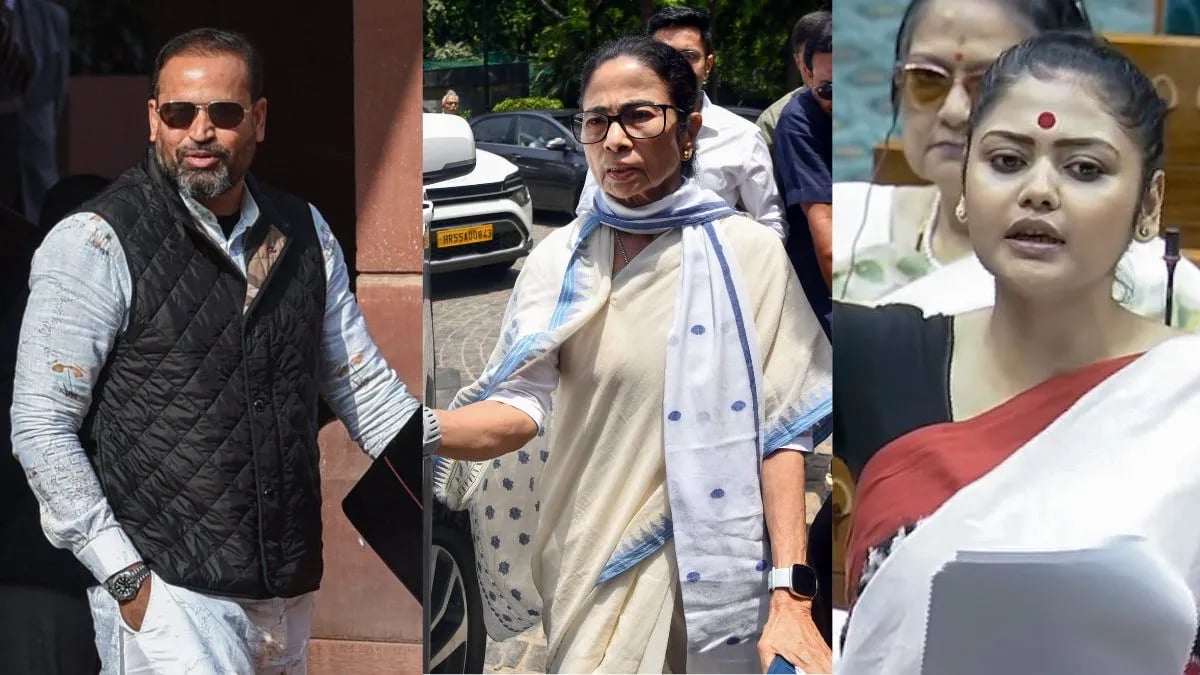

NEW DELHI – On Monday, nineteen Trinamool Congress Lok Sabha MPs will walk into the Speaker’s office and ask Om Birla to do something that Parliament specifically legislated against twenty-three years ago. They want to be recognized as the real TMC, a claim that would let them operate as a separate parliamentary group without losing their seats. The Constitution was rewritten in 2003 to eliminate exactly this kind of maneuver. The rebels are betting that political reality will overrule constitutional text.
The faction, led by four-term Barasat MP Kakoli Ghosh Dastidar, submitted a formal representation to the Speaker’s office last week. Rebel MP Jagadish Barma Basunia confirmed the Monday meeting and told reporters, “We have formed the real TMC group. The maximum number of MPs is with us.” The group has also requested separate seating in the Lok Sabha, a logistical marker that would formalize the split in full view of Parliament.
The legal obstacle is paragraph 4 of the Tenth Schedule of the Indian Constitution, as amended by the 91st Constitutional Amendment Act of 2003. Before that amendment, paragraph 3 allowed one-third of a party’s legislators to form a separate group without facing disqualification. Parliament deleted that provision entirely. The only remaining exemption from the anti-defection penalty is a merger: not less than two-thirds of a party’s members must formally merge with another recognized political party. Anything short of that triggers disqualification, which means loss of the parliamentary seat.
The arithmetic matters enormously. The rebel group of nineteen appears to meet or narrowly exceed the two-thirds threshold of the TMC’s Lok Sabha caucus. That means they could, if they chose, merge with the BJP and enjoy constitutional protection from disqualification. They are choosing not to. Merging with the BJP would destroy the TMC brand that won them their constituencies in 2024, when Trinamool’s name and Mamata Banerjee’s face carried Bengal. The rebels want the political benefit of supporting the NDA without the electoral cost of wearing the BJP’s symbol in Bengal.
TMC MP Mahua Moitra, who remains with the Mamata-led faction, identified the constitutional problem precisely. “The 91st Amendment 2003 removed the provision for a split or separate bloc,” she said. “The number of MPs is irrelevant. Two-thirds of the original political party has to merge with another party.” Moitra argued that the dissidents must either resign and rejoin through a formal merger or face disqualification proceedings. Her reading of the law is straightforward. The rebels’ strategy depends on the Speaker not applying it.
The precedent they are relying on comes from Maharashtra. In 2022, Eknath Shinde took a majority of Shiv Sena MLAs out of the party, claimed to represent the real Shiv Sena, and eventually secured recognition from the Election Commission. The Supreme Court declined to disqualify the Shinde faction, reasoning that the question of which group constituted the genuine party had to be settled before anti-defection provisions could be applied. The TMC rebels appear to be replicating that template: assert legitimacy first, create constitutional ambiguity, and let the legal process run long enough for political facts to harden on the ground.
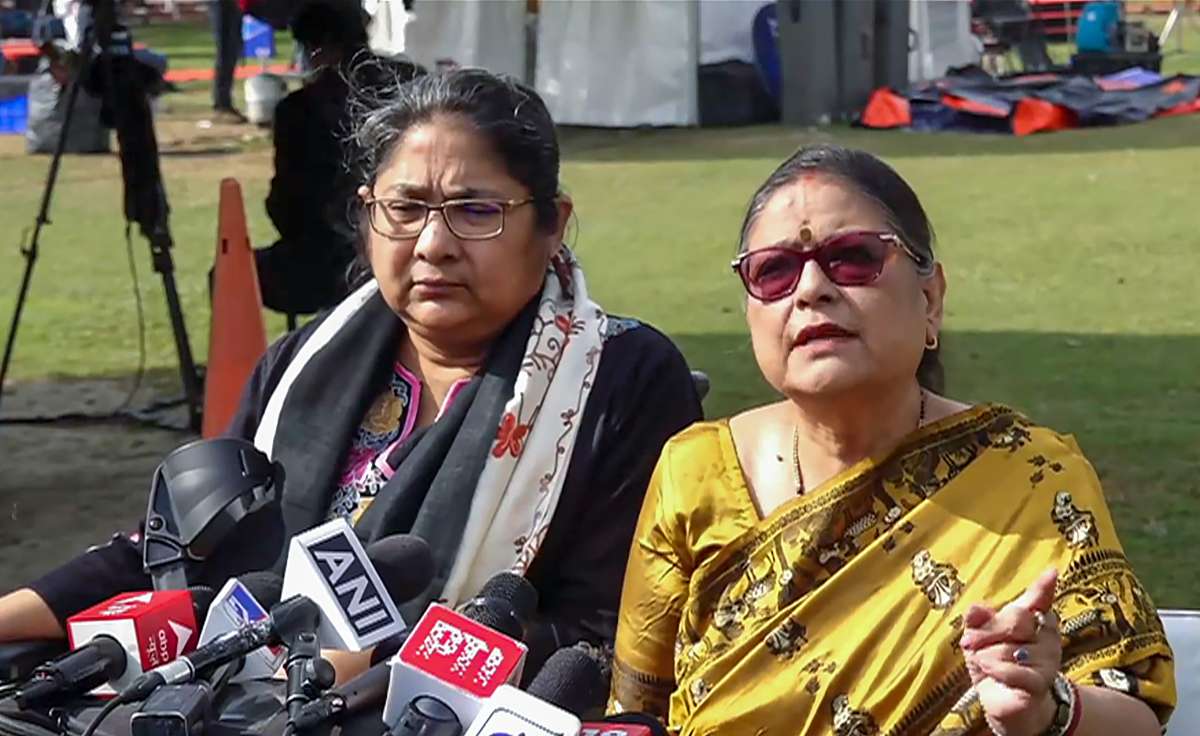
The rebellion accelerated after the party’s defeat in the 2026 West Bengal assembly elections, which brought the BJP’s Suvendu Adhikari to power as Chief Minister. The list of rebel signatories reads like a roll call of TMC’s celebrity candidates: former cricketer Yusuf Pathan from Baharampur, actress Saayoni Ghosh from Jadavpur, actress Rachna Banerjee from Hooghly, filmmaker Satabdi Roy from Birbhum, and actress June Malia from Medinipur. Bollywood actor Shatrughan Sinha was initially reported among the signatories but later denied involvement, pledging loyalty to Mamata and saying, “She stood by me when I was facing a tough time.”
In the Bengal assembly, the rebellion has progressed further. Fifty-eight of TMC’s eighty MLAs have broken away, a split that comfortably exceeds the two-thirds threshold and may prove more constitutionally defensible if they pursue a formal merger. The Lok Sabha rebellion, with its narrower margins and its refusal to merge, occupies far more uncertain legal territory.
Eleven rebel MPs met Union Minister Bhupender Yadav in New Delhi this week, with Chief Minister Adhikari also present. The meetings produced no merger announcement. The rebels continue to insist they are TMC legislators, not BJP members. This distinction is legally essential. The moment they formally join the BJP, they become defectors subject to disqualification unless they meet the merger threshold under the Tenth Schedule. As long as they claim to be the real TMC, they occupy a gray zone that the 91st Amendment was designed to eliminate but that the Shiv Sena precedent has, in practice, left open.
The Speaker’s decision carries weight beyond Bengal. If Birla recognizes the rebel faction as the real TMC, it validates a model in which legislators can split a parliamentary party without defecting to another one, a maneuver Parliament specifically prohibited. It would also hand the NDA a functional majority boost without the rebels having to cross the floor in a way that triggers constitutional penalties. Parliamentary convention requires the Speaker’s office to respond before the Monsoon Session begins. Whether Birla sends the matter to the Election Commission, decides himself, or finds procedural grounds to defer, the constitutional question will eventually reach the courts.
The anti-defection law was enacted in 1985 to end the era of “Aaya Ram, Gaya Ram” politics, the phrase coined in Haryana in 1967 when a legislator changed parties three times in a single day. The 91st Amendment tightened it further by closing the split loophole. What nineteen TMC MPs will test on Monday is whether a constitutional provision that everyone agrees exists on paper still has the power to prevent what it was written to prevent.
Related Posts