
JERUSALEM – The ink on Washington’s Iran deal was barely dry before Itamar Ben-Gvir made clear that, as far as Israel’s far-right flank is concerned, it might as well have been written in a language Israel does not speak.
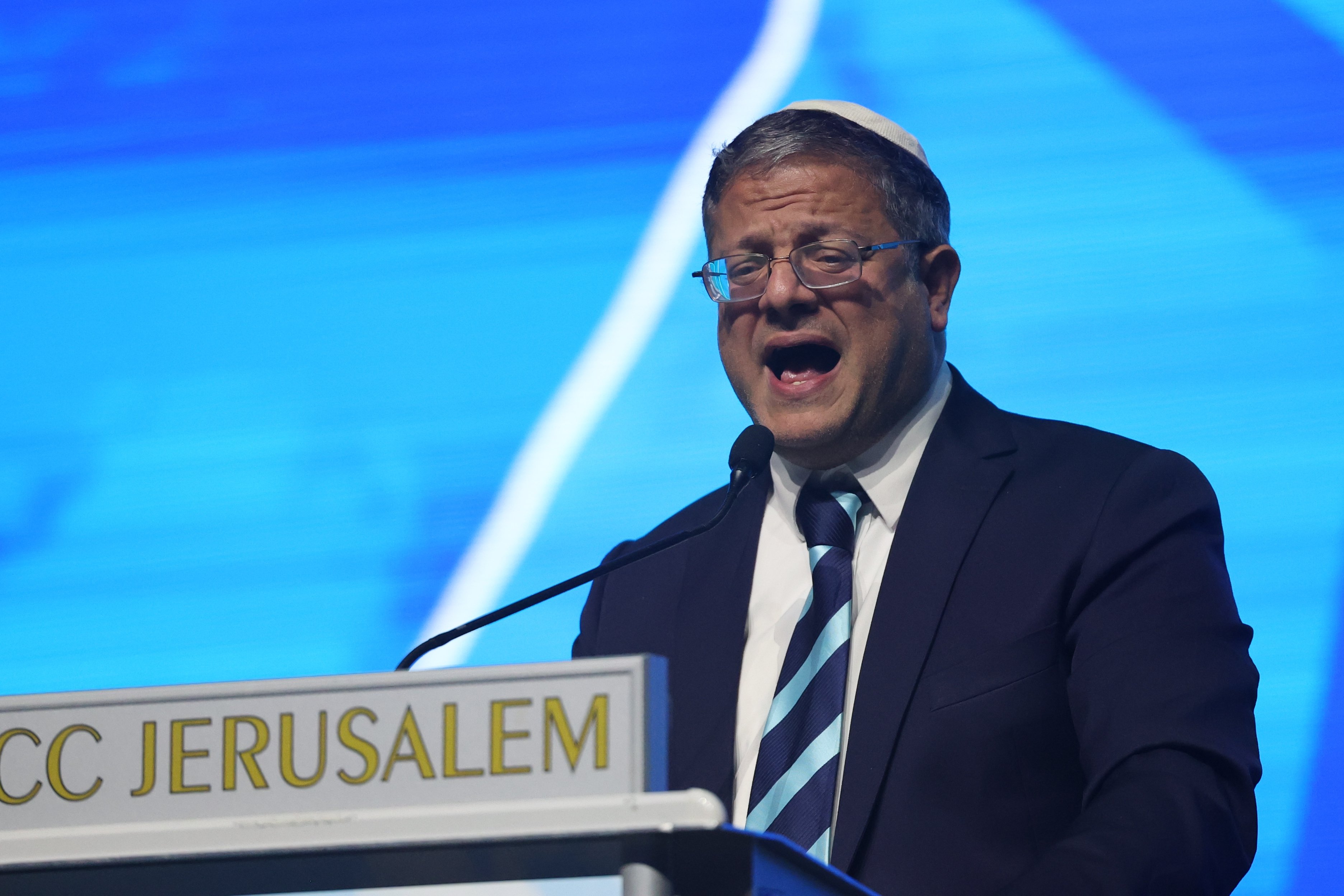
Israel’s National Security Minister posted a statement on Telegram on Monday morning declaring that the memorandum of understanding reached between the United States and Iran does not bind Israel in any respect, does not account for Israeli security, and will not alter the conduct of military operations in Lebanon. He was the first Israeli official to respond publicly to the deal confirmed Sunday by both US President Donald Trump and Iranian Deputy Foreign Minister Kazem Gharibabadi, which is set to be signed in Geneva on June 19.
“We are not parties to this agreement, which does not take our security into account in any way and does not oblige us in any respect,” Ben-Gvir wrote. “We should not accept anything less than the elimination of Hezbollah.”
What made the statement notable was not the defiance itself – Ben-Gvir has built a political career on refusals – but the historical argument underneath it. The minister did not frame his rejection as a disagreement over diplomatic language or technical details. He framed it as a lesson in blood, invoking the Oslo Accords, the 2006 Lebanon agreement, and years of “containment” in Gaza that he said exploded into disaster. Each time Israel yielded to international pressure, he argued, it paid a heavier price afterward. The Geneva signing on June 19, in his telling, is the next trap in a familiar sequence.
“Every time we yielded to international pressure at the expense of Israel’s security, we paid a bloody price with interest,” Ben-Gvir said. “We should not withdraw from the territories that our forces have captured and cleared of terrorist infrastructure.”
The statement carries domestic political weight that extends well beyond rhetoric. Ben-Gvir’s party, Otzma Yehudit, has previously threatened to collapse Netanyahu’s coalition over perceived concessions. His position on Monday aligned with Finance Minister Bezalel Smotrich, who has similarly rejected any arrangement requiring Israel to withdraw from Lebanese territory or accept Hezbollah’s continued armed presence near northern Israeli communities. Together, the two form the far-right anchor of Netanyahu’s governing majority – and the prime minister cannot survive politically without them.
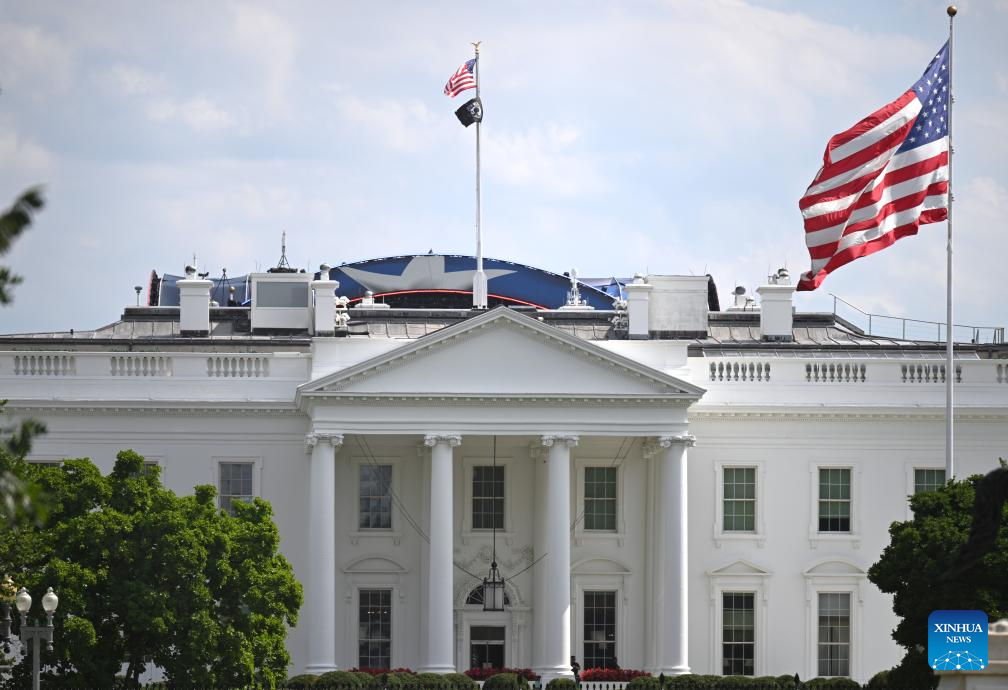
According to the Times of Israel, the memorandum is expected to halt the US blockade of Iran, reopen the Strait of Hormuz, and begin 60 days of talks on Tehran’s nuclear program. Iranian and Pakistani sources confirmed that the agreement explicitly incorporates the Lebanon front – a condition Israel has never accepted as applying to its own operations. Trump confirmed the deal Sunday and authorized an end to the US naval blockade of Iranian ports.
That Lebanon-inclusion clause is the document’s most consequential provision from Israel’s standpoint. Iran had insisted throughout negotiations that any durable arrangement with the United States must include a halt to Israeli operations against Hezbollah. Ben-Gvir’s statement Monday is, in effect, Israel’s far-right answer to that clause: the Geneva memorandum creates an obligation between Washington and Tehran, not one that reaches Israeli jets over southern Lebanon.
Israel has continued to strike targets in Lebanon throughout the existing ceasefire arrangement. Lebanese officials have documented what they describe as Israeli violations of sovereignty, arguing the strikes hinder stabilization in the south and undermine the fragile Lebanese-Israeli negotiations being brokered by Washington. The Israeli military has maintained those operations respond to continued Hezbollah attacks on northern Israeli communities and that Lebanon was never part of the US-Iran truce framework.
Ben-Gvir acknowledged Israel’s gratitude toward Trump – a rhetorical concession that let him reject the deal without appearing to repudiate the American president personally. “Israel is not a banana republic,” he added. The phrasing echoed the Netanyahu coalition’s long-standing argument that Washington’s backing of Israel implies endorsement of Israeli military decisions, not a veto over them. Arab News noted that Ben-Gvir’s was the first reaction from any Israeli official to the framework, a detail that may say as much about the Netanyahu government’s deliberate caution as about the minister’s willingness to sprint ahead of the prime minister on politically divisive questions.
What the statement does not address – and what remains genuinely unresolved – is whether Netanyahu himself will adopt the same position once the Geneva ceremony concludes and American pressure over Lebanon’s inclusion intensifies. Trump publicly rebuked Israel over strikes on Beirut last week, writing that the attack should not have happened during the final stages of peace talks. Eastern Herald has previously reported on Trump warning Netanyahu he could be left on his own if the rift over Lebanon deepened, and on Ben-Gvir and Smotrich’s threat to quit the coalition over the Geneva signing. Monday’s statement is the clearest articulation yet of the doctrine both ministers have been building toward: that Israel’s exception from American-brokered arrangements is not a diplomatic posture but a security imperative backed by decades of what they call costly concessions.
Lebanon’s President Joseph Aoun expressed hope that the US-Iran deal would put a definitive end to the Israel-Hezbollah war. That hope sits in direct tension with what Ben-Gvir said Monday morning, and with what Israeli aircraft have continued to do in southern Lebanon. The gap between Beirut’s expectations and Jerusalem’s declared intentions has not narrowed since the deal was announced. It has, if anything, been formalized.